


info@aelabgroup.com
QR Code 1
QR Code 2

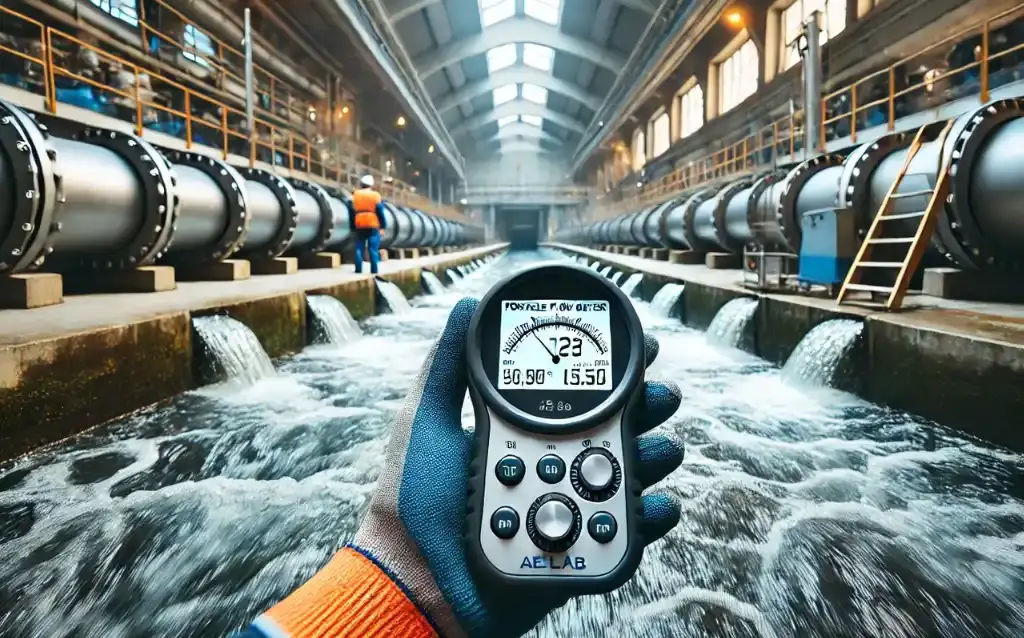
Portable Flow Meter FM-100V10: An Essential Tool for Accurate Wastewater Flow Measurement

Accurate wastewater flow measurement is essential for effective system management, regulatory compliance, and environmental protection. The FM-100V10 portable flow meter, with features such as high accuracy, portability, and remote monitoring capabilities, provides an ideal solution for measuring wastewater flow in challenging environments. This device helps optimize wastewater system performance while reducing operational costs and ensuring regulatory compliance.

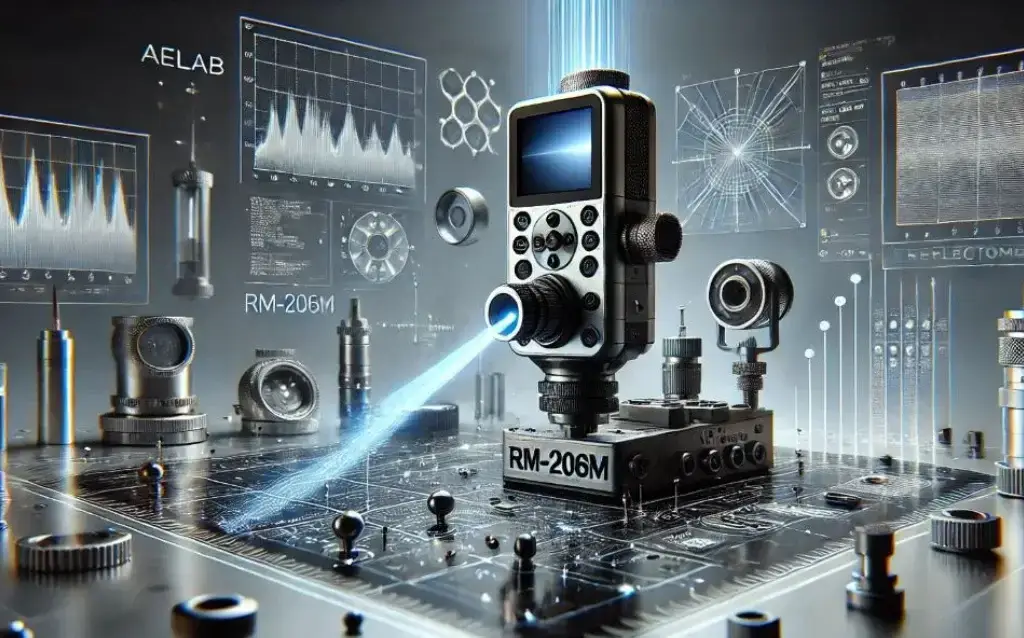
Photocell Technology in Reflectometry: The RM-206M and Its Applications

The article explores the RM-206M reflectometer, highlighting its use of photocell technology for precision surface quality analysis. With applications in industries like coatings, printing, and optics, it ensures compliance with global standards and operational efficiency. Suggestions for advancements, including AI integration and environmental resilience, emphasize its evolving role in industrial innovation.

Whiteness Measurement: Performance Analysis in Industry

Whiteness meters are essential tools for precise quality control in industries like textiles, paper, food, and construction. This article explores their role in measuring product whiteness, ensuring consistency, and meeting industry standards. Key advancements in technology, including portable and benchtop models, are highlighted alongside their diverse applications. The analysis provides insights into optimizing performance and selecting the best solutions for industrial and laboratory needs

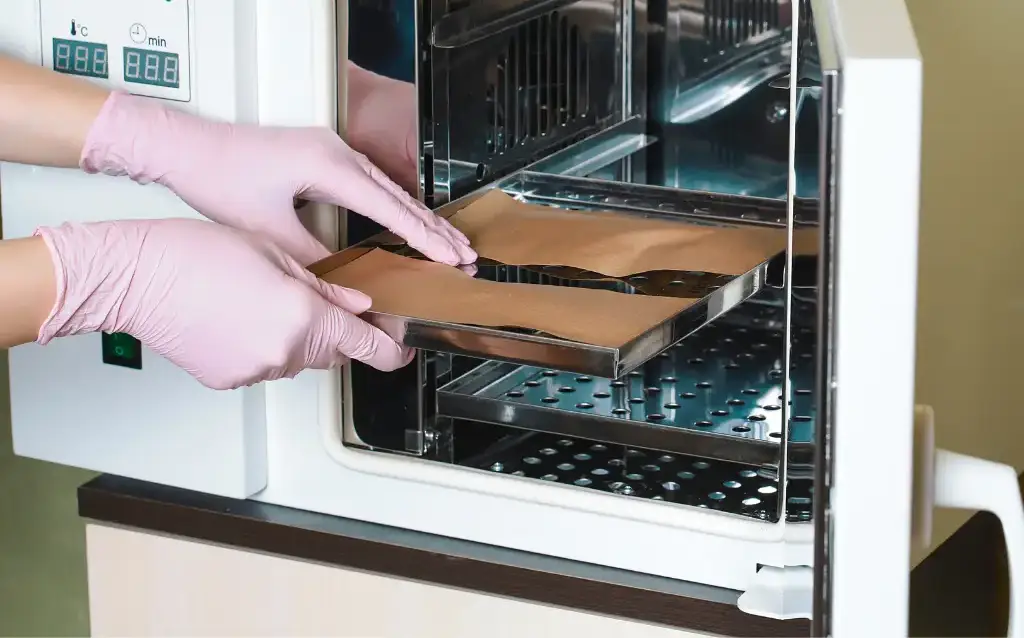
Effective Strategies for Steam Autoclave Monitoring

Steam autoclaves are essential for sterilization in medical, laboratory, and industrial settings. This article highlights key methods for monitoring autoclaves, including mechanical, chemical, and biological indicators, while addressing challenges like air removal and material compatibility. By adopting best practices and regular maintenance, facilities can ensure effective sterilization, enhanced safety, and compliance with global standards.

Viscometer: Principles and Applications in Laboratories

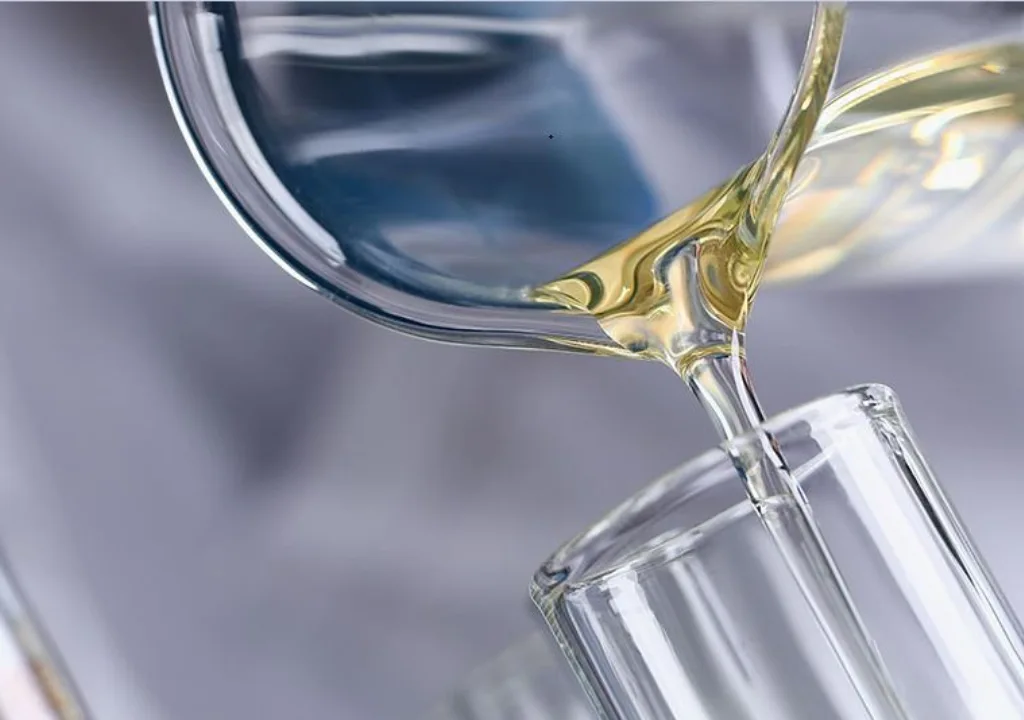
A viscometer is an essential tool for measuring the viscosity of fluids, a critical parameter in industries like pharmaceuticals, food, cosmetics, and petroleum. Understanding viscosity ensures product quality, consistency, and process efficiency. This article explores viscometer types, key applications, and practical guidance for selecting the right device to achieve accurate and reliable results in laboratory and industrial settings.

Distillation Apparatus: Performance and Applications

Distillation apparatus are essential tools in laboratory environments for purifying and separating liquid mixtures based on differences in boiling points. Common types include simple, fractional, vacuum, and short path distillation systems, each suited for specific applications. These apparatuses play a crucial role in chemical purification, water distillation, and the pharmaceutical industry. Advancements in distillation technology ensure more precise control over temperature and pressure, improving the accuracy and reliability of laboratory processes.

Application of Handheld XRF Technology in Accurate Gold Analysis

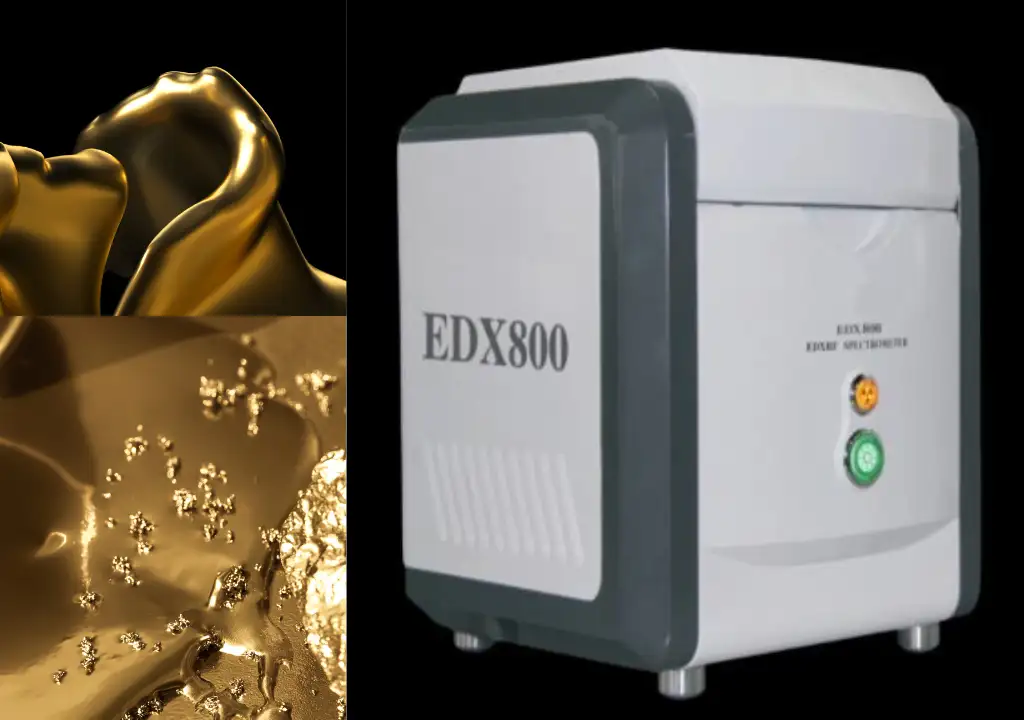
Handheld XRF technology provides accurate, on-site gold analysis, making it an ideal solution for jewelry stores, gold mining sites, and refining facilities. These portable devices deliver fast, reliable results for complex alloys and refining by-products. With easy operation and real-time data, handheld XRF is a trusted tool for professionals seeking efficient gold content analysis

Freeze Drying(lyophilization): A Scientific Overview and Practical Insights

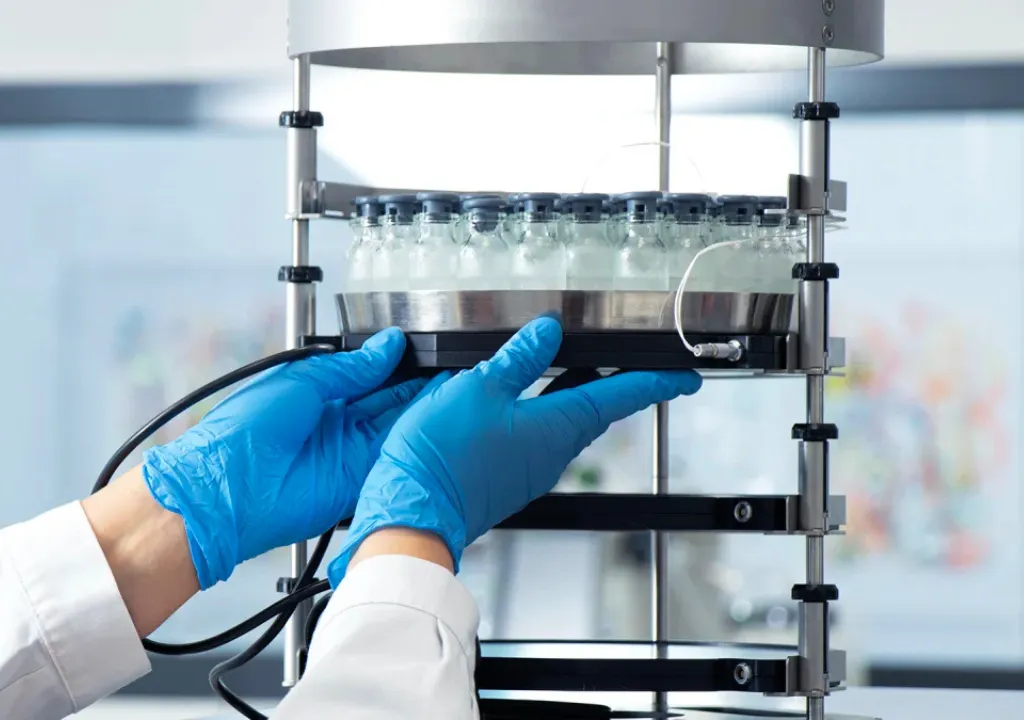
Freeze drying (lyophilization) is a method used to preserve materials by removing moisture under vacuum. It retains the structure, nutrients, and potency of sensitive substances, making it ideal for food, pharmaceuticals, and biotechnology. This article covers the process, challenges, and best equipment for effective freeze drying.

Spectrophotometers vs. Fluorometers: Key Differences & Applications

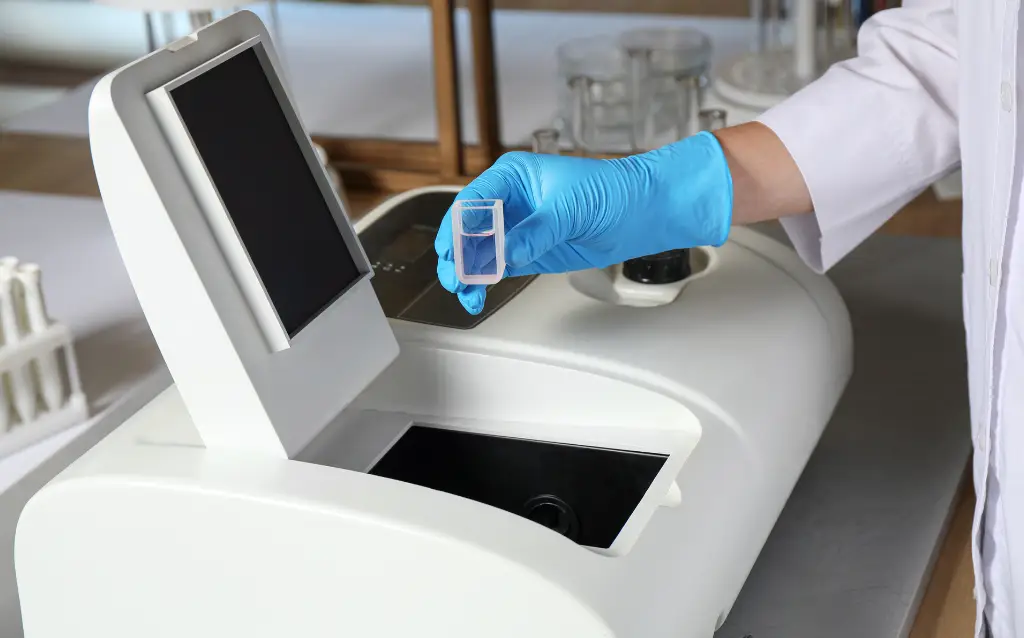
Spectrophotometers and fluorometers are vital tools in analytical science, each with distinct functions. Spectrophotometers measure light absorption, making them ideal for general sample analysis, while fluorometers detect emitted fluorescence, offering high sensitivity for detecting trace compounds. Understanding their differences enables researchers to select the right instrument for accurate and efficient data collection in scientific and environmental applications.

Vortex Mixers vs. Centrifuges: A Comprehensive Guide to Enhanced Lab Efficiency

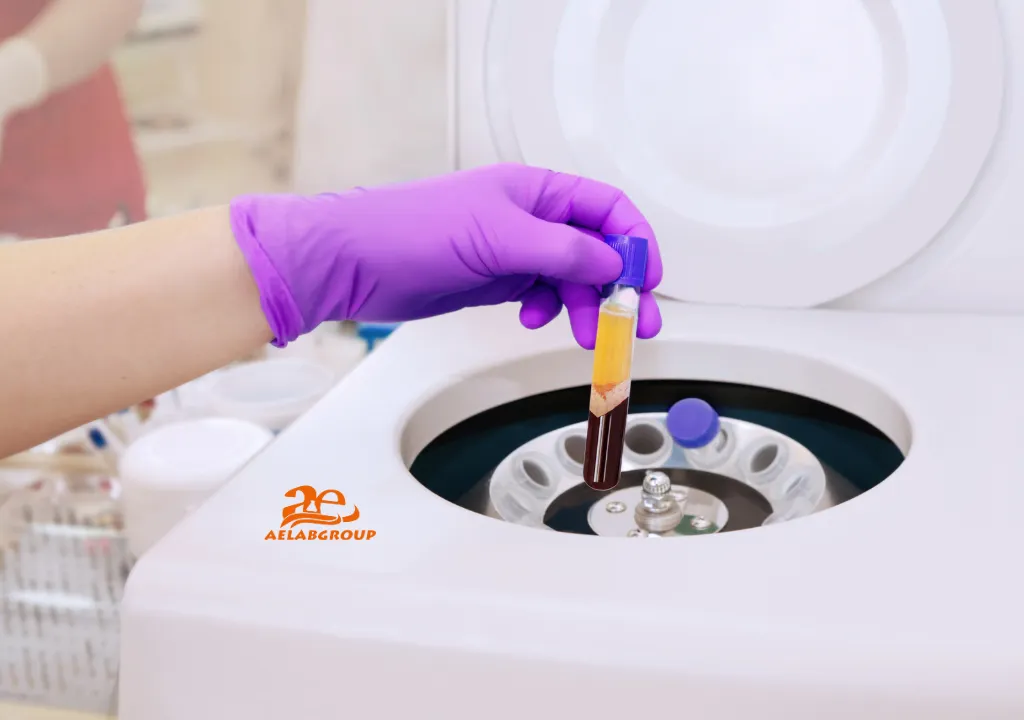
A comprehensive guide to vortex mixers and centrifuges provides insights into their functions, applications, and essential features. This guide helps laboratories select the right tools for optimal sample preparation and efficient workflows. Discover key considerations to enhance laboratory efficiency with these critical devices.

Comparative Analysis of Detection Sensitivity in Heavy Metals: ICP-MS vs. ICP-OES

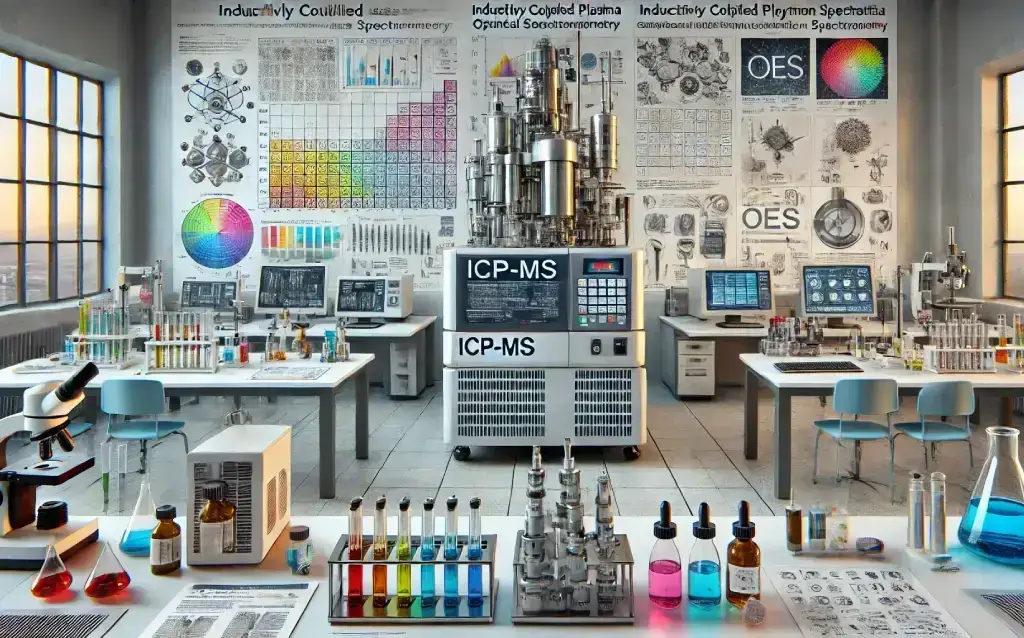
This article presents a detailed comparison of ICP-MS and ICP-OES techniques for heavy metal detection. It examines detection sensitivity, analytical interferences, sample throughput, and maintenance requirements, outlining the advantages and limitations of each in various applications. This analysis helps select the best method for specific laboratory and industrial needs.

UV-VIS Spectrophotometry for Food Additive Measurement

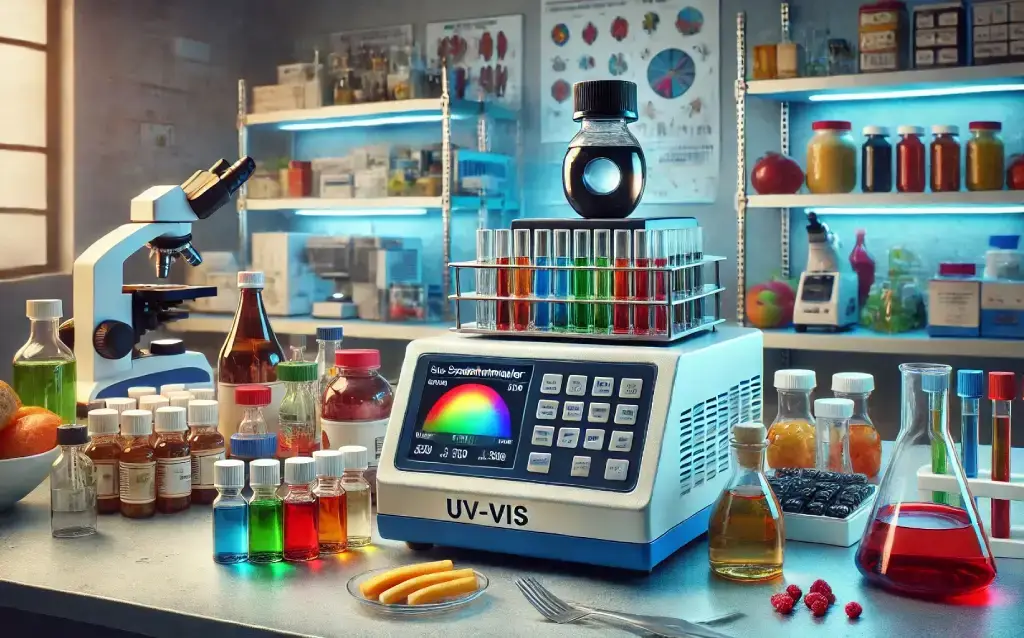
UV-VIS spectrophotometry plays a crucial role in food analysis, allowing precise measurement of additives, preservatives, and contaminants for food safety compliance. This efficient method provides cost-effective testing of nutrients, color stability, and heavy metals in food products. Advanced spectrophotometers enable manufacturers to uphold quality control, ensure consumer safety, and adhere to strict industry standards.