


info@aelabgroup.com
QR Code 1
QR Code 2
How Does HPLC Work? AELAB

How Does HPLC Work?

High-Performance Liquid Chromatography (HPLC) is a powerful analytical technique used to separate, identify, and quantify

what is the difference between RPM and RCF in Centrifuges

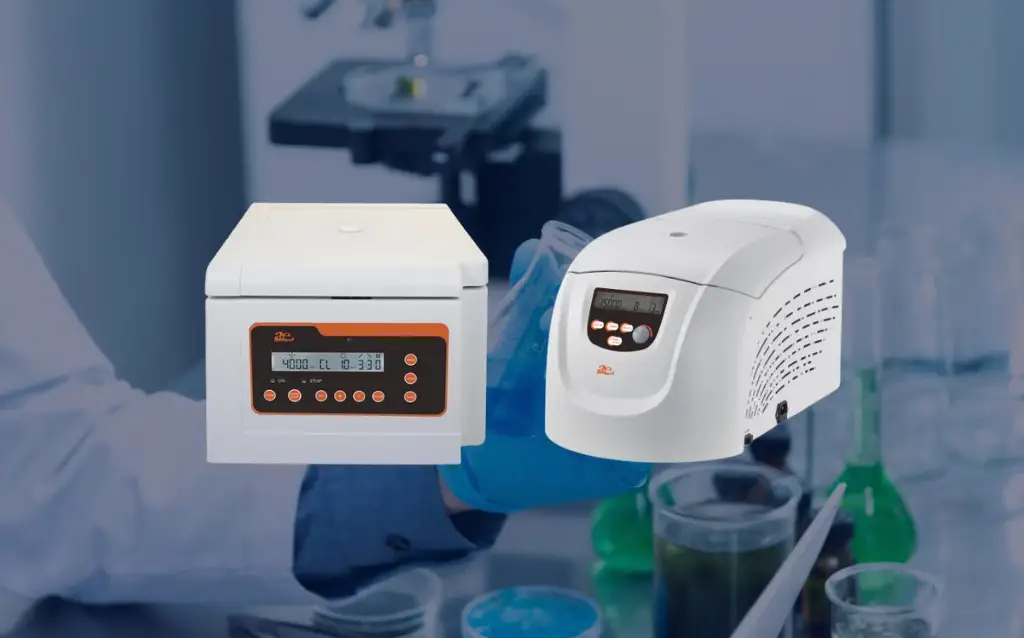
RPM (Revolutions Per Minute) measures the speed at which a centrifuge's rotor spins, while RCF (Relative Centrifugal Force) measures the actual force applied to the sample during centrifugation. RCF is more critical for determining the effectiveness of particle separation, as it accounts for both the rotor speed and its radius. Understanding both helps in selecting the right centrifuge for specific applications.

How to choose a suitable centrifuge?

o choose a suitable centrifuge, consider the required RCF for your application, the type of samples, and the volume capacity. Ensure the centrifuge offers the right rotor options and speed settings to meet your specific needs.

what is a pipette

A pipette is a laboratory tool used to measure and transfer small volumes of liquid accurately. It consists of a slender tube with a bulb or mechanism for drawing up and dispensing liquids. Pipettes are essential in various scientific fields, including chemistry, biology, and medicine, for tasks requiring precise liquid handling.

Comparison of Electronic Pipettes and Manual Pipettes

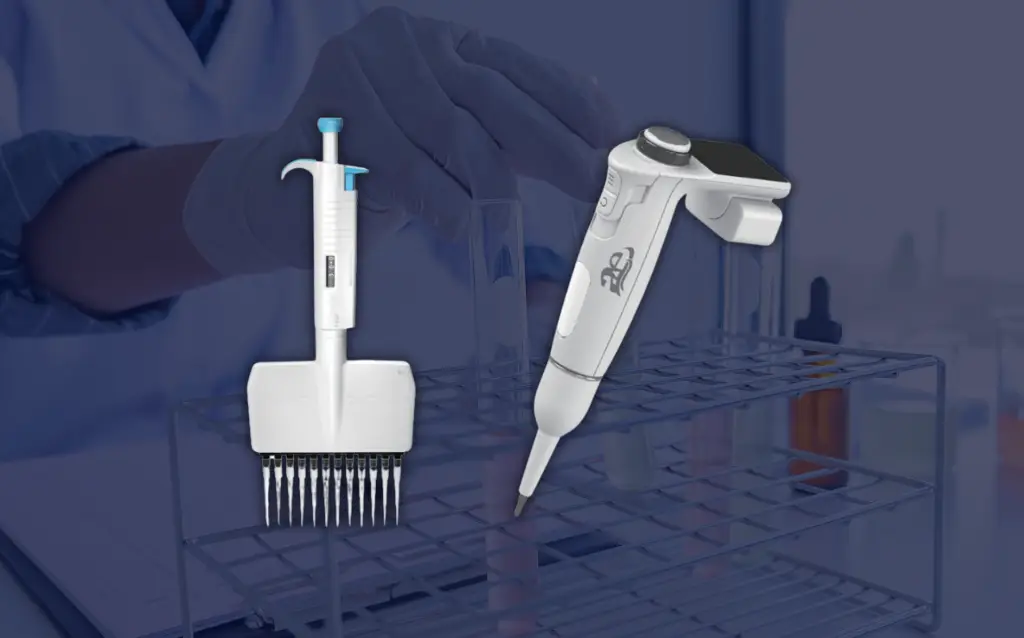
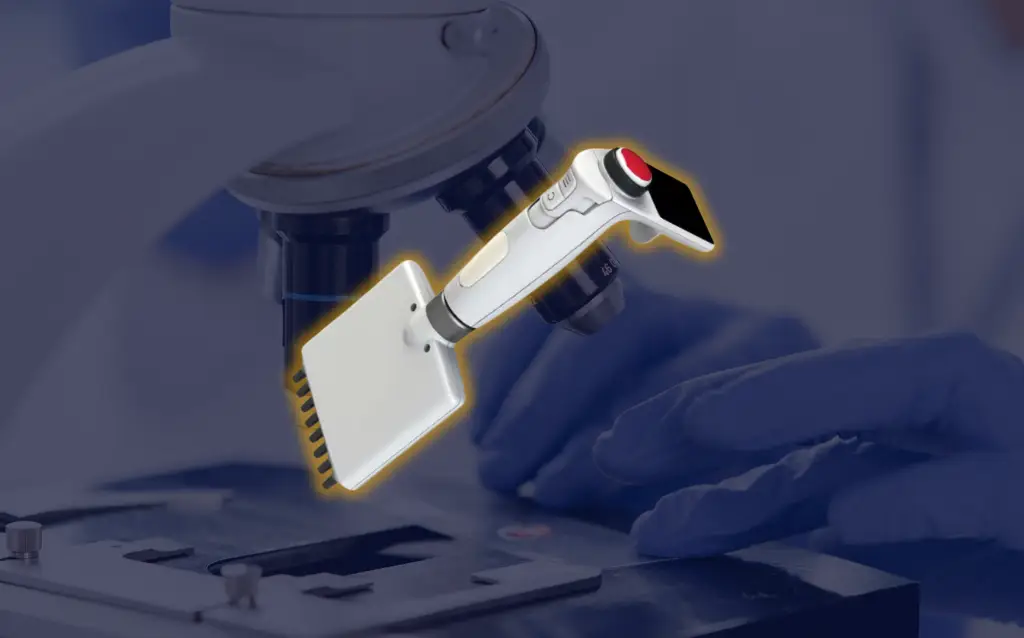
Manual pipettes are simple, reliable, and affordable, suitable for routine tasks but physically demanding. Electronic pipettes offer superior precision, ease of use, and programmable settings, reducing human error and physical strain. They are ideal for complex applications despite a higher initial cost. Choose based on your lab's needs for accuracy and task complexity.

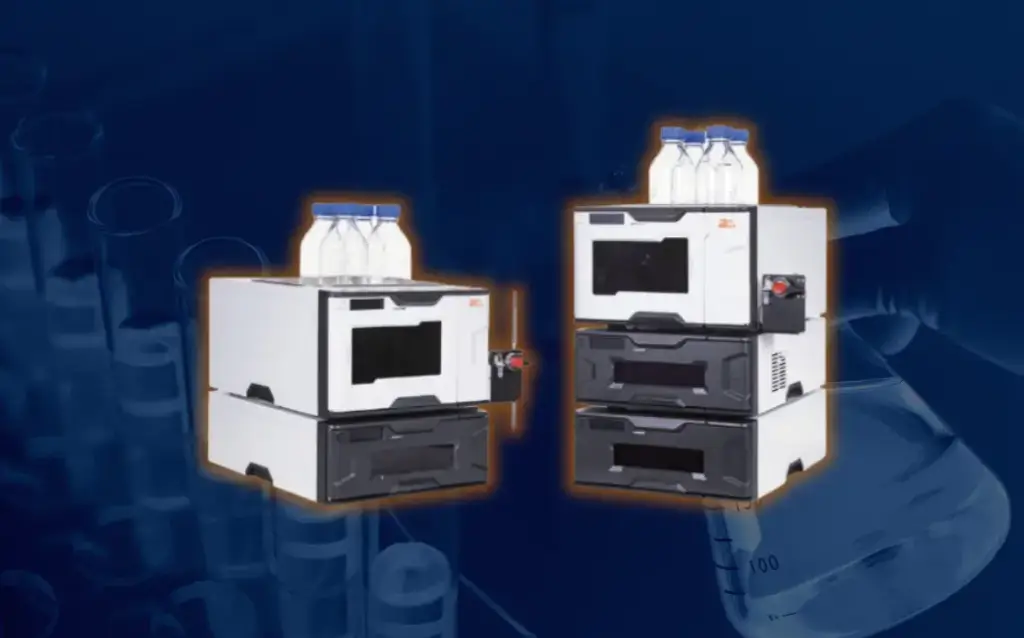
How Does HPLC Work?

High-Performance Liquid Chromatography (HPLC) is a powerful analytical technique used to separate, identify, and quantify components in a mixture. It involves passing a liquid sample through a high-pressure column filled with solid adsorbent material. Different interactions between the sample components and the adsorbent cause the components to separate as they move through the column. The separated components are then detected and quantified. HPLC is essential in pharmaceuticals, environmental science, and food safety due to its precision and versatility.

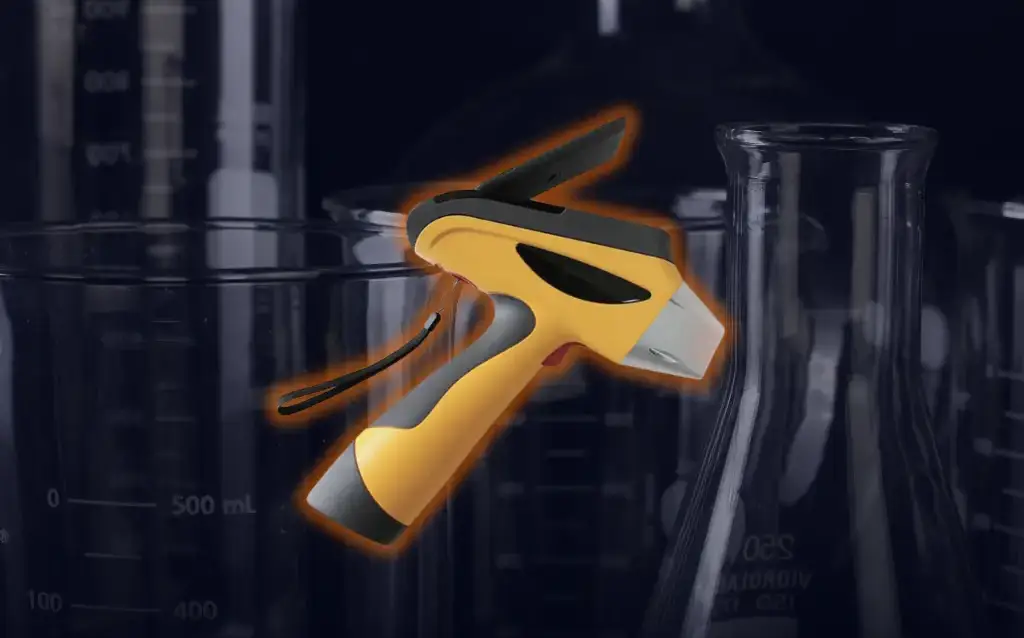
X-Ray Fluorescence (XRF) Analysis: How It Works and Its Applications

X-ray fluorescence (XRF) is an analytical technique used to determine the elemental composition of materials. When exposed to high-energy X-rays, materials emit secondary X-rays unique to each element. These emissions are detected and analyzed to identify and quantify the elements present. XRF is non-destructive, rapid, and versatile, making it useful in various industries such as environmental analysis, archaeology, mining, and quality control.

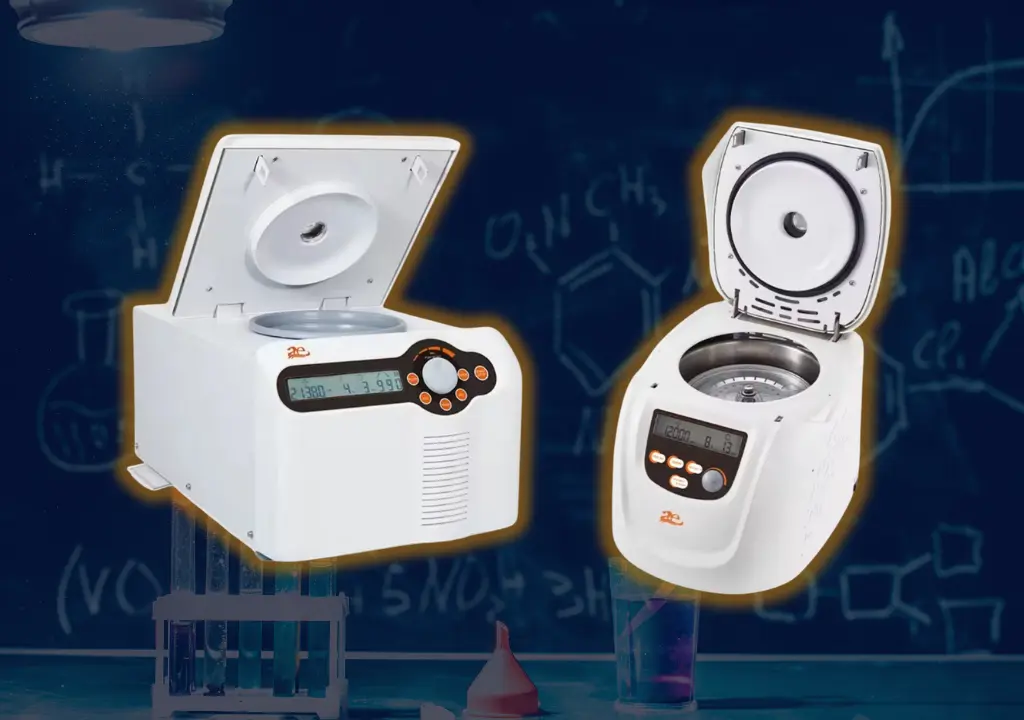
Low-Speed Centrifuges VS High-Speed Centrifuges

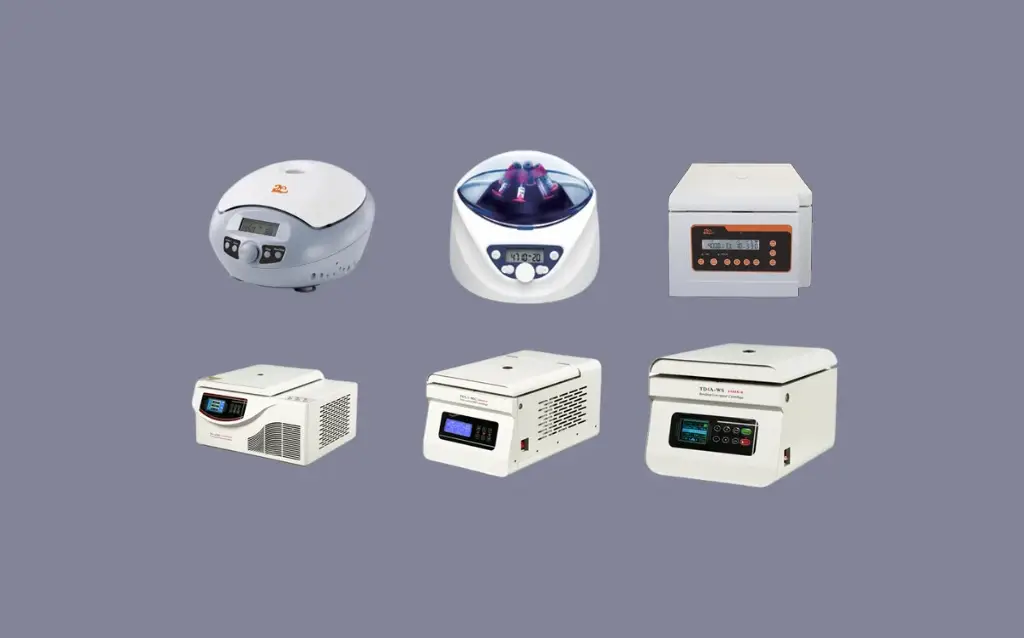
the differences between low-speed and high-speed centrifuges, focusing on their applications, capacities, costs, and operational requirements. Low-speed centrifuges are ideal for routine tasks and larger volumes, while high-speed centrifuges are essential for precise, specialized applications with smaller volumes. Choosing the right centrifuge depends on laboratory needs, budget, and user expertise.

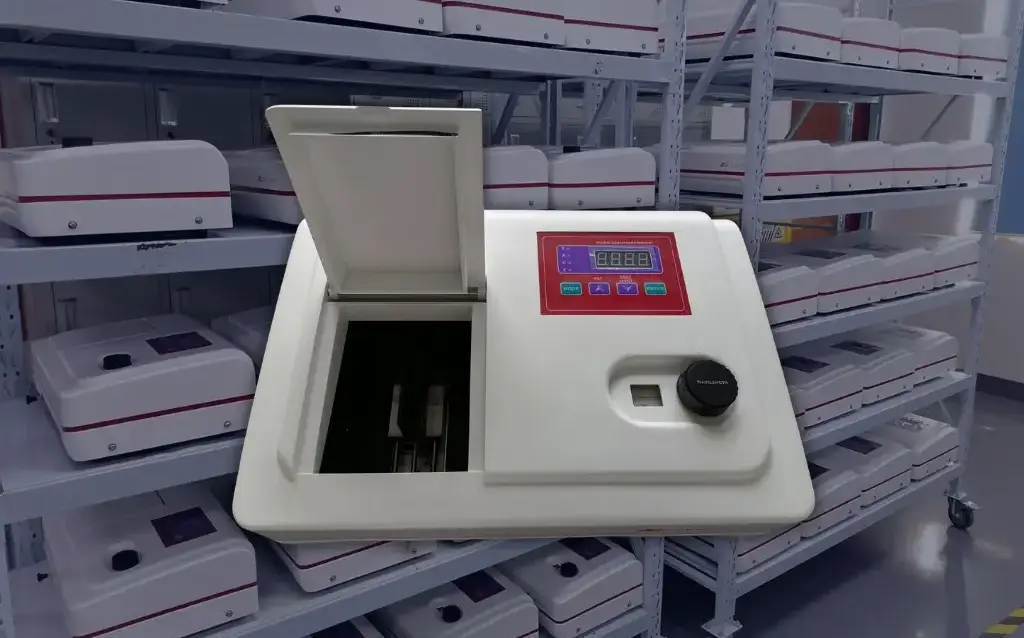
UV-VIS Spectrophotometry: Principles, Methods, and Applications in Quality Assurance

UV-VIS spectrophotometry measures the absorption of UV and visible light by a sample to determine its concentration and purity. It is quick, accurate, and non-destructive, making it widely used in chemistry, biology, and industry.

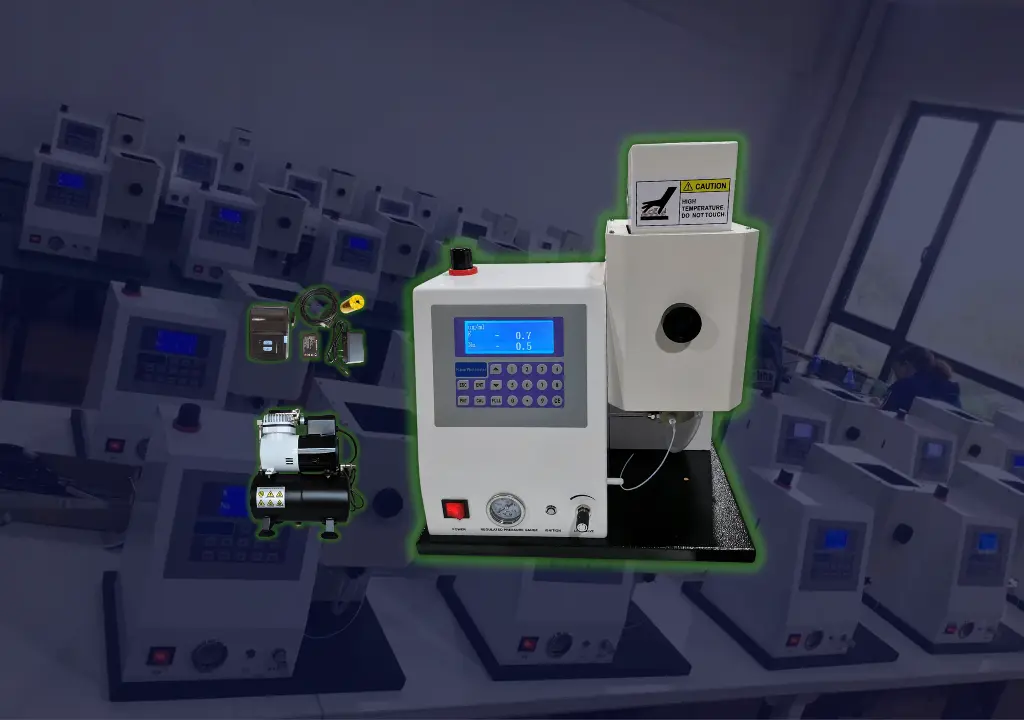
What is Flame Photometer ?

A Flame Photometer is a specialized instrument used in analytical chemistry to measure the concentration of certain metal ions in a solution. It operates based on the principle of emission spectroscopy, specifically flame emission spectroscopy.

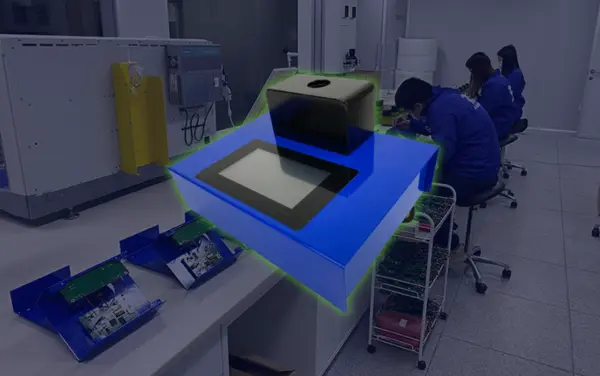
What is a Melting Point Device?

Melting point devices are used in a variety of fields, including chemistry, materials science, and pharmacology, to determine the purity and identity of a substance