









info@aelabgroup.com
QR Code 1
QR Code 2

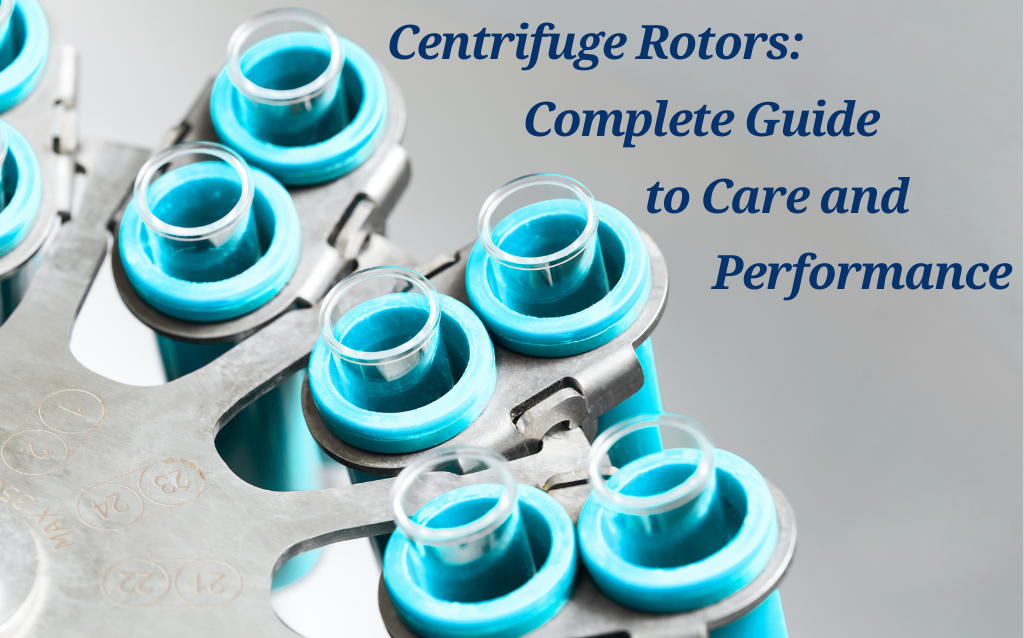
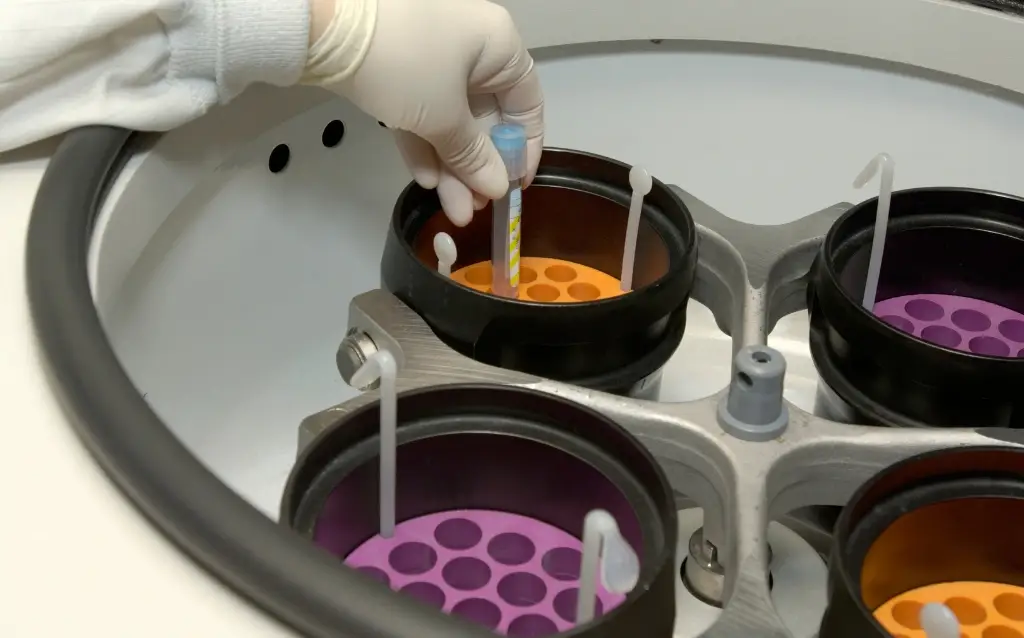
Centrifuge Rotors: Complete Guide to Care and Performance

Learn everything about centrifuge rotors, including their types, common failures, and expert maintenance tips. Proper care of centrifuge rotors ensures safe lab operation, extended lifespan, and reliable performance. Discover how to prevent rotor issues and maximize efficiency in your laboratory.

Key Factors Influencing Centrifuge Efficiency: A Practical Guide

Boosting Centrifuge Efficiency requires more than just high speed—it depends on key factors like rotor design, balance, temperature, and sample properties. Discover practical strategies to optimize performance, protect samples, and extend equipment lifespan with AELAB solutions.

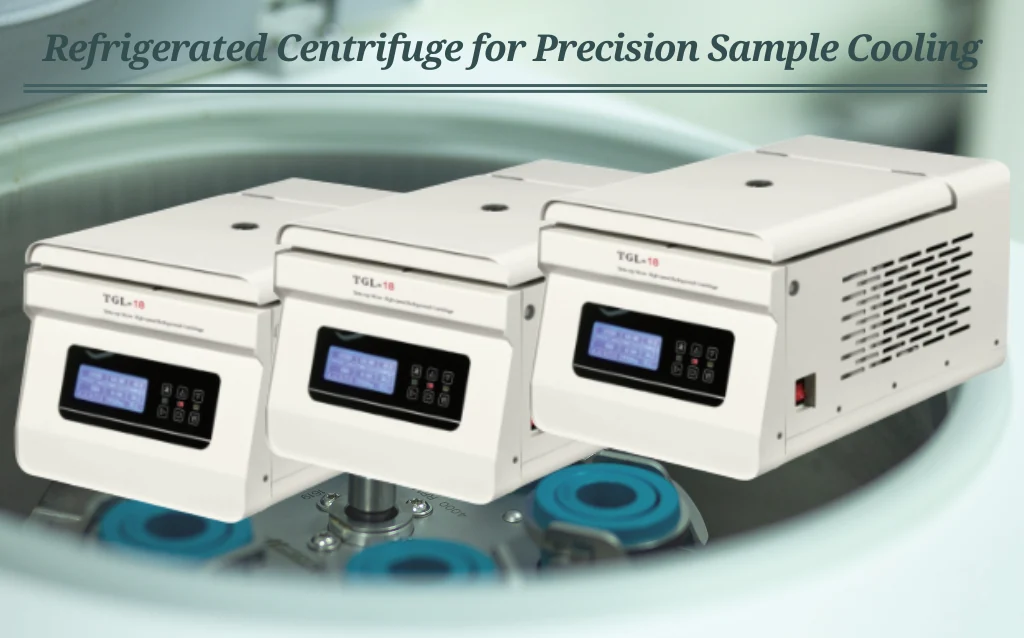
Refrigerated Centrifuge for Precision Sample Cooling

Refrigerated centrifuge provides precise, temperature-controlled separation, preserving sensitive samples for consistent and reliable lab results.

10-Step Guide to Centrifuge Calibration for Accurate Lab Results

"Master Centrifuge Calibration in 10 simple steps to ensure accurate lab results, regulatory compliance, and longer equipment life. This essential guide covers RPM, timer, and temperature checks for safe and consistent laboratory performance."

Top 10 Common Centrifuge Problems and Troubleshooting Tips

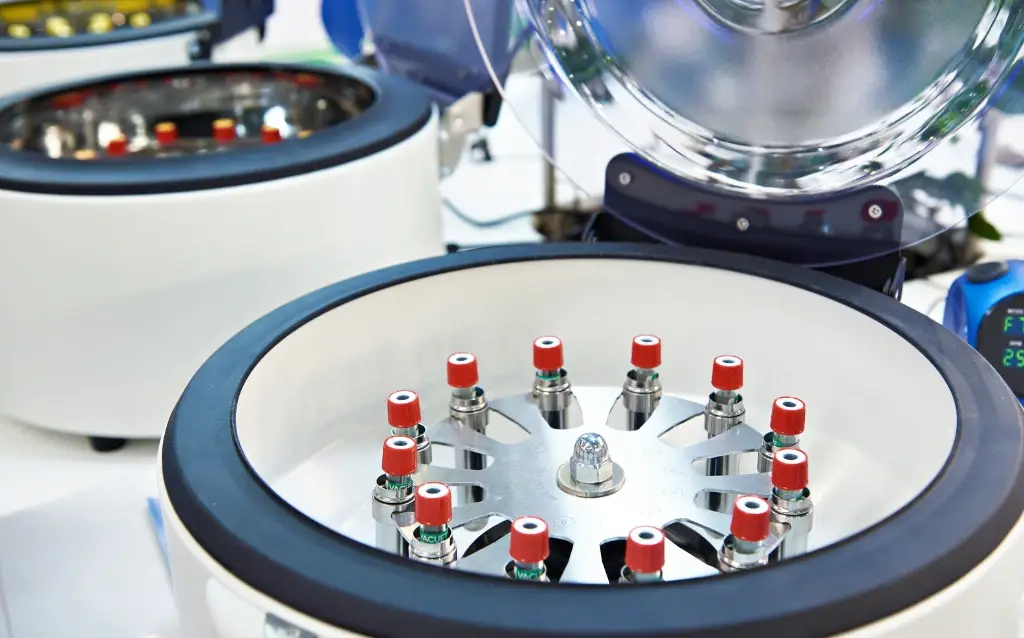
Laboratory centrifuges are essential yet sensitive instruments used in various scientific and medical fields. This guide explores the most common problems these devices face and provides practical troubleshooting and maintenance strategies to ensure optimal performance and longevity.

Understanding Centrifugal Force and Centrifuge Machines: Applications, Benefits, and Key Differences

Centrifugal force is crucial in laboratory and industrial centrifuge machines for efficient separation of substances based on density. These machines, used in medical, scientific, and industrial applications, offer precise control, quiet operation, and customizable settings. Understanding how centrifugal force powers these machines helps optimize their use in diverse fields like blood analysis, PCR, and waste treatment.

Centrifuge Safety: Key Practices for Risk Prevention

Centrifuge safety is critical to preventing rotor failure, mechanical hazards, and biohazard exposure. Improper use can lead to vibration, imbalance, and aerosol release. Safe centrifuge operation requires proper maintenance, balanced rotors, and regular inspections. Preventive maintenance reduces risks and extends equipment lifespan. In case of spills or malfunctions, a quick emergency response minimizes danger. Following best practices in centrifuge risk management ensures safety in laboratories and industrial settings.

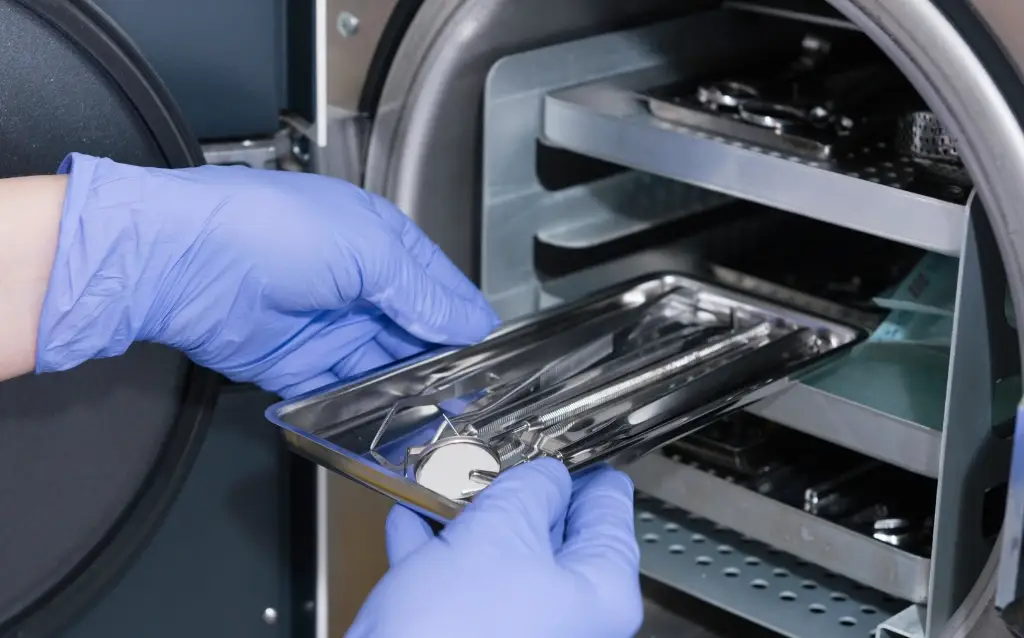
What is an Autoclave?

Autoclaves are essential devices used for sterilization in medical, laboratory, and industrial environments. They use high-pressure steam to kill microorganisms on instruments and materials. Proper monitoring through chemical indicators and biological testing ensures the effectiveness of each sterilization cycle. Regular maintenance and monitoring are key to maintaining safety and reliability in sterilization processes.

Benchtop High-Speed Refrigerated Centrifuge Maintenance Tips

Proper maintenance of a benchtop high-speed refrigerated centrifuge is crucial for optimal performance. These devices are used in laboratories to separate samples using centrifugal force and refrigeration to maintain temperature-sensitive materials. By performing daily, weekly, monthly, and annual maintenance tasks, one can extend the centrifuge’s lifespan and ensure accurate experimental results. This article explores the best practices for maintaining, repairing, and properly using a refrigerated centrifuge.

Vortex Mixers vs. Centrifuges: A Comprehensive Guide to Enhanced Lab Efficiency

A comprehensive guide to vortex mixers and centrifuges provides insights into their functions, applications, and essential features. This guide helps laboratories select the right tools for optimal sample preparation and efficient workflows. Discover key considerations to enhance laboratory efficiency with these critical devices.

what is the difference between RPM and RCF in Centrifuges

RPM (Revolutions Per Minute) measures the speed at which a centrifuge's rotor spins, while RCF (Relative Centrifugal Force) measures the actual force applied to the sample during centrifugation. RCF is more critical for determining the effectiveness of particle separation, as it accounts for both the rotor speed and its radius. Understanding both helps in selecting the right centrifuge for specific applications.

How to choose a suitable centrifuge?

o choose a suitable centrifuge, consider the required RCF for your application, the type of samples, and the volume capacity. Ensure the centrifuge offers the right rotor options and speed settings to meet your specific needs.