

Centrifuge Safety: Best Practices for Risk Prevention
Abstract
Centrifuge safety is critical for laboratories and industrial applications to prevent rotor failure, mechanical hazards, and aerosol exposure. Improper use, lack of routine maintenance, and operational mistakes can lead to serious accidents and contamination risks. This guide provides a comprehensive centrifuge safety checklist, covering risk management, preventive maintenance, best practices, and emergency response. Adhering to safety protocols for centrifuge operation ensures equipment longevity and user protection.

1. Introduction
Ensuring centrifuge safety is essential for safe laboratory and industrial operations. High-speed centrifuges generate strong centrifugal forces, and improper handling can result in mechanical damage, hazardous aerosol exposure, and equipment failure. Following best practices in risk management and maintenance helps prevent accidents and ensures compliance with safety standards.
1.1 Why is Centrifuge Safety Important?
- Prevents accidents from rotor imbalance and failure.
- Reduces exposure to hazardous biological and chemical aerosols.
- Extends centrifuge lifespan with proper maintenance.
2. Common Centrifuge Hazards
2.1 Mechanical Failures in Centrifuge Operation
- Unbalanced loads cause excessive vibration and structural damage.
- Metal fatigue and rotor stress can result in catastrophic failure.
- Improperly sealed centrifuge lids may cause sudden detachment.
2.2 Aerosol Generation and Exposure Risks
- Breakage of centrifuge tubes releases hazardous aerosols.
- Leaks inside centrifuge chambers contaminate surfaces.
- Not using safety buckets or sealed rotors increases airborne risks.
2.3 Chemical and Biological Hazards in Centrifuge Use
- Centrifuging volatile chemicals without containment leads to inhalation risks.
- Pathogens in biological samples can spread via aerosols, causing laboratory-acquired infections.
3. Centrifuge Safety Checklist: Preventive Maintenance and Inspection
3.1 Routine Inspections for Safe Centrifuge Use
- Check safety caps and lids for proper sealing.
- Inspect rotors for cracks, corrosion, or damage.
- Ensure tubes are rated for high-speed operation.
3.2 Scheduled Maintenance for Centrifuge Longevity
- Clean the chamber regularly using disinfectants.
- Lubricate moving parts per manufacturer guidelines.
- Maintain a logbook to track maintenance history.
4. Safe Centrifuge Operation: Best Practices
4.1 Pre-Operation Safety Checks
- Ensure the centrifuge is placed on a level surface.
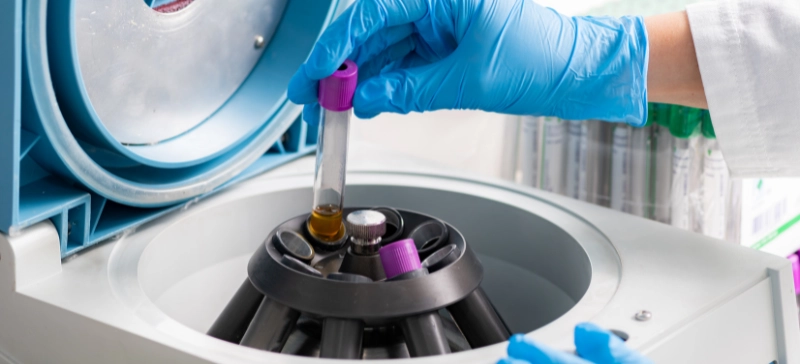
- Balance all tubes correctly to avoid excessive vibration.
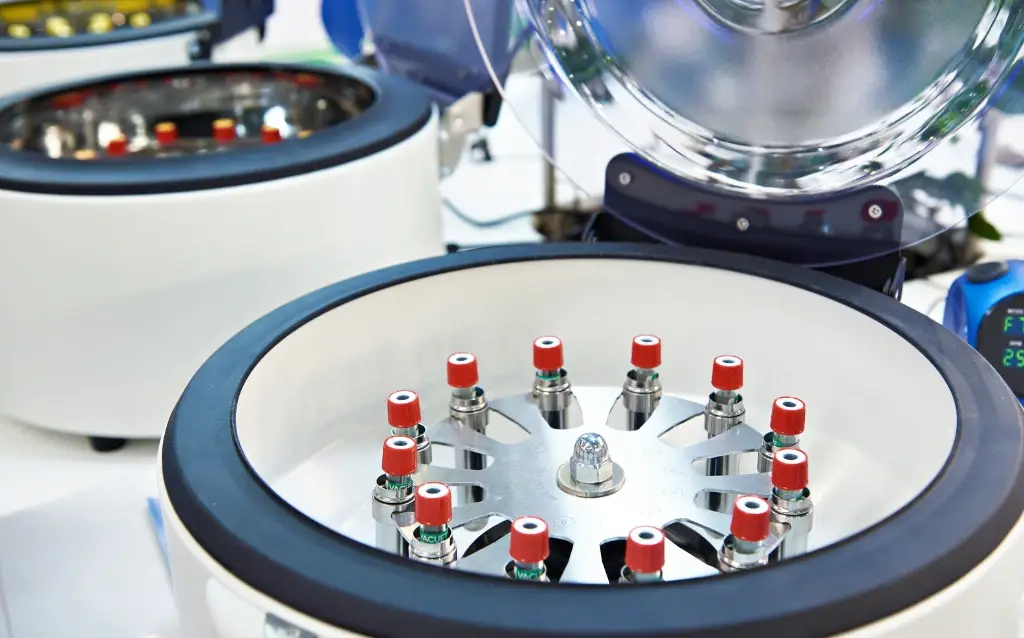
- Confirm the rotor is securely attached before starting the cycle.
4.2 Safety Guidelines During Centrifuge Operation
- Keep the lid closed at all times.
- Monitor for unusual noise or shaking during operation.
- Stop the machine immediately if irregularities occur.
4.3 Post-Operation Procedures
- Wait for the rotor to stop completely before opening.
- Inspect for spills or leaks and clean contaminated surfaces.
- Dispose of hazardous waste following laboratory protocols.
5. Emergency Response and Incident Management
5.1 Handling Rotor Failures
- Turn off and unplug the centrifuge immediately.
- Evacuate the area and secure the workspace.
- Allow at least 30 minutes for aerosols to settle before opening.
5.2 Contaminant Spill Response
- Wear personal protective equipment (PPE) before handling spills.
- Use 10% bleach solution to decontaminate surfaces.
- Dispose of contaminated materials safely following biosafety regulations.
6. Frequently Asked Questions About Centrifuge Safety
6.1 How to Operate a Centrifuge Safely?
- Follow manufacturer guidelines and safety protocols.
- Ensure proper balancing and secure attachment of rotors.
- Regularly inspect and maintain the device to prevent failures.
6.2 What Are the Safety Procedures When Using This Equipment?
- Use sealed safety buckets and proper protective gear.
- Work inside a biosafety cabinet when handling biohazardous samples.
- Avoid overfilling tubes to prevent spills.
6.3 What Are the Safety Hazards of Using This Machine?
- Rotor imbalance leading to machine failure.
- Aerosol exposure from hazardous materials.
- Chemical spills and hazardous reactions inside tubes.
6.4 When Using It, What Safety Precautions Should Be Followed?
- Inspect all parts before and after each run.
- Use safety caps and proper PPE.
- Clean regularly to prevent contamination.


7. Conclusion
Ensuring centrifuge safety requires strict adherence to operational protocols, routine maintenance, and emergency preparedness. By following a centrifuge safety checklist, laboratories and industrial facilities can prevent rotor failures, avoid biohazard exposure, and improve equipment longevity. Implementing these best practices for centrifuge operation reduces risks and enhances safety in professional settings.