

Introduction
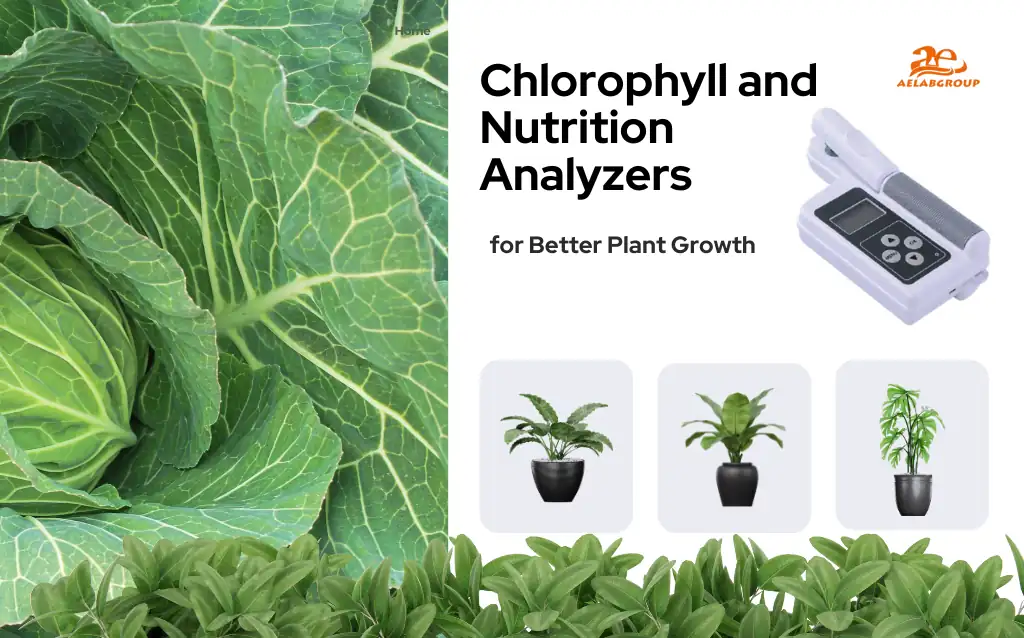
In the world of modern agriculture, ensuring plant health and optimizing crop yields are paramount. Chlorophyll and Nutrition Analyzers are among the most effective tools for for achieving this . This advanced technology helps farmers and researchers monitor plant health by providing real-time insights into chlorophyll content and essential nutrient levels. By using chlorophyll and nutrition analyzers, growers can detect deficiencies early, optimize fertilization practices, and ultimately improve plant growth and productivity. This guide will explore how these analyzers work, their benefits, and how they can be used to achieve healthier crops.

What Are Chlorophyll and Nutrition Analyzers?
Chlorophyll and nutrition analyzers are sophisticated devices designed to assess the health of plants by measuring the chlorophyll content and various essential nutrients such as nitrogen, phosphorus, potassium, and micronutrients. These analyzers offer non-destructive, accurate, and real-time data, helping farmers understand the nutritional status of their crops and take action when necessary.
With the help of these analyzers, you can:
Quickly identify nutrient deficiencies
Monitor chlorophyll levels to evaluate plant health
Adjust fertilization and irrigation strategies for optimal growth
Reduce unnecessary resource usage and minimize environmental impact
Why Chlorophyll Monitoring Matters
Chlorophyll plays a vital role in the photosynthesis process, where plants absorb light and convert it into energy. The level of chlorophyll in a plant serves as a strong indicator of its health. Low chlorophyll levels often signal nutrient deficiencies, stress, or disease, which can negatively affect plant growth and productivity.
Using chlorophyll and nutrition analyzers, farmers can monitor chlorophyll content regularly to detect early signs of plant stress. By addressing these issues early, growers can ensure healthier plants, better yields, and more efficient use of resources.
The Importance of Nutrition Monitoring with Analyzers
The health of a plant is closely tied to its nutrient intake. Plants require essential macronutrients like nitrogen, phosphorus, and potassium, as well as micronutrients such as iron and manganese, to grow optimally. However, nutrient deficiencies or imbalances can occur without visible symptoms, making it difficult to assess plant health through traditional methods.
This is where chlorophyll and nutrition analyzers come into play. These devices provide real-time insights into nutrient levels, allowing farmers to:
Detect nutrient imbalances or deficiencies early
Fine-tune fertilization schedules and reduce excess application
Improve crop yields by ensuring plants receive the necessary nutrients at the right time
Support sustainable agricultural practices by minimizing the environmental impact of over-fertilization
By using nutrition analyzers, farmers gain a deeper understanding of their crops’ nutritional needs, which helps them make more informed, data-driven decisions.

How Chlorophyll and Nutrition Analyzers Work
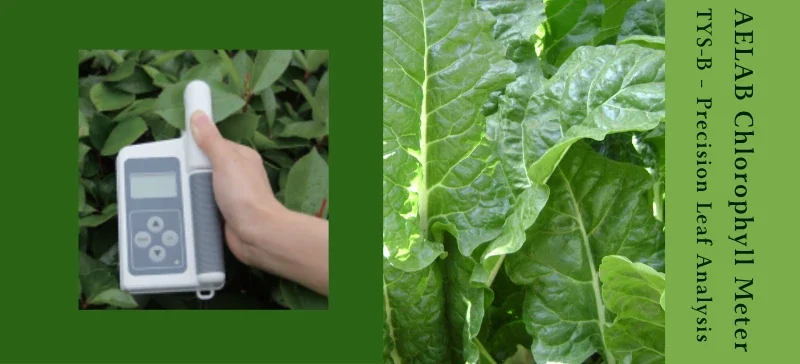
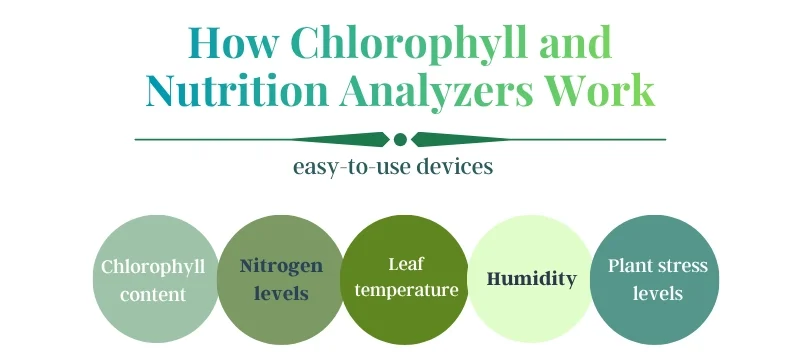
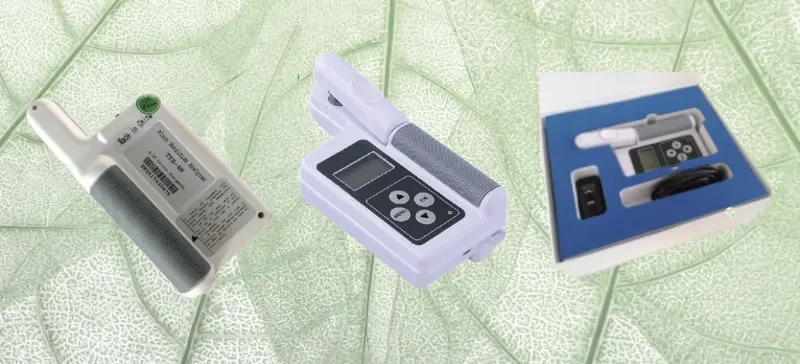
Chlorophyll and nutrition analyzers are portable, easy-to-use devices that utilize optical sensors to measure the chlorophyll fluorescence and nutrient levels in plants. These analyzers assess factors like:
Chlorophyll content
Nitrogen levels
Leaf temperature
Humidity
Plant stress levels
With this data, farmers can determine whether plants are receiving adequate nutrition and take corrective actions if necessary. For example, a chlorophyll and nutrition analyzer can identify a nitrogen deficiency before it becomes visible, allowing for quick adjustment to fertilization strategies.
Key Features of Chlorophyll and Nutrition Analyzers
These advanced tools offer practical features that improve the accuracy, speed, and ease of plant monitoring in everyday farming
Non-Destructive Testing
These analyzers offer a non-invasive way to measure plant health, preserving the integrity of the plant for ongoing growth.Real-Time Data
Instant feedback on plant health allows for timely decisions regarding nutrient management, irrigation, and pest control.Multi-Parameter Measurement
Monitor multiple variables at once, including chlorophyll levels, nitrogen content, leaf temperature, and more, to gain a comprehensive understanding of plant health.Portability and Ease of Use
Most models are compact and field-ready, making them ideal for use in both research and agricultural settings.
Benefits of Using Chlorophyll and Nutrition Analyzers
These tools provide several benefits that help make farming more efficient, eco-friendly, and yield-driven.
Increase Crop Yield
Accurately monitoring chlorophyll and nutrient levels allows you to optimize your fertilization strategies, leading to healthier plants and increased crop yields.
Reduce Costs and Waste
By identifying nutrient deficiencies early and applying only the necessary amount of fertilizer, farmers can reduce the costs associated with excess fertilizer use and minimize environmental impact.
Sustainable Agriculture
Efficient nutrient management reduces soil degradation, minimizes runoff, and promotes more eco-friendly farming practices.
Early Detection of Stress
A chlorophyll and nutrition analyzer helps detect plant stress long before visible symptoms appear, allowing for early intervention and minimizing crop loss.
Best Practices for Using Chlorophyll and Nutrition Analyzers
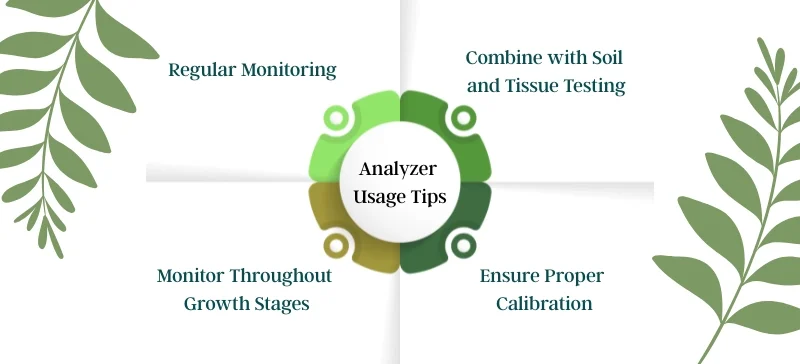
To fully benefit from chlorophyll and nutrition analyzers, it’s important to follow best practices:
Regular Monitoring
Continuous monitoring helps identify issues early and adjust fertilization or irrigation before problems escalate.Combine with Soil and Tissue Testing
For the most accurate understanding of plant health, combine analyzer data with soil tests and tissue samples.Ensure Proper Calibration
Regularly calibrate your analyzer to ensure the data remains accurate and reliable over time.Monitor Throughout Growth Stages
Use the analyzer at different plant growth stages to track nutrient requirements and adjust interventions accordingly.
Chlorophyll and Nutrition Analyzers vs. Traditional Methods
Traditional methods, such as visual inspection or periodic soil testing, are reactive and may not catch problems early. In contrast, chlorophyll and nutrition analyzers provide real-time, proactive insights, allowing farmers to make timely decisions.
| Method | Speed | Accuracy | Non-Destructive | Real-Time Feedback |
|---|---|---|---|---|
| Traditional Testing | Slow | Medium | ✅ | ❌ |
| Visual Inspection | Immediate | Low | ✅ | ❌ |
| Chlorophyll & Nutrition Analyzers | ✅ Fast | ✅ High | ✅ | ✅ Yes |
Conclusion
Chlorophyll and nutrition analyzers have become indispensable tools for modern farmers and horticulturists. These devices provide real-time data on plant health, allowing for more accurate nutrient management and healthier crops. By detecting nutrient imbalances early and adjusting fertilization strategies accordingly, growers can increase crop yield, reduce costs, and promote sustainable agricultural practices.
By adopting chlorophyll and nutrition analyzers, you gain a valuable tool to make more informed decisions and optimize plant growth, leading to a healthier and more productive farming system.
Call to Action (CTA):
Ready to improve your crop health and optimize nutrient management?
Upgrade your farming with cutting-edge solutions from AELAB’s chlorophyll and nutrition analyzers.
👉 [Contact us] to learn more about these cutting-edge devices and how they can benefit your crops