

Electronic Pipettes VS Manual Pipettes
When it comes to laboratory tools, precision and efficiency are paramount. Two widely used instruments for liquid handling are electronic pipettes and manual pipettes. Each has its unique features, benefits, and drawbacks. This article delves into the comparative aspects of these essential lab tools to help you make an informed choice.
Accuracy and Precision
Manual Pipettes: Known for their reliability, manual pipettes offer high precision and accuracy, especially when used by experienced technicians. They require manual adjustment of the volume and thumb control for aspiration and dispensing. The precision depends significantly on the operator’s skill and consistency.
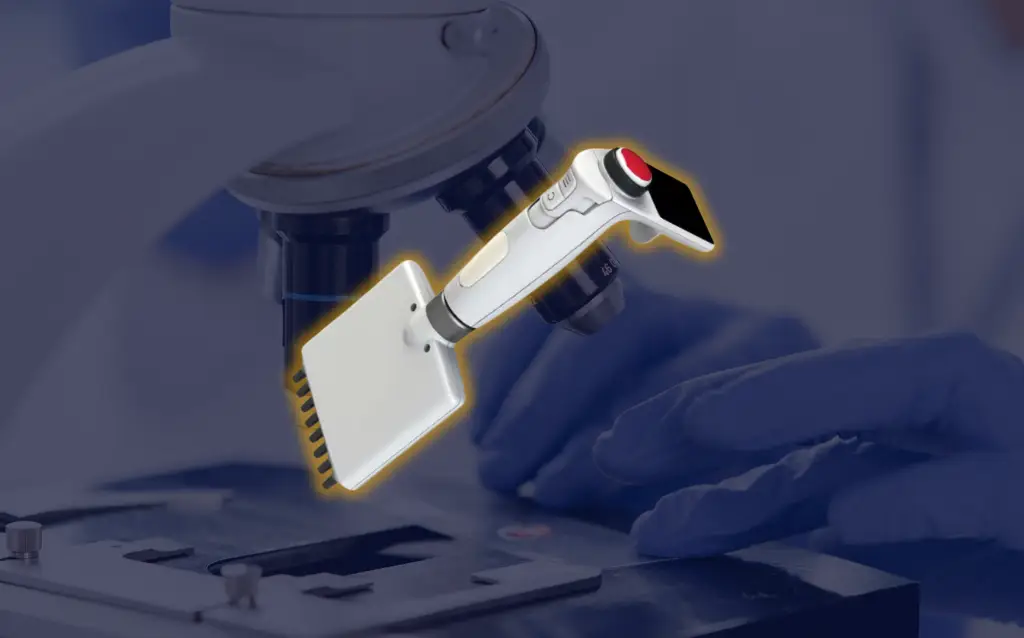
Electronic Pipettes: These devices excel in precision and accuracy by minimizing human error. They are programmable, allowing for consistent volume settings and automatic dispensing, which enhances reproducibility. The electronic control ensures that each sample is handled with the same force and speed, reducing variability.

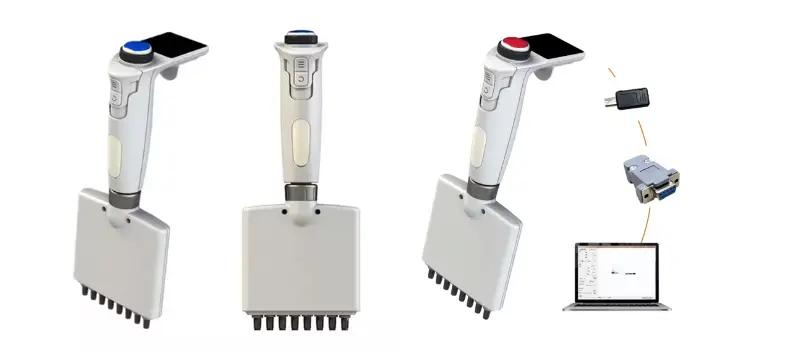
6/8/12 Channels Variable Spacing Electronic Pipette
Ease of Use
Manual Pipettes: Operating a manual pipette can be physically demanding, particularly during repetitive tasks. Users must manually set the volume and control the pipetting action, which can lead to thumb fatigue over prolonged use. Despite this, manual pipettes are straightforward and intuitive, making them suitable for simple, routine tasks.
Electronic Pipettes: Designed for ease of use,it’s feature digital controls and motorized operations, which significantly reduce the physical strain on the user. They often come with advanced features like multi-dispensing, mixing, and sequencing, which streamline complex workflows. The user-friendly interfaces and ergonomic designs make them ideal for high-throughput laboratories.
Versatility and Flexibility
Manual Pipettes: These pipettes are versatile and can handle a wide range of volumes. They are available in single-channel and multi-channel versions, catering to different experimental needs. However, switching between different volumes and protocols can be time-consuming.
Electronic Pipettes: Highly versatile, electronic pipettes can easily switch between various functions and volumes with minimal effort. They are particularly useful in applications requiring multiple dispensing steps or complex pipetting protocols. The programmable nature allows for quick adjustments and customization, enhancing flexibility in experimental design.
Maintenance and Durability
Manual Pipettes: Generally, manual pipettes are robust and durable, with fewer components that can malfunction. Regular calibration and maintenance are necessary to ensure long-term accuracy. Their simple design makes them easy to clean and repair.
Electronic Pipettes: While electronic pipettes are durable, they contain more complex components that require regular maintenance and calibration. Battery life and electronic components need periodic checks and replacements. However, with proper care, they can provide reliable service over an extended period.
Cost Considerations
Manual Pipettes: Typically, manual pipettes are more affordable upfront compared to their electronic counterparts. They require less initial investment, making them an attractive option for laboratories with limited budgets. However, the long-term costs associated with repetitive strain injuries and potential errors should be considered.
Electronic Pipettes: Although the initial cost is higher, electronic pipettes offer long-term savings by improving efficiency and reducing the likelihood of repetitive strain injuries. The enhanced precision and programmability can also lead to better experimental outcomes, potentially offsetting the higher purchase price over time.
Conclusion
Choosing between electronic and manual pipettes depends on your laboratory’s specific needs and resources. Manual pipettes are reliable, straightforward, and cost-effective for basic tasks. In contrast, electronic pipettes provide superior precision, ease of use, and flexibility, making them ideal for complex and high-throughput applications. Evaluating the requirements of your experiments and considering factors such as accuracy, ease of use, versatility, maintenance, and cost will guide you in selecting the most appropriate pipetting tool for your lab.
Incorporating the right pipetting technology can significantly enhance your laboratory’s efficiency and accuracy, ultimately leading to more reliable and reproducible results.