Introduction
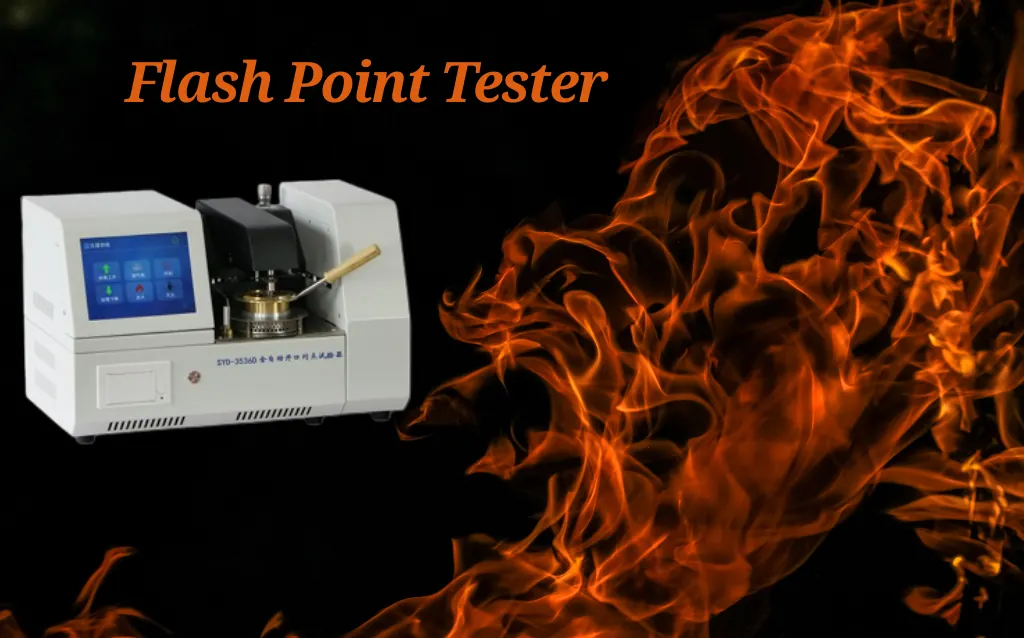
In industries dealing with fuels, lubricants, solvents, and volatile chemicals, professionals rely on precision tools for safety and compliance. A Flash Point Tester is a critical device for determining the flash point of liquids — the temperature at which they emit flammable vapors. Therefore, using a Flash Point Tester, industries can prevent accidents, ensure regulatory compliance, and maintain proper safety measures when handling hazardous substances.
What Is a Flash Point Tester?
A Flash Point Tester is an instrument specifically designed to measure the flash point of various liquids. The flash point is the lowest temperature at which a liquid produces enough vapor to ignite when exposed to an ignition source, such as a spark or flame. As a result, by using a Flash Point Tester, professionals can determine the exact flash point of materials, which helps in proper classification, safe storage, and regulatory adherence.
These testers provide accurate and reliable results, allowing industries to follow the correct procedures for safe operations involving flammable liquids. Moreover, they ensure that materials are tested under controlled conditions to avoid inconsistencies.
How Does a Flash Point Tester Work?
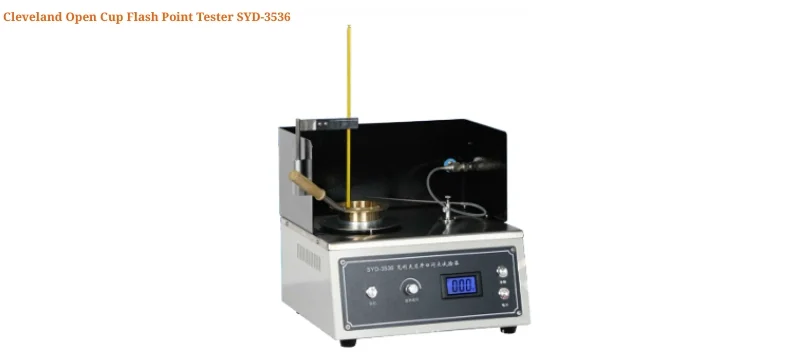
A Flash Point Tester works by heating a liquid sample and measuring the temperature at which it emits flammable vapors. The tester then introduces an ignition source to check if the vapor ignites. Subsequently, the lowest temperature at which ignition occurs is recorded as the flash point.
There are two primary methods used to measure the flash point: the Open Cup method and the Closed Cup method. In this regard, the choice of method depends on the substance being tested and the required accuracy for the application.
Open Cup Method
In the Open Cup method, the sample is exposed to the surrounding air. As the temperature rises, a test flame is passed over the liquid at intervals. The Flash Point Tester records the temperature when the vapor ignites, giving the flash point. This method is typically used for materials like lubricants and asphalt.
Closed Cup Method
The Closed Cup method is used for more volatile substances, where safety is a significant concern. In this case, the Flash Point Tester seals the liquid sample inside a chamber. The vapor remains contained, allowing for more precise and lower flash point measurements. This method is commonly used for fuels, solvents, and other highly flammable materials.
Why Do You Need a Flash Point Tester?
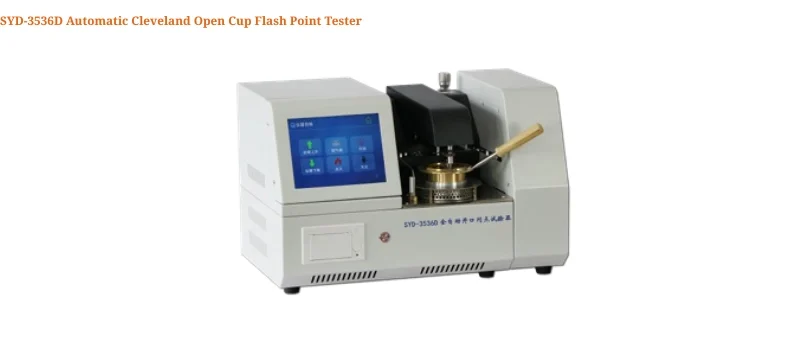
A Flash Point Tester plays a crucial role in industries that handle flammable liquids. By using this tool, professionals can:
Prevent Fires: Knowing the flash point prevents hazardous situations, such as fires and explosions.
Meet Regulatory Standards: Regulations such as ASTM D93 require precise flash point data for safe transportation and storage of flammable materials.
Monitor Product Quality: A change in the flash point often indicates contamination or degradation, which can affect the quality of materials.
Maintain Safety: This tool helps identify and mitigate risks before they lead to accidents or injuries .
Therefore, by using it regularly, industries ensure safer operations and meet all safety regulations.
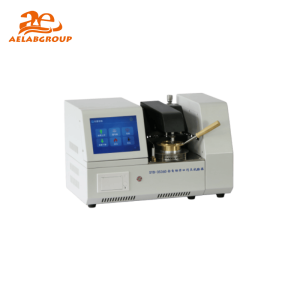
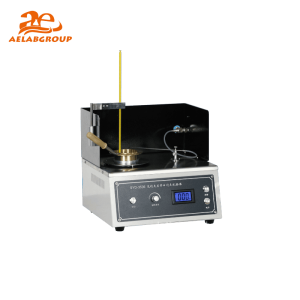
Key Features of a Flash Point Tester
Modern Flash Point Testers come equipped with advanced features to enhance accuracy and ease of use:
Automation: Many Flash Point Testers automate the testing process, reducing human error and providing consistent results.
High Accuracy: Devices like the AELAB Flash Point Tester offer precise readings, which are essential for industries with strict regulatory requirements.
Safety Features: These testers include features like explosion-proof chambers and flame arrestors to prevent accidents during the testing process.
User-Friendly Interface: The easy-to-read digital displays and automated result logging make the testing process simple and efficient. Consequently, they improve overall testing productivity.

Industrial Applications
Flash Point Testers are critical in various industries for safety, regulatory compliance, and quality assurance. Key applications include:
Oil & Gas: Classifying fuels and petroleum products to ensure proper storage and transportation.
Chemical & Manufacturing: Testing solvents and chemicals for flammability.
Pharmaceutical & Cosmetics: Testing alcohol-based compounds and fragrances to ensure safety.
Automotive: Verifying the flash point of engine oils and lubricants to maintain performance and safety.
Transportation: Determining the flash point of materials to ensure accurate labeling and compliance with shipping regulations.
As a result, by using a Flash Point Tester, industries can maintain consistent safety standards, avoid risks, and comply with regulations like ASTM D93, ASTM D92, and ASTM D6450.

Conclusion
In conclusion, accurately determining the flash point of flammable liquids plays a crucial role in industrial safety. These measurements help companies prevent fires, comply with safety regulations, and maintain high product quality. Whether using the Open Cup or Closed Cup method, proper handling, storage, and transportation of hazardous materials become safer and more reliable.
👉 Ready to enhance your lab’s testing capabilities?
Explore the latest range of AELAB Flash Point Testers and experience world-class precision in flash point measurement.