

Introduction
Centrifuges are critical instruments across laboratories and industries, used for separating mixtures based on density differences. While the principle of centrifugation may appear simple, achieving high Centrifuge Efficiency depends on a wide range of variables. Mismanaging these factors can lead to incomplete separations, sample damage, or even equipment failure.
This guide explores the most important factors affecting Centrifuge Efficiency and provides actionable insights to help you optimize performance, safety, and reliability—whether in research labs or industrial environments.
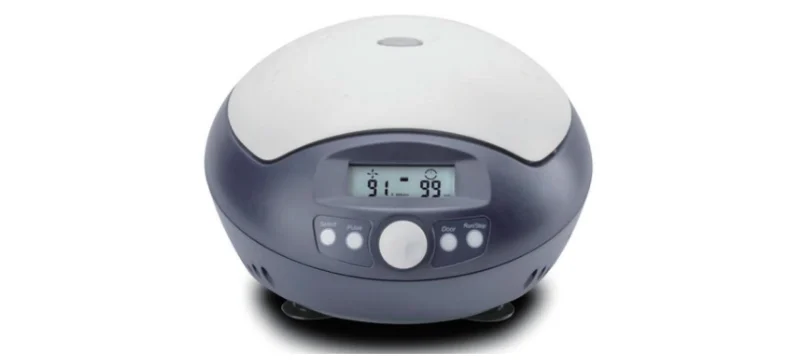
1. Rotational Speed (RPM and RCF)
The speed of rotation is one of the primary determinants of centrifuge efficiency.
Higher speeds generate stronger centrifugal forces, promoting faster separation.
Lower speeds provide gentler handling, ideal for fragile cells or proteins.
Since RPM (revolutions per minute) only measures rotor speed and not the actual force applied, RCF (Relative Centrifugal Force) is the more reliable parameter for reproducibility.
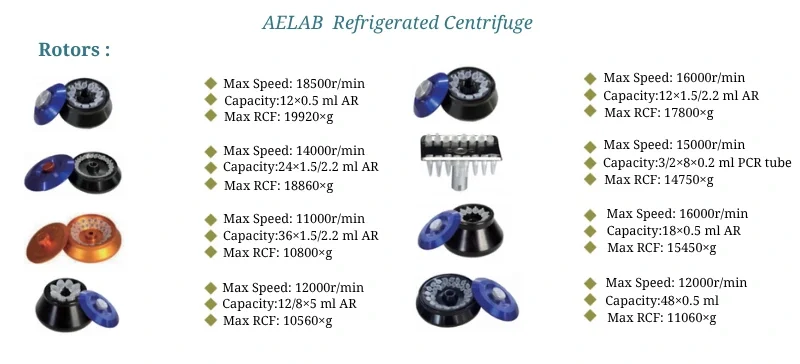
2. Rotor Design and Radius
Rotor type and radius strongly influence sedimentation pathways and separation outcomes:
Fixed-angle rotors: Provide rapid separation due to shorter travel paths.
Swing-bucket rotors: Handle larger volumes but are slower.
Near-vertical rotors: Suitable for DNA and high-speed applications.
The radius of the rotor amplifies force at a given RPM, making it a critical design factor.
3. Sample Mass and Distribution
Centrifuge Efficiency and overall safety are closely tied to sample mass.
Heavier particles sediment faster, improving separation efficiency.
Uneven sample weights cause dangerous vibrations that can damage the rotor and machine.
Best practice: Always balance tubes by weight, not volume, and use dummy tubes when necessary.
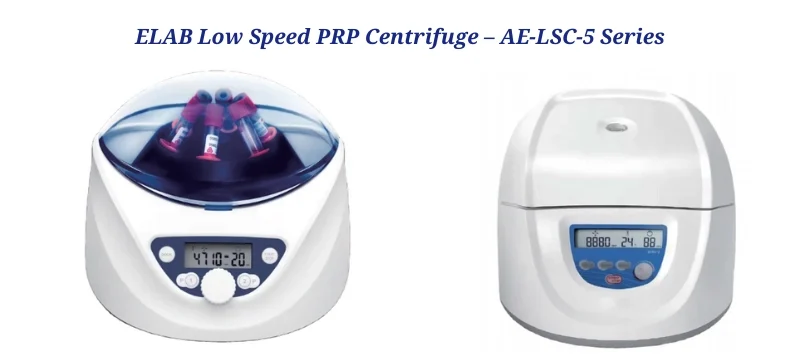
4. Sample Properties
The physical and chemical characteristics of samples play a key role:
Density: Denser particles settle more quickly (e.g., red blood cells vs. plasma).
Viscosity: High-viscosity media require higher speeds and longer times.
Stability: Fragile biomolecules may degrade under high force or heat.
5. Centrifugation Duration
Time must align with the size and type of particles being separated:
Short runs → incomplete separation.
Excessive runs → overheating, wasted energy, or sample degradation.
For example, nuclei pellet within minutes at low g-forces, while ribosomes may require hours at ultracentrifuge speeds.
6. Temperature Control
Temperature plays a crucial role in Centrifuge Efficiency, as it directly affects both medium viscosity and sample stability.
Low temperatures (≈4°C) help preserve sensitive materials such as RNA, proteins, and enzymes.
Room temperature is sufficient for stable DNA or chemical mixtures.
High speeds can generate excess heat, sometimes raising rotor temperature by more than 15°C.
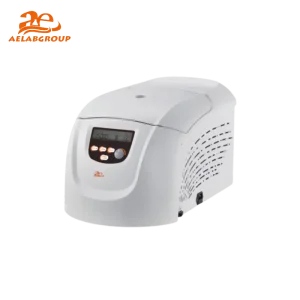
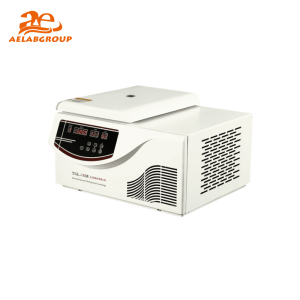
To optimize Centrifuge Efficiency, modern systems like those from AELAB are equipped with advanced cooling technologies that maintain consistent operating conditions.
7. Medium Density and Gradient Techniques
The surrounding medium influences how particles separate:
Isopycnic or gradient centrifugation (using sucrose or cesium chloride) allows precise separation of particles with very subtle density differences.
Widely applied in viral purification, organelle isolation, and molecular biology.
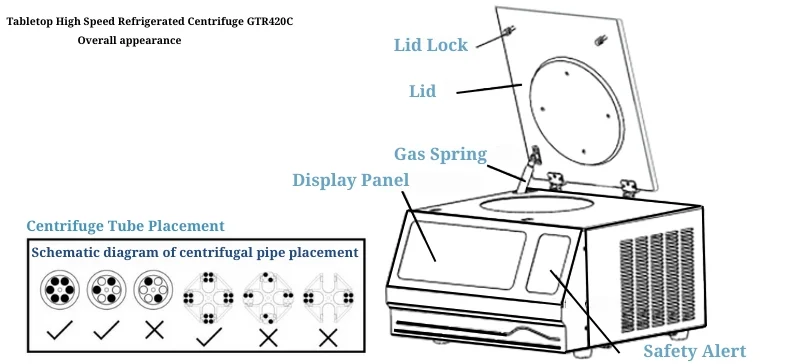
8. Balancing and Load Distribution
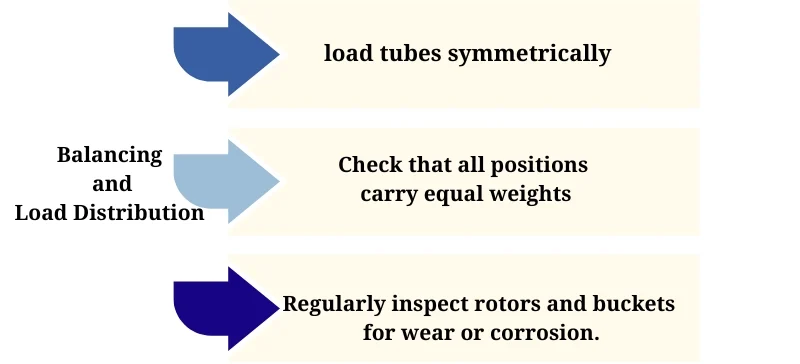
Imbalance is one of the main causes of centrifuge accidents and reduced Centrifuge Efficiency.
Always load tubes symmetrically.
Check that all positions carry equal weights.
Inspect rotors and buckets regularly for signs of wear or corrosion.
Maintaining proper balance not only improves Centrifuge Efficiency but also protects operators and extends the overall lifespan of the equipment.
Conclusion
Centrifuge efficiency is shaped by a complex interplay of factors—including speed, rotor type, mass, sample characteristics, duration, temperature, medium density, and balance. By carefully managing these variables and following best practices, users can maximize accuracy, protect samples, and enhance equipment longevity.
With the advanced features and safety mechanisms of AELAB centrifuges, laboratories and industries alike can achieve reliable, efficient, and safe separation results.