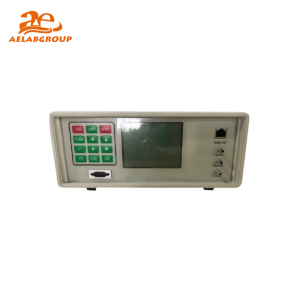
AELAB | Agricultural Testing Instruments | Plant Photosynthesis meter
The Laboratory Plant Photosynthesis Meter is a high-precision instrument used to measure photosynthetic activity and plant gas exchange in real time. It provides researchers, agronomists, and growers with vital insights into plant physiology, crop productivity, and environmental responses. By accurately quantifying CO₂ uptake and water vapor exchange, this device has become an essential tool for modern plant science and precision agriculture.
A Plant Photosynthesis Meter measures the rate of photosynthesis by monitoring gas exchange — specifically CO₂ assimilation and transpiration. It allows researchers to assess how efficiently plants convert light, water, and carbon dioxide into energy under varying conditions. This data helps in studying plant stress, nutrient response, and overall health in both laboratory and field settings.
📌 Featured Answer: A plant photosynthesis meter is a portable device that measures photosynthetic activity in plants by detecting CO₂ assimilation and water vapor exchange, providing insights into plant health and growth efficiency.
Most photosynthesis meters use infrared gas analysis (IRGA) technology. The device encloses a leaf in a chamber and measures the difference in CO₂ and H₂O vapor between incoming and outgoing air. Core parameters include:
These meters record and display results instantly, allowing users to monitor photosynthetic performance dynamically. Advanced systems can adjust chamber conditions — including light intensity, humidity, and CO₂ concentration — to simulate different environments for accurate physiological studies.
| Feature | Description |
|---|---|
| Measurement Parameters | CO₂ assimilation, H₂O vapor, PAR, leaf temperature |
| Technology | Infrared Gas Analysis (IRGA) |
| Accuracy | ±1 µmol CO₂ m⁻² s⁻¹ (depending on model) |
| Data Output | Digital display, USB/Bluetooth/cloud transfer |
| Power Supply | Rechargeable lithium battery or AC adapter |
| Portability | Handheld and field-ready models available |
| User Interface | Touchscreen control with data visualization |
| Feature | Portable Photosynthesis Meter | Fixed Chamber System |
|---|---|---|
| Mobility | Ideal for field studies | Limited to laboratory use |
| Environmental Control | Partial control in chamber | Full environmental regulation |
| Cost | Moderate to high | High to very high |
| Scope | Field and greenhouse crops | Controlled laboratory research |
| Learning Curve | Medium | High |
Q: Can I use a photosynthesis meter in the field?
A: Yes. Portable models are designed for rugged field use, with durable casings and battery-powered operation.
Q: What parameters can be measured?
A: Common measurements include CO₂ assimilation rate, transpiration, stomatal conductance, intercellular CO₂ concentration, and PAR.
Q: Are photosynthesis meters suitable for all plant types?
A: Yes, but certain species or leaf sizes may require custom chamber attachments for optimal accuracy.
Looking for specific lab equipment? Fill out the form below, and our team will get back to you with detailed information and a personalized quote.