AELAB | Agricultural Testing Instruments | Soil Nutrient Tester
Soil Nutrient Testers help growers, landscapers, and researchers quickly understand nutrient availability and soil health. By providing on-the-spot readings, these tools guide smarter fertilization and reduce unnecessary chemical use. Choose the right tester to balance accuracy, speed, and ease of use.
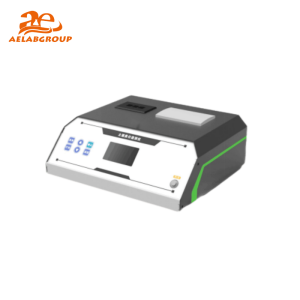
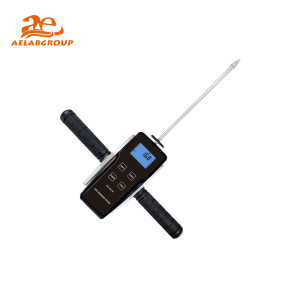
A soil nutrient tester measures key parameters—commonly nitrogen (N), phosphorus (P), potassium (K), and pH—to assess soil fertility and guide amendments. Depending on the design, testers may use colorimetric chemistry, electrochemical probes, or portable photometry to generate results suitable for home gardens, farms, landscaping, and environmental monitoring.
| Feature | Details |
|---|---|
| Measured Parameters | N, P, K, pH; some models also assess moisture and electrical conductivity (EC) |
| Measurement Method | Colorimetric reagents, electrochemical probes, or portable photometry (model dependent) |
| Accuracy & Sensitivity | Digital testers generally provide higher precision than analog; accuracy varies by parameter and calibration quality |
| Display & Output | Easy-to-read LCD or color chart; some offer app/USB data logging |
| Sampling Depth | Primarily topsoil/near-surface sampling; deeper profiles require separate sampling tools |
| Calibration | Single or multi-point calibration with standards or built-in routines (as applicable) |
| Power & Durability | Battery or rechargeable; weather-resistant housings for outdoor use |
| Measurement Range | NPK reported as mg/kg or relative levels (L/M/H); pH typically covers acidic to alkaline soils |
| Aspect | Soil Nutrient Testers | Laboratory Soil Analysis |
|---|---|---|
| Turnaround Time | Immediate, on-site | Days to weeks |
| Accuracy/Precision | Good for decisions; varies by model and calibration | High, with standardized methods |
| Cost per Test | Low ongoing cost | Higher per sample |
| Parameters Covered | Core nutrients (NPK), pH; some add moisture/EC | Comprehensive macro/micronutrients and contaminants |
| Best Use Case | Routine monitoring and quick adjustments | Baseline surveys, compliance, troubleshooting complex issues |
| Sampling Depth | Primarily topsoil | Flexible, can profile multiple depths |
Q: How often should I test my soil?
A: Test regularly—at least once per season and after major amendments—to catch changes and fine-tune fertilization.
Q: Do soil nutrient testers replace laboratory analysis?
A: They’re ideal for quick decisions, but lab testing is preferred for comprehensive profiles, troubleshooting complex soils, or regulatory needs.
Q: Will a tester measure pH as well as nutrients?
A: Many models include pH measurement alongside NPK; confirm the parameter list before purchase.
Q: What if my soil has high organic matter or salinity?
A: Complex samples may require specialized methods or lab analysis to ensure accurate results; use the tester as a screening tool.
Q: How can I use results to improve growth?
A: Adjust fertilizer type and rate based on detected deficiencies or excesses, and retest to verify the effect of your changes.
Looking for specific lab equipment? Fill out the form below, and our team will get back to you with detailed information and a personalized quote.