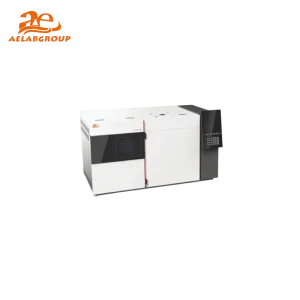
AELAB | Analytical Equipment | Gas Chromatography (GC/GC-MS)
Gas Chromatography (GC) and Gas Chromatography–Mass Spectrometry (GC-MS) are powerful analytical tools used in laboratories to separate and identify compounds with high precision. These techniques are indispensable for applications in environmental analysis, food testing, and forensic investigations.
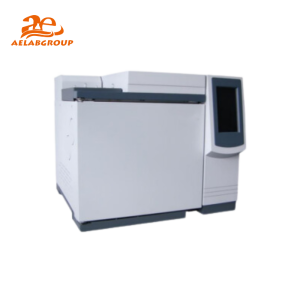
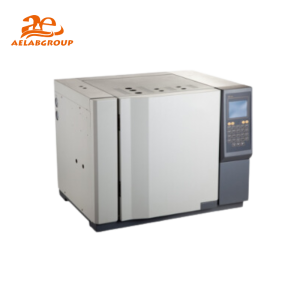
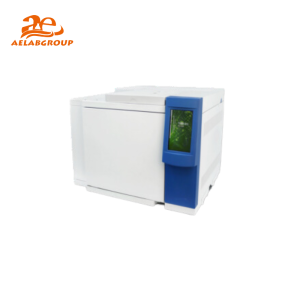
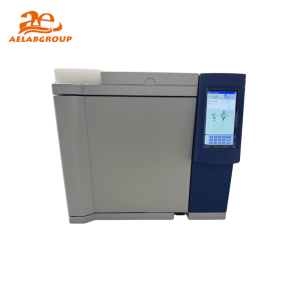
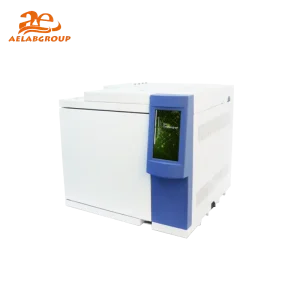
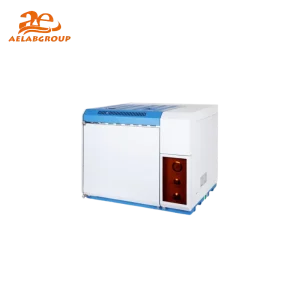
Gas Chromatography (GC) is an analytical technique used to separate and analyze compounds that can be vaporized without decomposition. It is especially powerful for detecting volatile and semi-volatile organic compounds by utilizing a chromatographic column and detectors like FID or TCD to measure the retention times of compounds.
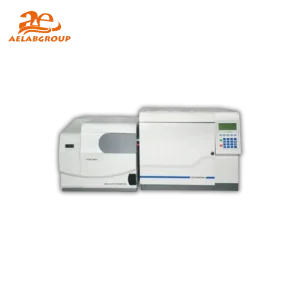
Gas Chromatography–Mass Spectrometry (GC-MS) combines the separation capabilities of GC with the identifying power of mass spectrometry. After separation in the GC column, compounds are detected and identified by their mass spectrum, providing both qualitative and quantitative analysis with unmatched sensitivity.
| Feature | Details |
|---|---|
| Column Type | Capillary or packed columns |
| Carrier Gas | Helium, nitrogen, or hydrogen |
| Ionization Method | Electron Impact, Chemical Ionization |
| Mass Analyzer Type | Quadrupole, Time-of-Flight |
| Detection Sensitivity | Moderate to very high (trace-level with GC-MS) |
| Analysis Time | 5–30 minutes per run |
| Software | Spectral libraries for compound identification (e.g., NIST) |
| Aspect | GC Only | GC-MS |
|---|---|---|
| Cost | Lower initial investment | Higher due to MS component |
| Detection Sensitivity | Moderate to high | Very high (trace-level) |
| Qualitative Capabilities | Limited (peak retention only) | Excellent (mass spectrum ID) |
| Sample Complexity | Good for simple/known mixtures | Ideal for unknown or complex mixtures |
| Application Fit | Routine quality control, food labs | Research, forensics, environmental labs |
Q: What gases are used in GC?
A: Typically helium, nitrogen, or hydrogen. Helium is common for its inertness and optimal flow characteristics.
Q: Is GC-MS suitable for non-volatile compounds?
A: No. GC and GC-MS are best for compounds that can be vaporized without decomposition. For non-volatile analytes, consider LC-MS instead.
Q: How long does a GC or GC-MS analysis take?
A: Most runs take 5–30 minutes, depending on the complexity of the sample and column type.
Looking for specific lab equipment? Fill out the form below, and our team will get back to you with detailed information and a personalized quote.