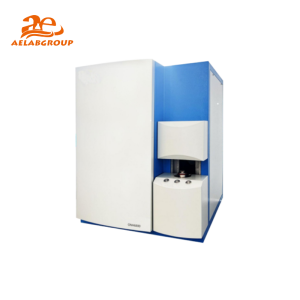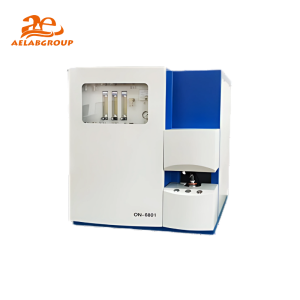
AELAB | Analytical Equipment | Oxygen and Nitrogen Analyzer
The Oxygen and Nitrogen Analyzer is an essential tool for high-precision elemental analysis in materials science, metallurgy, and industrial quality control. By accurately measuring trace oxygen and nitrogen levels in metals, ceramics, and alloys, these instruments ensure that material properties such as strength, ductility, and corrosion resistance meet demanding standards. Using inert gas fusion technology, modern analyzers provide rapid, reliable measurements down to parts-per-million (ppm) concentrations. Whether used for steel purity checks, titanium quality assessment, or high-purity electronic materials testing, an Oxygen and Nitrogen Analyzer supports consistent product performance and compliance in laboratories worldwide.
An Oxygen and Nitrogen Analyzer is a precision analytical instrument designed to determine oxygen (O) and nitrogen (N) concentrations in solid inorganic materials. It operates primarily on the principle of inert gas fusion, where the sample is melted in a graphite crucible at temperatures up to 3000°C. The evolved gases — CO/CO₂ from oxygen and N₂ from nitrogen — are quantified using infrared and thermal conductivity detectors. This process enables laboratories to detect elements at trace levels, ensuring optimal purity and performance of critical materials such as steels, titanium alloys, and advanced ceramics.
| Feature | Description |
|---|---|
| Detection Range | From parts per million (ppm) to percentage levels |
| Applicable Materials | Steel, copper, titanium, ceramics, and advanced alloys |
| Detection Method | Infrared (Oxygen) and Thermal Conductivity (Nitrogen) |
| Sample Mass | Typically 0.1–1.0 g |
| Analysis Time | 2–4 minutes per sample |
| Carrier Gases | Helium or Argon |
| Automation | Optional autosampler and PC-based control |
| Calibration | Certified reference materials for trace accuracy |
| Aspect | Oxygen and Nitrogen Analyzer | Combustion Analyzer |
|---|---|---|
| Target Elements | Oxygen, Nitrogen (sometimes Hydrogen) | Carbon, Sulfur |
| Detection Principle | Inert Gas Fusion with IR/TCD detection | Combustion with IR/UV detection |
| Sample Type | Metals, ceramics, alloys | Organic and inorganic materials |
| Carrier Gas | Helium or Argon | Oxygen or Air |
| Best Use Case | Trace O/N analysis in high-purity materials | Carbon/sulfur quantification in steel and coal |
Q: How accurate is an Oxygen and Nitrogen Analyzer?
A: High-end models achieve accuracy down to a few ppm, making them suitable for trace element analysis in high-purity materials.
Q: Can these analyzers detect hydrogen as well?
A: Some ONH analyzers include additional detection channels for hydrogen, providing full gas analysis in one instrument.
Q: What gases are used in inert gas fusion analysis?
A: Helium or argon is typically used as the carrier gas due to their inert properties and stability at high temperatures.
Q: How often should calibration be performed?
A: Calibration should be done daily or before each analytical sequence using certified reference materials to ensure consistent accuracy.
Oxygen and Nitrogen Analyzers are typically compliant with CE, ISO, and ASTM analytical standards for elemental testing. AELAB provides full calibration support, documentation, and validation services to help laboratories meet industry and regulatory requirements for accurate and traceable elemental analysis.
Looking for specific lab equipment? Fill out the form below, and our team will get back to you with detailed information and a personalized quote.