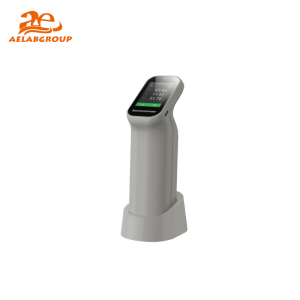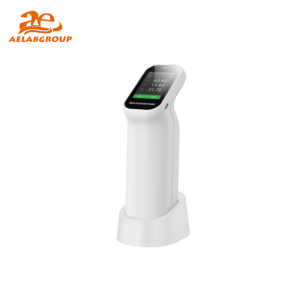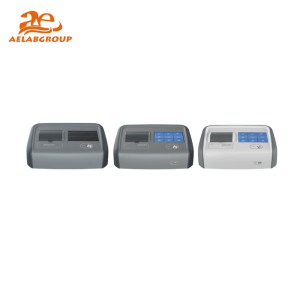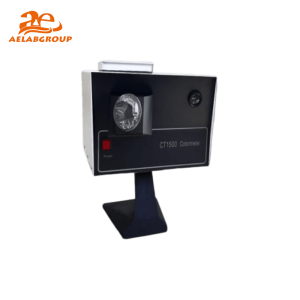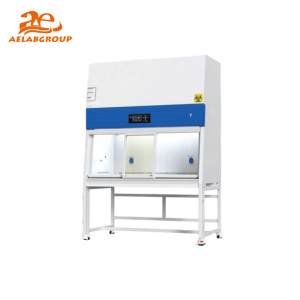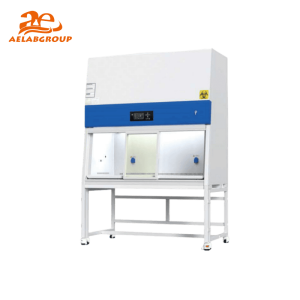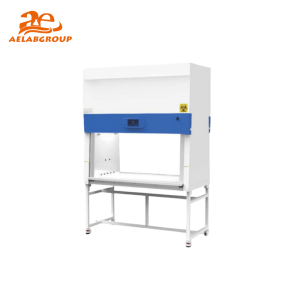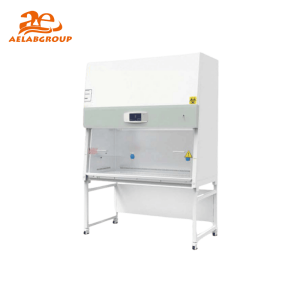
AELAB | Environmental Testing Equipment
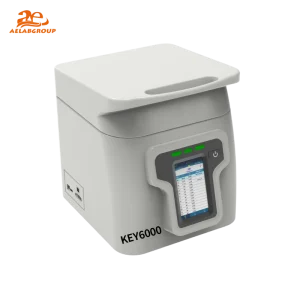
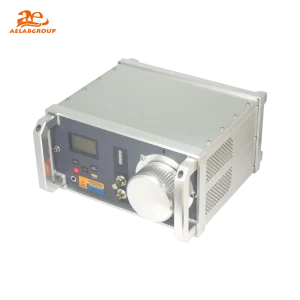
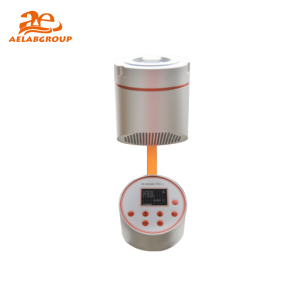
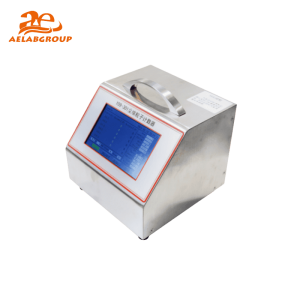
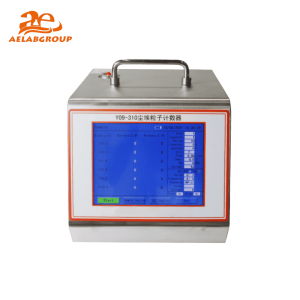
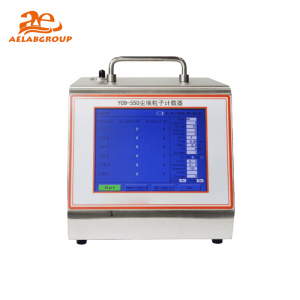
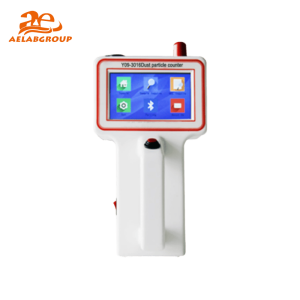
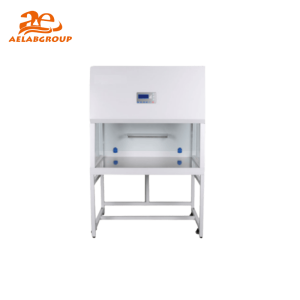
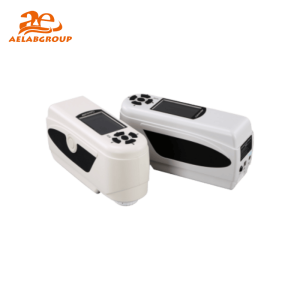
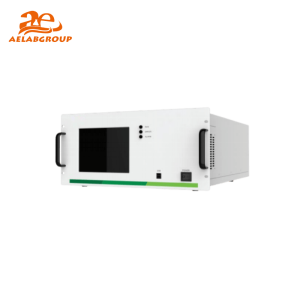
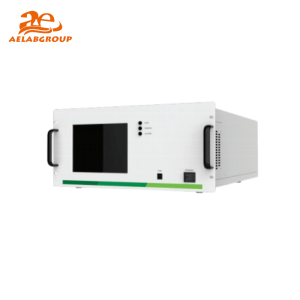
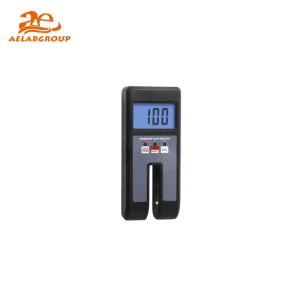
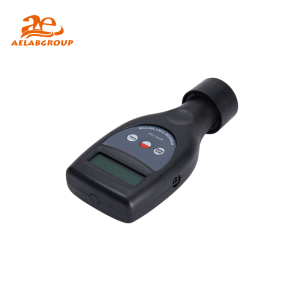
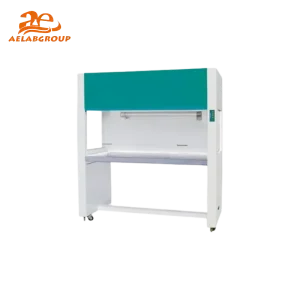
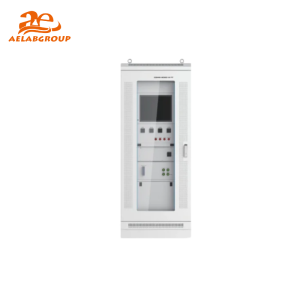
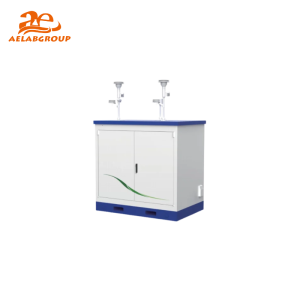
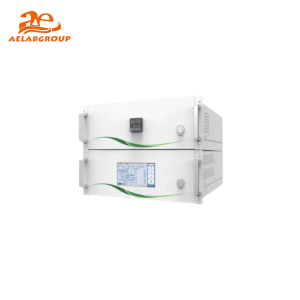
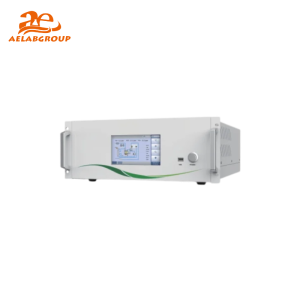
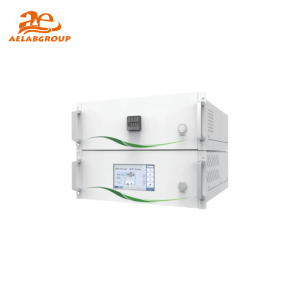
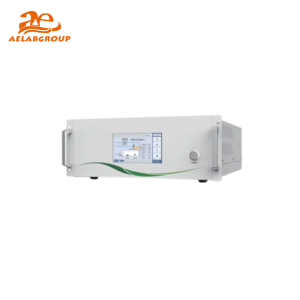
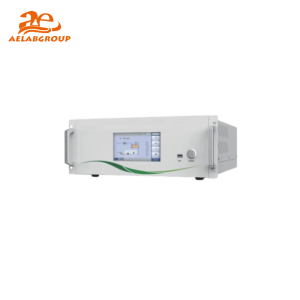
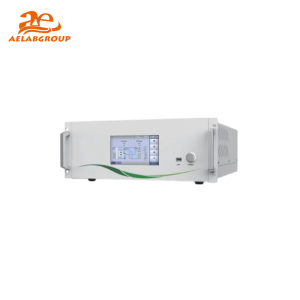
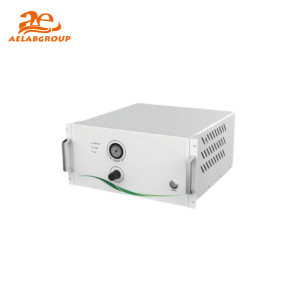
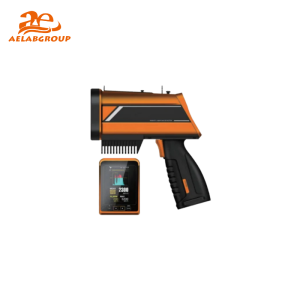
Environmental Testing Equipment enables precise monitoring of air, water, soil, and climate parameters to safeguard public health, ensure environmental compliance, and guide sustainability initiatives. From portable field kits to advanced analyzers, these tools transform invisible environmental risks into actionable data for scientists, engineers, and regulators.
Environmental Testing Equipment refers to instruments used to detect, measure, and analyze pollutants and environmental conditions such as particulate matter, gases, water chemistry, soil nutrients, and meteorological factors. These devices combine high-precision sensors, calibration standards, and data logging systems to provide reliable, traceable measurements for compliance and environmental management.
| Feature | Details |
|---|---|
| Sensitivity | Detects micro-level changes (e.g., µg/m³ for PM, ppm/ppb for gases) |
| Measurement Range | Customized per parameter (e.g., −40–85 °C, 0–2000 µS/cm, 0–100 mg/L DO) |
| Accuracy | ±1–2% typical; improves with frequent calibration |
| Portability | Rugged, battery-powered field-ready instruments (IP-rated housings) |
| Data Logging | Internal storage, USB/Wi-Fi/Bluetooth connectivity for time-stamped data |
| Sensor Technology | Electrochemical, optical, NDIR, ion-selective, and meteorological sensors |
| Calibration | Periodic calibration with standards (gas mixtures, pH buffers, turbidity media) |
| Aspect | Environmental Testing Equipment | Laboratory Analytical Instruments |
|---|---|---|
| Primary Use | Field-based, in-situ monitoring | Controlled, high-precision lab testing |
| Portability | Compact, battery-operated | Stationary, mains-powered |
| Examples | Air monitors, soil kits, water analyzers | GC-MS, ICP-MS, HPLC, spectrometers |
| Speed | Real-time or rapid results | Longer analysis time; higher sensitivity |
| Data Output | Trend and compliance data | Detailed chemical speciation |
Q: What is environmental testing equipment used for?
A: It measures pollutants and environmental conditions—air, water, soil, and meteorology—to assess quality, ensure compliance, and protect ecosystems and health.
Q: Do these instruments need calibration?
A: Yes, regular calibration with certified standards (pH buffers, gas mixtures, etc.) ensures data accuracy and regulatory traceability.
Q: Can field devices replace lab analysis?
A: Field instruments offer rapid screening and compliance checks, while laboratory analysis provides detailed composition and trace detection.
Q: Which standards should be followed?
A: Instruments should conform to EPA, ISO, and ASTM methods for validated, defensible results.
Looking for specific lab equipment? Fill out the form below, and our team will get back to you with detailed information and a personalized quote.