AELAB | Environmental Testing Equipment | Air Sampler
Air samplers are essential tools for capturing and analyzing airborne particles to support air quality management in labs, industry, and environmental sites. Air Samplers enable compliance with safety standards and power research in environmental and occupational health. This guide explains types, key specs, applications, and how to choose the right device.
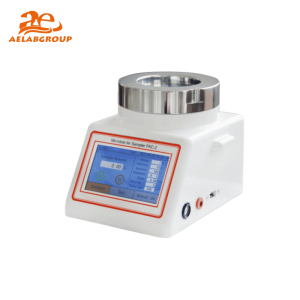
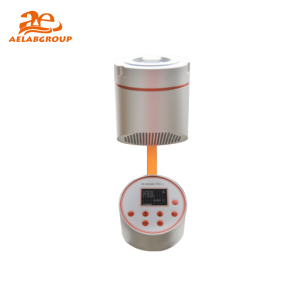
An air sampler is a device that collects airborne particulates, microbes, or gases onto a defined sampling medium (e.g., filters, agar plates, sorbent tubes) for subsequent measurement. Depending on design, air is drawn actively with a pump or passively via diffusion and natural airflow. Results support regulatory compliance, contamination control, and exposure assessments across indoor, outdoor, and occupational environments.
| Feature | Details |
|---|---|
| Flow Rate | 1–1000 L/min depending on model and application |
| Power Supply | Battery or AC-powered options for field or benchtop use |
| Sampling Media | Filters, agar plates, sorbent tubes (target-specific) |
| Portability | Handheld, wearable, or benchtop formats |
| Data Output | Manual readouts or digital data logging for audit trails |
| Calibration | Routine airflow verification using certified standards |
| Certifications | Compliance with ISO 14698 and relevant industry regulations |
| Target Analytes | Microbial bioaerosols, particulates (PM), gases/vapors (VOC/chemicals) |
| Aspect | Air Sampler | Air Monitor |
|---|---|---|
| Purpose | Collects air for laboratory analysis | Provides real-time air quality readings |
| Output | Physical sample for lab testing | Instant numerical data and trends |
| Use Case | Research & compliance audits | Continuous monitoring systems |
| Sampling Method | Active (pump) or passive (diffusion) collection | In-situ sensors (e.g., optical/ electrochemical) |
| Typical Targets | Microbes, particulate, gases for lab confirmation | PM, gases/VOCs with immediate alarms |
Q: What is the main purpose of an air sampler?
A: To collect and analyze airborne particles, microorganisms, or gases for air quality assessment and compliance monitoring.
Q: How often should air samplers be calibrated?
A: Calibrate before each sampling campaign or per manufacturer recommendations to ensure accurate readings.
Q: Can air samplers detect viruses?
A: Yes. With suitable media (e.g., high-efficiency filters or impingers), samples can capture viral particles for laboratory analysis.
Q: What’s the difference between active and passive air sampling?
A: Active samplers use a pump to draw air at a controlled flow rate; passive samplers rely on natural diffusion and airflow over time for low-maintenance monitoring.