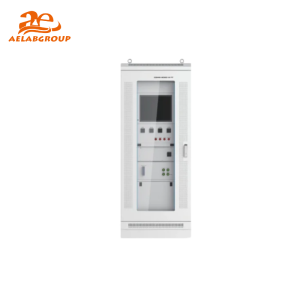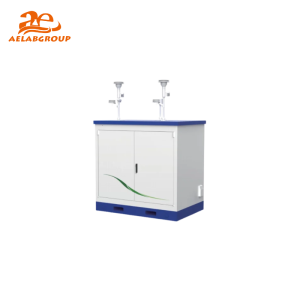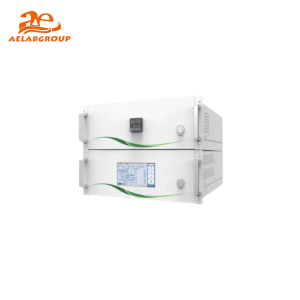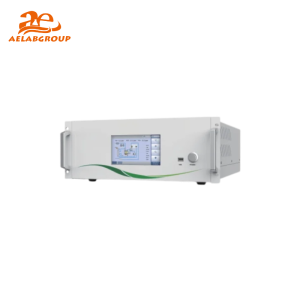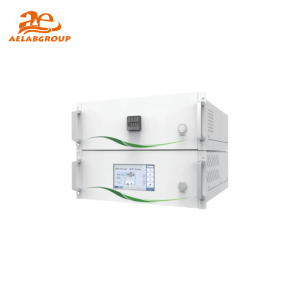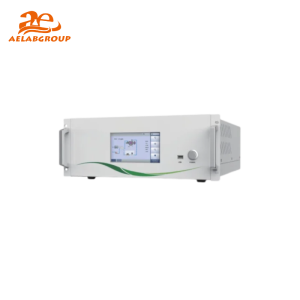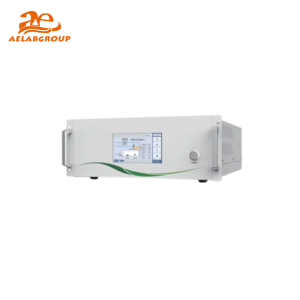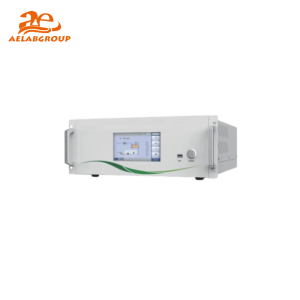
AELAB | Environmental Testing Equipment | AQMS Air Quality Machine
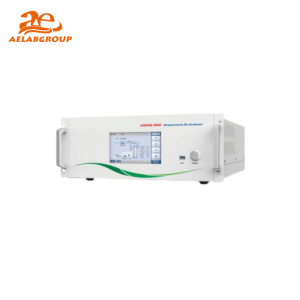
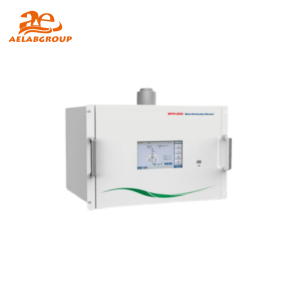
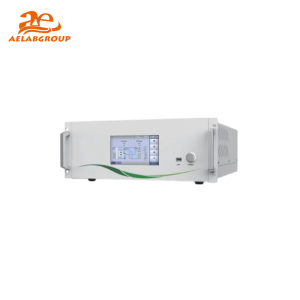
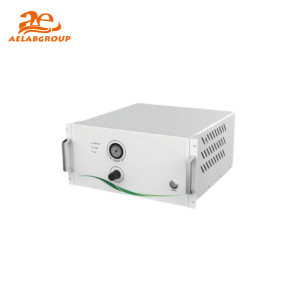
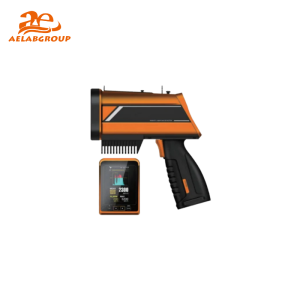
The AQMS Air Quality Machine integrates advanced air sensing with a biological microscope to safeguard research integrity and staff safety. This laboratory-grade system delivers real-time insight into particulates and gases while enabling high-clarity imaging. If you need precise, audit-ready monitoring, the AQMS Air Quality Machine streamlines compliance and workflow.
The AQMS (Air Quality Monitoring System) Air Quality Machine is a lab-grade instrument that unites high-sensitivity air quality sensors (PM, VOCs, CO₂, CO, formaldehyde, ozone) with a 40x–1000x biological microscope. Engineered for cleanrooms, biomedical, environmental, and pharmaceutical labs, it measures indoor air parameters that can affect sample integrity while offering real-time microscopy, data networking, and alerting to reduce contamination risks and support standards compliance.
| Feature | Details |
|---|---|
| Particulate Sensing | PM2.5 & PM10 detection for airborne particulate analysis |
| Gas Detection | VOCs, CO₂, CO, formaldehyde (HCHO), ozone (O₃) |
| Microscope Optics | 40x–1000x magnification; adjustable LED illumination |
| Imaging & Display | Real-time digital capture with on-screen visualization |
| Sample Stability | Anti-vibration sample holder for stable viewing |
| Connectivity | Wi-Fi & Ethernet; remote access; LIMS/data system compatibility |
| Design | Compact, modular; microscope and AQMS sensors usable independently |
| Compliance | Supports ISO 14644 cleanroom and WHO lab air quality guidelines |
| Aspect | AQMS Air Quality Machine | Traditional Separate Systems |
|---|---|---|
| Space Efficiency | High—single compact unit | Multiple devices consume bench space |
| Real-Time Air Monitoring | Built-in sensors with alerts | Often external; limited integration |
| Data Integration | Unified air + imaging data stream | Manual collation across systems |
| Cost Effectiveness | Lower total cost over time | Higher upfront & maintenance |
| Portability/Modularity | Compact; modules usable independently | Bulky; limited flexibility |
| Setup & Training | Single workflow; faster onboarding | Multiple interfaces and SOPs |
Q: Which pollutants does the AQMS Air Quality Machine measure?
A: It detects PM2.5/PM10 particulates and gases including VOCs, CO₂, CO, formaldehyde (HCHO), and ozone (O₃).
Q: Can I use the microscope and the air sensors independently?
A: Yes—its modular design allows the biological microscope and AQMS sensor suite to be used separately as needed.
Q: Does it support compliance with ISO 14644 or WHO lab guidelines?
A: The system is designed to support cleanroom and laboratory air quality requirements aligned with ISO 14644 and WHO guidance; verify site-specific thresholds in your SOPs.
Q: How often should I calibrate the sensors?
A: A quarterly calibration schedule is recommended, with interim checks using reference devices for critical workflows.
Q: What connectivity options are available for data export?
A: Wi-Fi and Ethernet are supported, enabling remote monitoring and integration with laboratory data management systems.
Looking for specific lab equipment? Fill out the form below, and our team will get back to you with detailed information and a personalized quote.