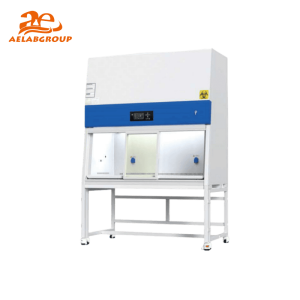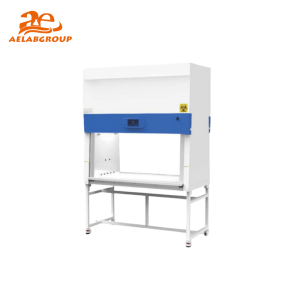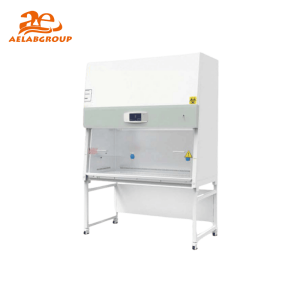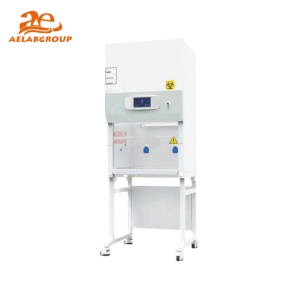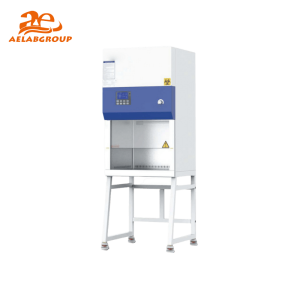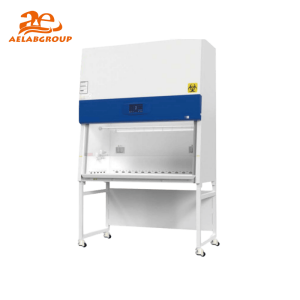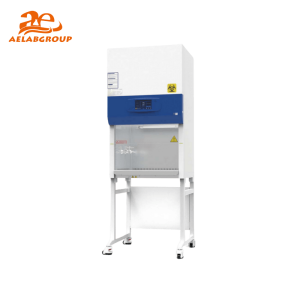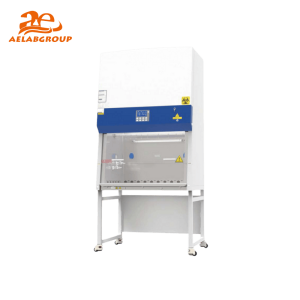
AELAB | Environmental Testing Equipment | Biosafety Cabinet
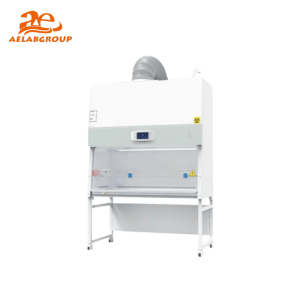
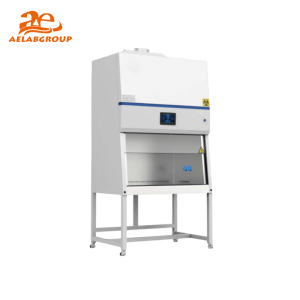
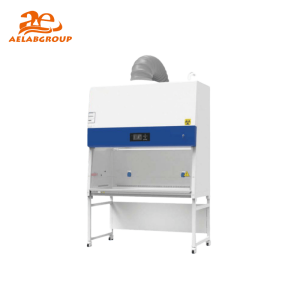
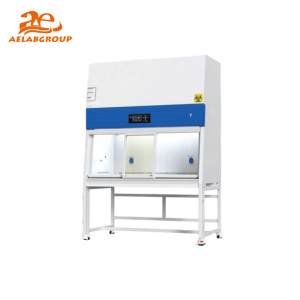
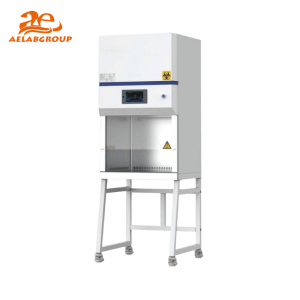
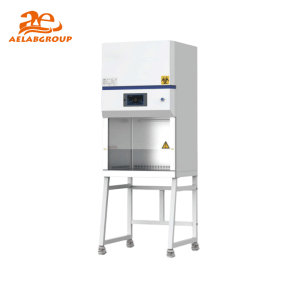
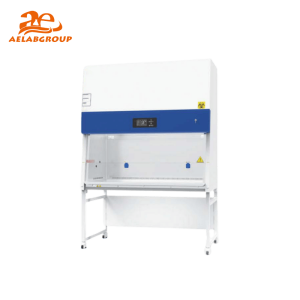
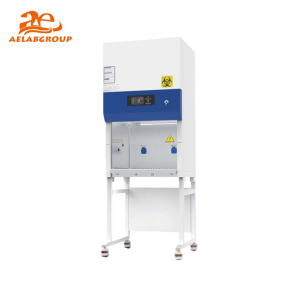
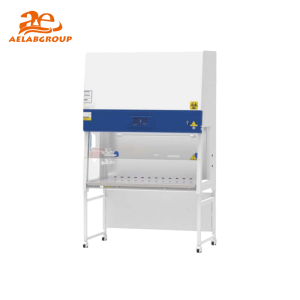
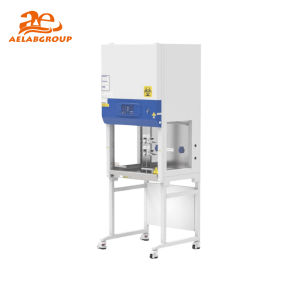
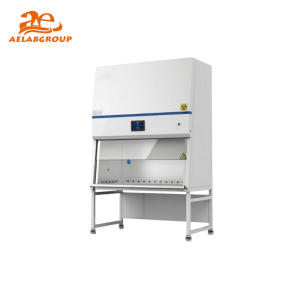
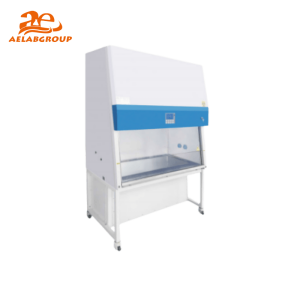
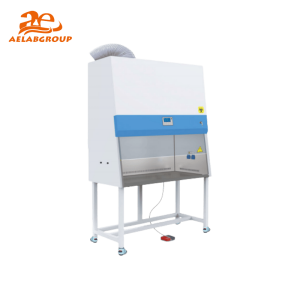
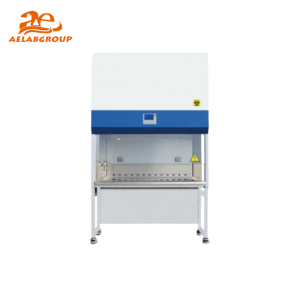
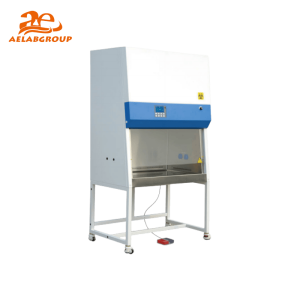
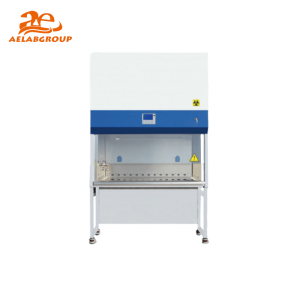
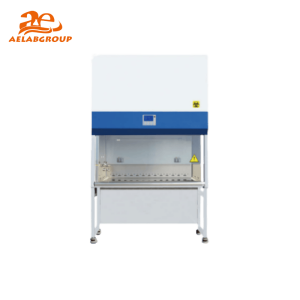
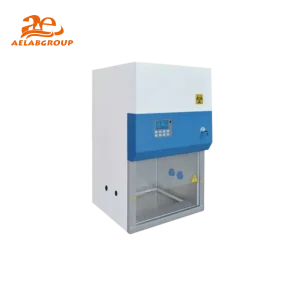
A Biosafety Cabinet (BSC) is a critical laboratory safety device that protects personnel, products, and the environment from exposure to infectious or hazardous biological materials. Through HEPA-filtered airflow and containment engineering, it ensures contamination control across research, clinical, and pharmaceutical applications.
A biosafety cabinet (BSC) is a ventilated workspace designed to provide three levels of protection: personnel, product, and environment. Unlike chemical fume hoods that protect only the user, a BSC utilizes HEPA filtration and controlled airflow to contain and remove airborne contaminants, making it essential for microbiological and biomedical laboratories.
| Feature | Details |
|---|---|
| HEPA Filter Efficiency | 99.97% at ≥0.3 µm particle size |
| Airflow Type | Vertical laminar downflow with inward face velocity |
| Noise Level | ≤ 65 dB (operator comfort range) |
| Lighting | Fluorescent and optional UV light for sterilization |
| Construction | Powder-coated steel or stainless steel with sealed seams |
| Certifications | NSF/ANSI 49, EN 12469, ISO 14644-1 |
| Safety Controls | Microprocessor airflow monitoring and alarms |
| Aspect | Biosafety Cabinet | Laminar Flow Hood |
|---|---|---|
| Personnel Protection | Yes | No |
| Product Protection | Yes | Yes |
| Environmental Safety | Yes | No |
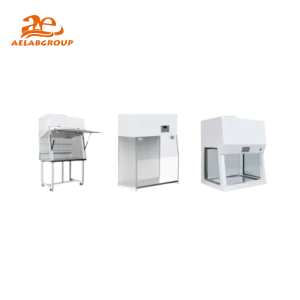
| Best For | Infectious or hazardous biological agents | Sterile manufacturing and cleanroom use |
Q: How does a biosafety cabinet differ from a fume hood?
A: A biosafety cabinet protects the user, sample, and environment using HEPA-filtered airflow, while a fume hood only removes chemical vapors to protect the user.
Q: How often should a biosafety cabinet be certified?
A: BSCs should be certified at least annually, or whenever relocated or serviced, to comply with NSF/ANSI 49 standards.
Q: Can I use UV light as the only disinfection method?
A: No, UV light should complement manual cleaning with disinfectants—it cannot replace surface decontamination.
Q: Which class of biosafety cabinet is best for my lab?
A: Class II cabinets are most common for moderate-risk pathogens; Class III is required for high-containment BSL-4 environments.
Looking for specific lab equipment? Fill out the form below, and our team will get back to you with detailed information and a personalized quote.