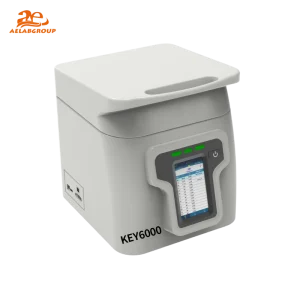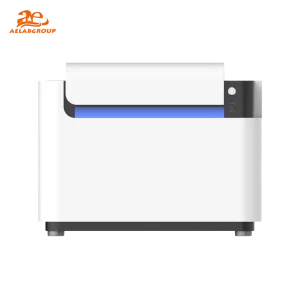
AELAB | Environmental Testing Equipment | Methane/ NMHC/THC Analyzer
The Methane/NMHC/THC Analyzer provides precise, real-time measurement of methane (CH₄), non-methane hydrocarbons (NMHC), and total hydrocarbons (THC) for compliance and environmental stewardship. This instrument helps facilities track emissions that affect air quality and climate, enabling rapid response to excursions. Use this guide to understand how a Methane/NMHC/THC Analyzer works, key features, and best-practice deployment.
A Methane/NMHC/THC analyzer detects and quantifies methane, non-methane hydrocarbons, and total hydrocarbons in ambient air or process emissions. Common techniques include flame ionization detection (FID) for THC/NMHC, gas chromatography (GC) for speciated CH₄ and NMHCs, and non-dispersive infrared (NDIR) for selective methane measurement—delivering continuous or interval-based data for regulatory reporting and process control.
| Feature | Details |
|---|---|
| Detection Principles | FID (THC/NMHC), GC-FID (speciation), NDIR (CH₄) |
| Detection Limits | ppb to low ppm (model-dependent) for CH₄/NMHC/THC |
| Measurement Range | From sub-ppm up to thousands of ppm; auto-ranging options |
| Response Time | Seconds to minutes (real-time for FID/NDIR; GC cycle-based) |
| Sampling | Continuous draw with filters/traps; heated lines for high-humidity or VOC-rich streams |
| Data & Connectivity | USB/Ethernet/RS-485; cloud/BMS/SCADA integration; 21 CFR Part 11-ready logging |
| Compliance | Supports EPA/ISO methods, ambient and stack monitoring SOPs |
| Form Factors | Portable field units, benchtop analyzers, rack-mount CEMs |
| Aspect | Methane/NMHC/THC Analyzer | General Gas Detector |
|---|---|---|
| Target Gases | CH₄, NMHC (speciated or summed), THC | Often single gas or broad VOC indication |
| Accuracy & Precision | High; ppb–ppm with method-specific selectivity | Moderate; limited for complex mixtures |
| Speed & Mode | Continuous or interval (real-time alerts) | Spot checks; may lack continuous logging |
| Regulatory Use | Suitable for compliance reporting (EPA/ISO methods) | Typically for screening/safety, not legal reporting |
| Cost & Complexity | Higher; calibration gases & maintenance needed | Lower; simpler operation |
Q: What is the difference between NMHC and THC?
A: THC is the total hydrocarbons (methane + non-methane), while NMHC excludes methane and represents only the non-methane fraction.
Q: Which technology should I choose—FID, GC, or NDIR?
A: Use FID for sensitive THC/NMHC totals, GC-FID for speciated analyses, and NDIR for selective, continuous methane channels.
Q: Are these analyzers suitable for continuous emissions monitoring?
A: Yes. Rack-mount CEM configurations provide continuous data, alarms, and integrations for regulatory reporting.
Q: How often should I calibrate?
A: Frequency depends on usage and requirements; many programs calibrate weekly to monthly and verify daily with zeros/spans.
Looking for specific lab equipment? Fill out the form below, and our team will get back to you with detailed information and a personalized quote.