AELAB | Laboratory Equipment | Balance
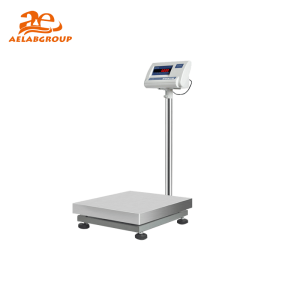
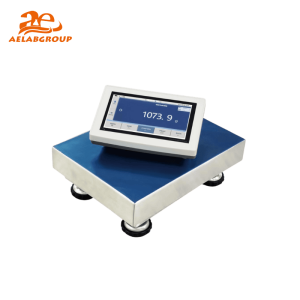
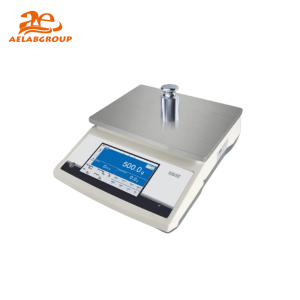
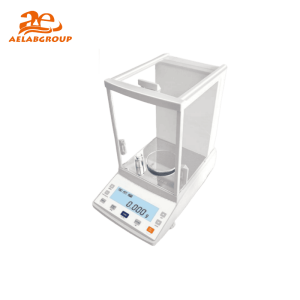
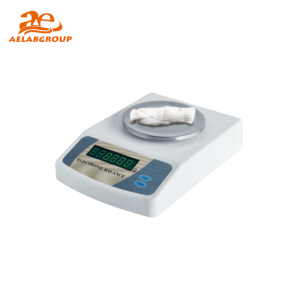
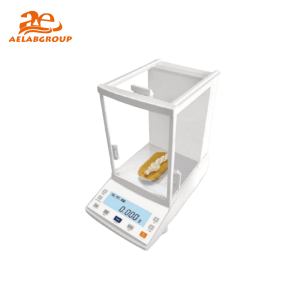
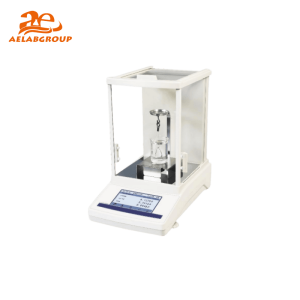
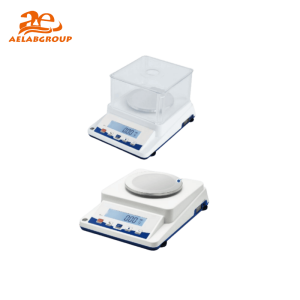
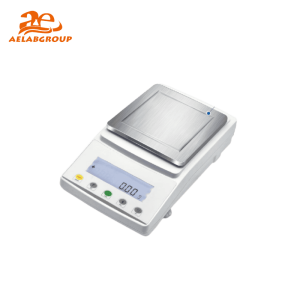
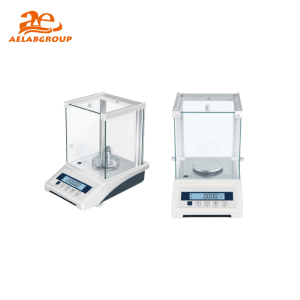
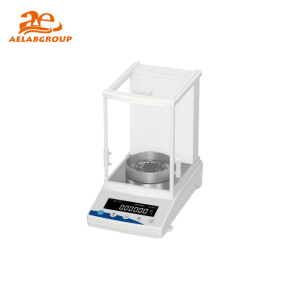
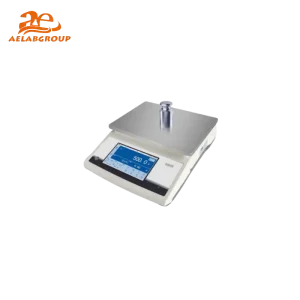
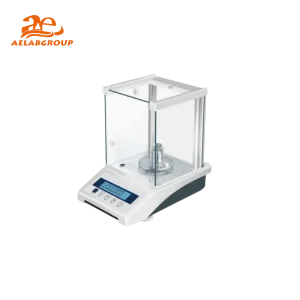
A laboratory balance is a precision instrument designed to measure mass with exceptional accuracy, essential in scientific research, pharmaceuticals, and quality control. These balances ensure reliable, repeatable measurements across applications from chemistry experiments to industrial testing. Choosing the right balance guarantees precision, efficiency, and data integrity in every weighing task.
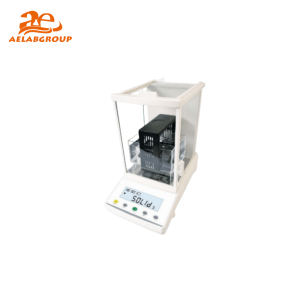
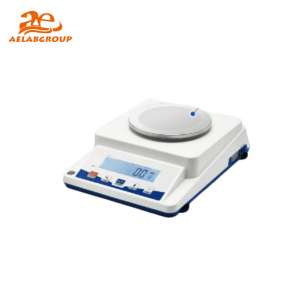
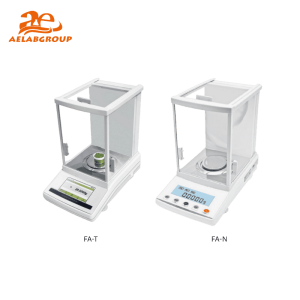
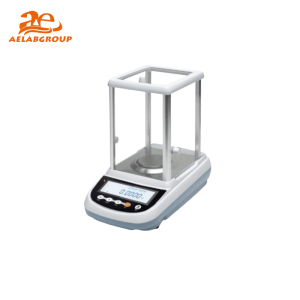
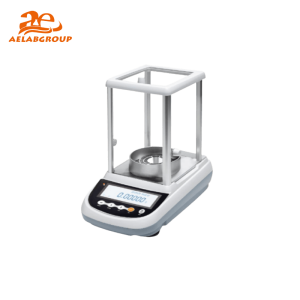
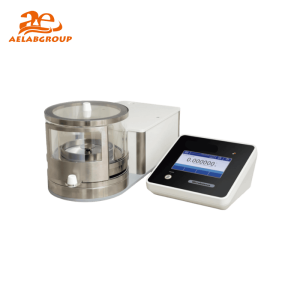
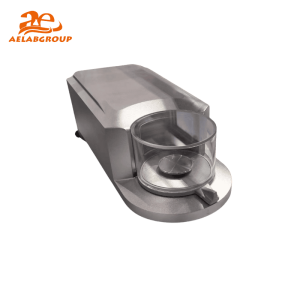
A laboratory balance is a highly sensitive weighing device used to measure small masses with microgram-level accuracy. Unlike regular digital scales, laboratory balances offer advanced calibration, stability, and multiple weighing modes for analytical, industrial, and research use. They are fundamental tools in environments demanding precise quantification of solids, powders, and liquids.
| Feature | Details |
|---|---|
| Readability | From 0.000001 g (micro) to 1 g (top-loading) |
| Weighing Capacity | Ranges from 0.1 g up to several kilograms |
| Calibration | Internal (automatic) or external (manual using weights) |
| Display | LCD or touch-screen with unit conversions and statistics |
| Connectivity | USB, RS232, or wireless data transfer to PC/LIMS |
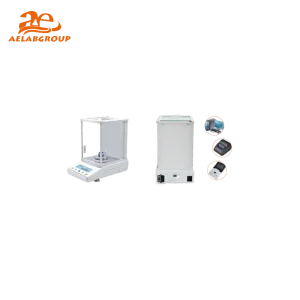
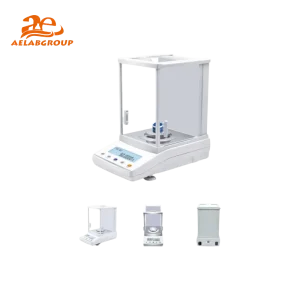
| Environmental Protection | Draft shield, anti-static coating, vibration compensation |
| Construction | Aluminum base with stainless steel weighing pan |
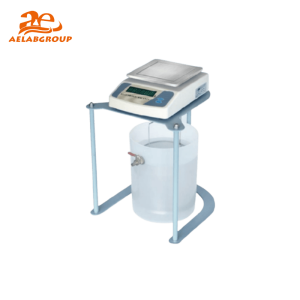
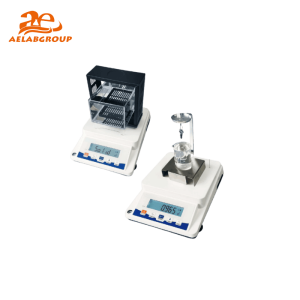
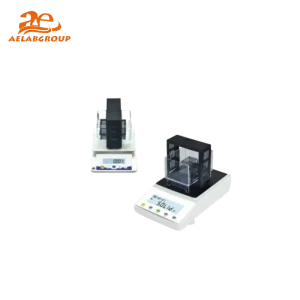
| Software Functions | Tare, density determination, piece counting, percentage weighing |
| Feature | Laboratory Balance | Regular Scale |
|---|---|---|
| Precision | High (micrograms) | Low (grams) |
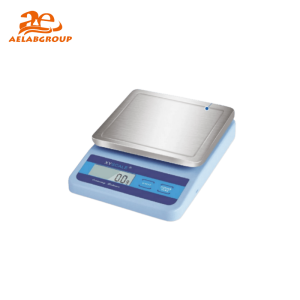
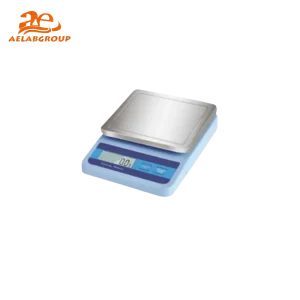
| Application | Scientific and industrial analysis | Household or retail weighing |
| Calibration | Frequent, using certified weights | Rarely required |
| Stability Sensitivity | Sensitive to air drafts and vibrations | Less affected by environment |
| Weighing Range | Small to moderate samples | Large or bulk items |
Q: What is the difference between an analytical and a precision balance?
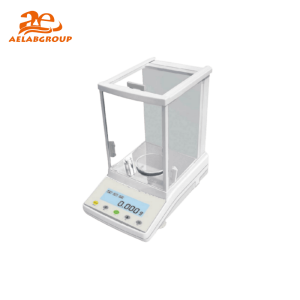
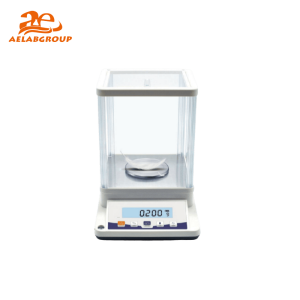
A: Analytical balances offer higher sensitivity (up to 0.0001 g) and are enclosed in a draft shield, while precision balances have lower sensitivity (0.001–0.01 g) but greater capacity and robustness.
Q: Why is calibration important for laboratory balances?
A: Calibration ensures the accuracy of measurements by adjusting for environmental changes and instrument drift, maintaining traceable and reliable results.
Q: How do environmental factors affect weighing accuracy?
A: Air currents, temperature fluctuations, and static electricity can alter readings; using draft shields and anti-static features minimizes these effects.
Q: Can laboratory balances connect to computers or printers?
A: Yes, most modern balances feature USB, RS232, or wireless connectivity for data logging, traceability, and integration with lab software.
Looking for specific lab equipment? Fill out the form below, and our team will get back to you with detailed information and a personalized quote.