AELAB | Laboratory Equipment | Hotplate Stirrer/Overhead Stirrer
In laboratories worldwide, precision and consistency are fundamental to achieving reliable experimental results. Whether you’re preparing chemical solutions, heating biological samples, or conducting quality control tests, Hotplate Stirrers and Overhead Stirrers are indispensable. Each serves a unique role in laboratory mixing, offering different advantages depending on your workflow and sample type. This guide explains their key differences, benefits, and selection tips for optimal performance.
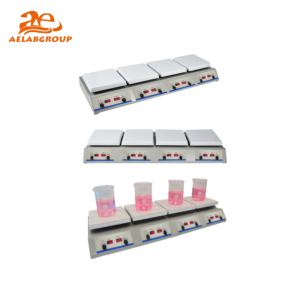
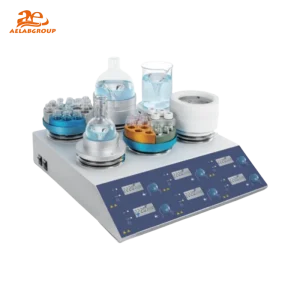
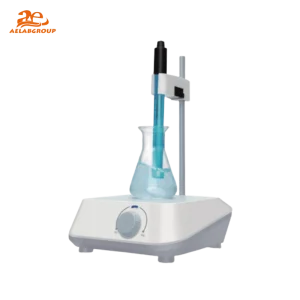
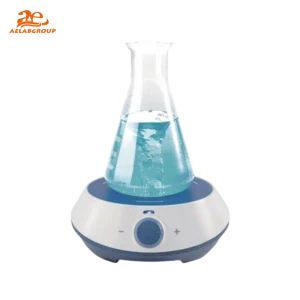
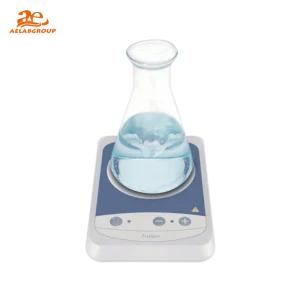
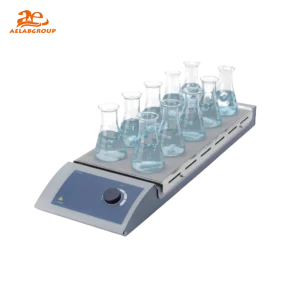
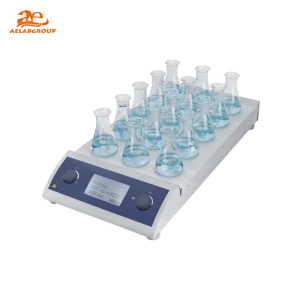
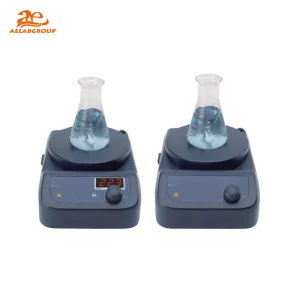
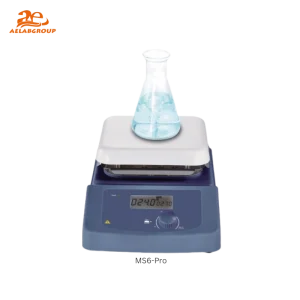
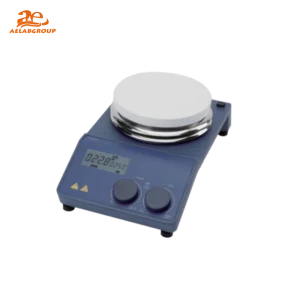
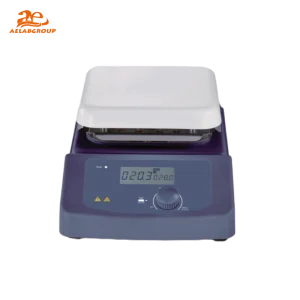
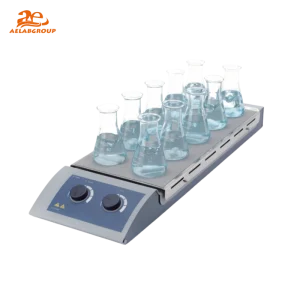
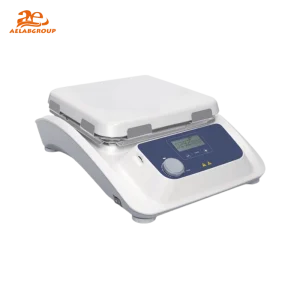
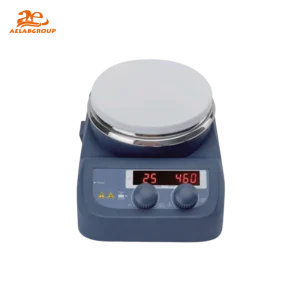
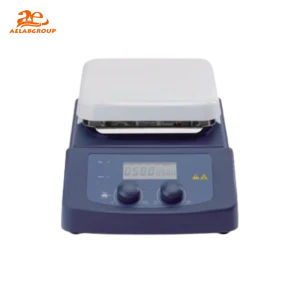
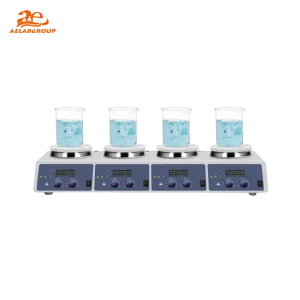
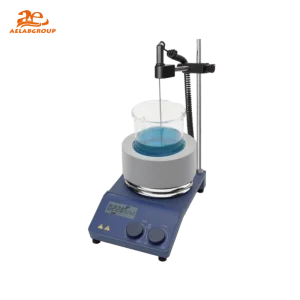
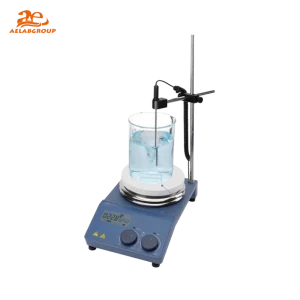
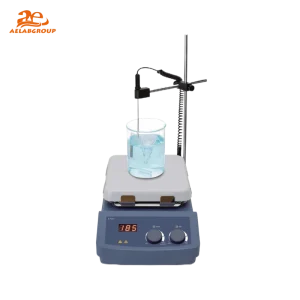
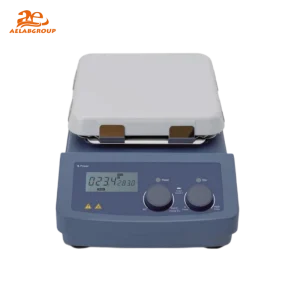
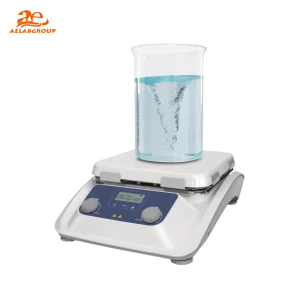
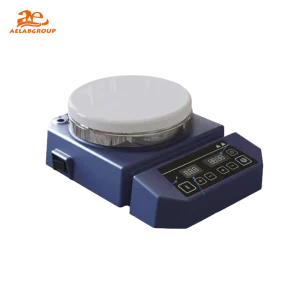
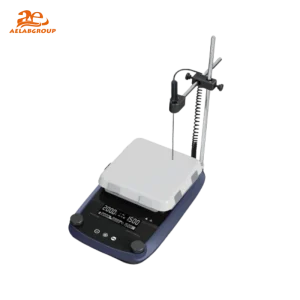
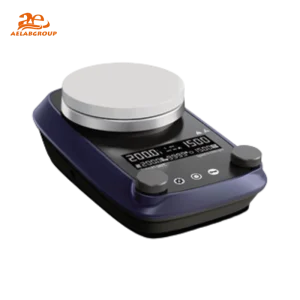
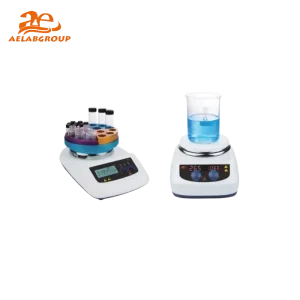
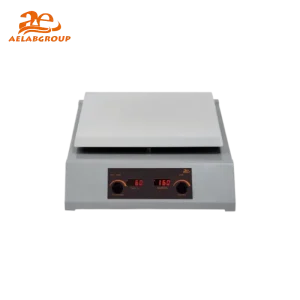
A Hotplate Stirrer (also known as a magnetic stirrer with heating) integrates a heating element with a magnetic stirring system. It allows simultaneous heating and mixing of liquid samples in beakers or flasks, making it ideal for routine laboratory applications in chemistry, biology, and analytical testing.
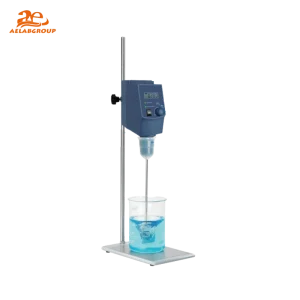
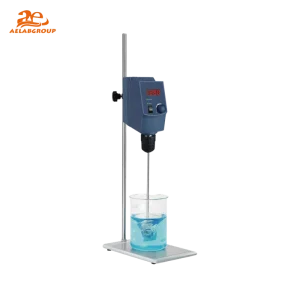
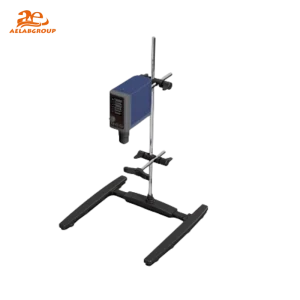
An Overhead Stirrer is a motorized device designed to mix viscous materials and large liquid volumes beyond the capacity of magnetic stirrers. It uses a rotating shaft with paddles or propellers inserted directly into the liquid, offering powerful, controlled mixing for dense or heterogeneous samples.
| Feature | Hotplate Stirrer | Overhead Stirrer |
|---|---|---|
| Mixing Mechanism | Magnetic stir bar | Direct-drive paddle or propeller |
| Heating Function | Yes (integrated hotplate) | No (external heating required) |
| Sample Type | Low-viscosity liquids | Medium to high-viscosity fluids |
| Volume Capacity | Small to medium (≤2 L) | Medium to large (≥5 L) |
| Precision | Moderate | High (fine control and stability) |
Verdict: Use a Hotplate Stirrer for low-viscosity samples that require heating, and an Overhead Stirrer for high-viscosity or large-volume mixing tasks.
Q: Can a hotplate stirrer handle viscous materials?
A: Only to a limited extent. For thick or paste-like materials, an overhead stirrer is more effective.
Q: Are overhead stirrers noisy?
A: Some low-cost models can be noisy, but premium stirrers often feature advanced noise-reduction systems.
Q: How do I choose the right stir bar or shaft?
A: Select based on the vessel shape, sample viscosity, and desired mixing intensity. Flat-bottomed vessels suit bar stirrers; overhead paddles work best for deep or viscous samples.
Looking for specific lab equipment? Fill out the form below, and our team will get back to you with detailed information and a personalized quote.