AELAB | Laboratory Equipment | Pipette Manual
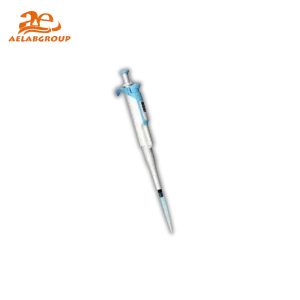
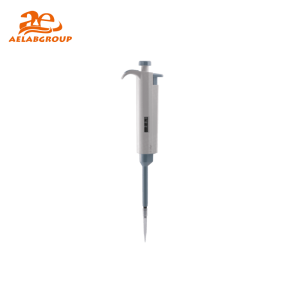
A Manual Pipette is an essential laboratory instrument for precise liquid handling. Used across biological, chemical, and diagnostic labs, manual pipettes offer exceptional accuracy, affordability, and control. Despite increasing automation, they remain a cornerstone of scientific precision and repeatable measurements.
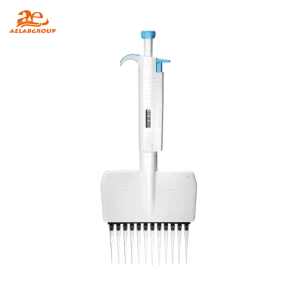
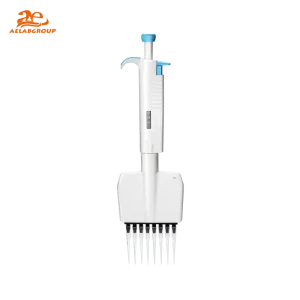
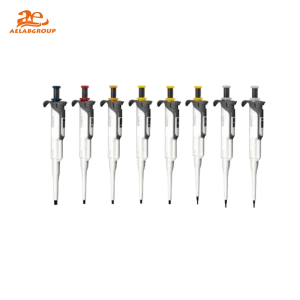
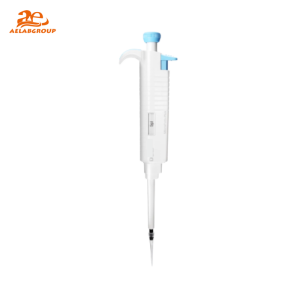
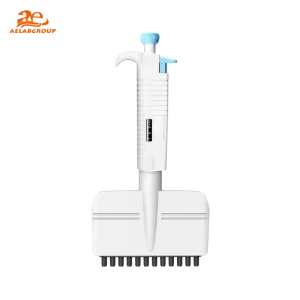
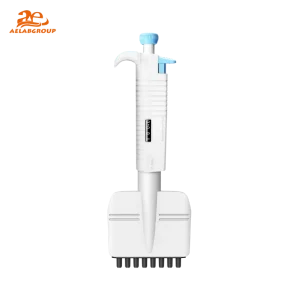
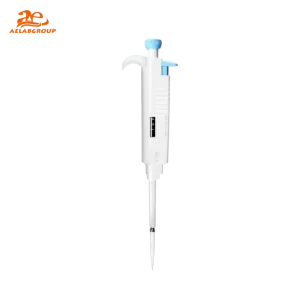
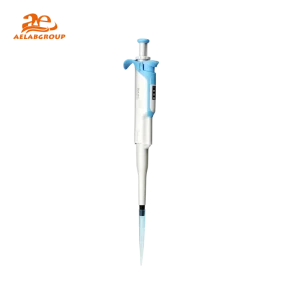
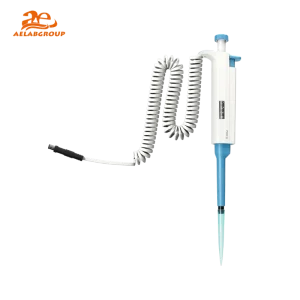
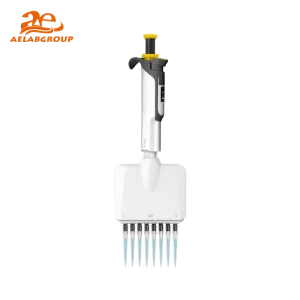
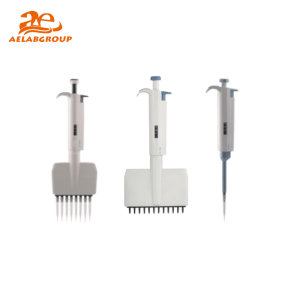
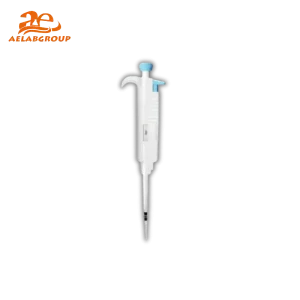
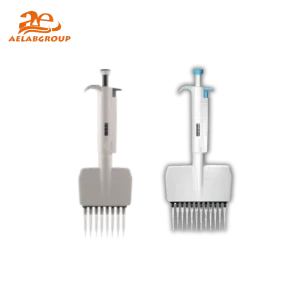
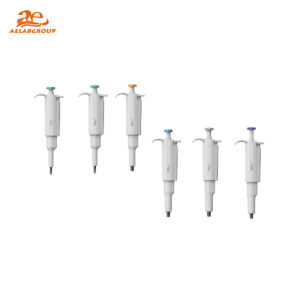
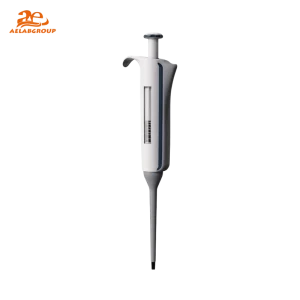
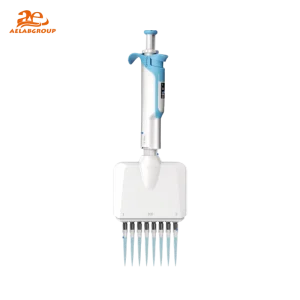
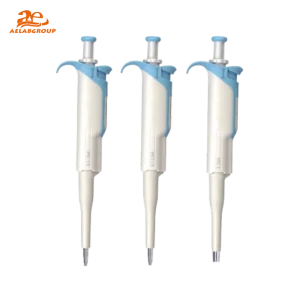
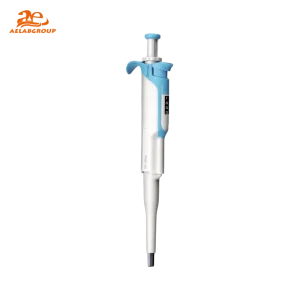
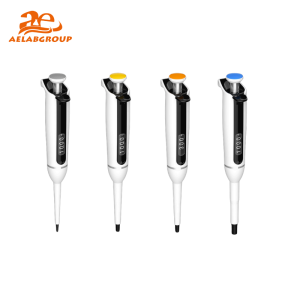
A manual pipette is a hand-operated air displacement device used to aspirate and dispense measured liquid volumes. It typically includes a plunger button, volume adjustment knob, tip ejector, and shaft for attaching disposable tips. Available in various configurations, manual pipettes support routine and advanced applications in research, diagnostics, and industrial quality control.
| Feature | Details |
|---|---|
| Volume Range | 0.1 µL – 10 mL (depending on model) |
| Accuracy | Within ±1% of set volume (typical) |
| Mechanism | Air displacement for liquid transfer |
| Material | Durable polymer with autoclavable parts |
| Ergonomics | Lightweight, low plunger resistance design |
| Tip Compatibility | Universal or brand-specific disposable tips |
| Calibration | Manual or digital fine-tuning adjustments |
| Sterility | Autoclavable components for sterile use |
| Feature | Manual Pipette | Electronic Pipette |
|---|---|---|
| Operation | Hand-operated | Motorized, battery-powered |
| Cost | Lower | Higher |
| User Feedback | Tactile feel | Digital display |
| Throughput | Lower; manual control | Higher; automated repetition |
| Maintenance | Minimal | Requires charging/calibration |
| Ideal Use | Precision small-scale work | Repetitive high-throughput tasks |
Q: What is the purpose of a manual pipette?
A: A manual pipette accurately measures and transfers small liquid volumes, supporting reliable laboratory testing and analyses.
Q: How accurate are manual pipettes?
A: High-quality pipettes typically maintain accuracy within ±1%, provided they are properly calibrated and used correctly.
Q: Can manual pipettes be autoclaved?
A: Yes, most modern manual pipettes include autoclavable lower parts for sterile and contamination-free operations.
Q: How often should I calibrate my manual pipette?
A: Calibration should be performed monthly or quarterly, depending on frequency of use and regulatory requirements.
Looking for specific lab equipment? Fill out the form below, and our team will get back to you with detailed information and a personalized quote.



-8-300x300.webp)
-9-300x300.webp)