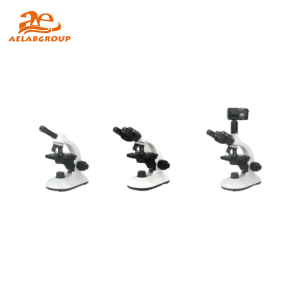
AELAB | Laboratory Equipment | Microscope
Microscopes remain essential tools for researchers, educators, and hobbyists, offering a window into the microscopic world of cells, tissues, and materials. From classroom learning to advanced nanotechnology research, microscopes enable precision observation and discovery. Understanding microscope types, features, and uses helps users select the right model for their scientific or educational needs.
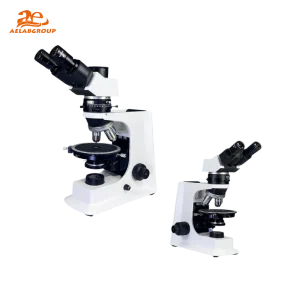
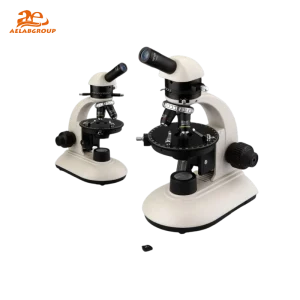
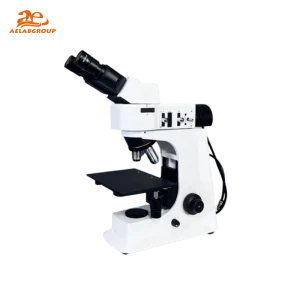
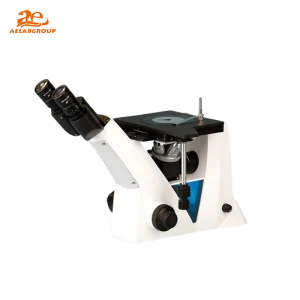
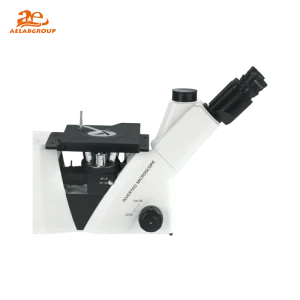
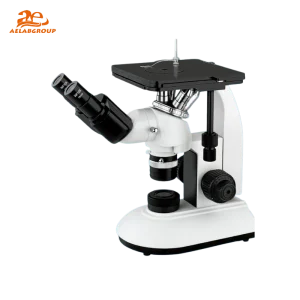
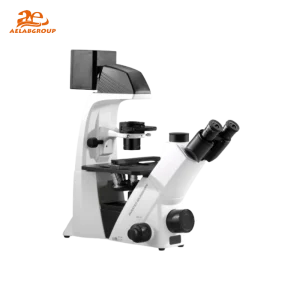
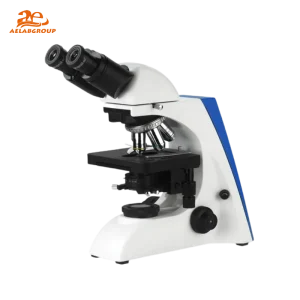
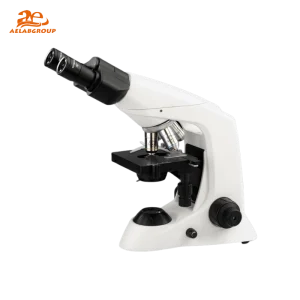
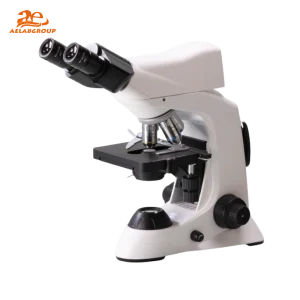
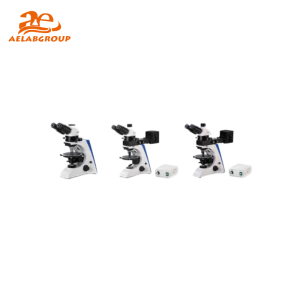
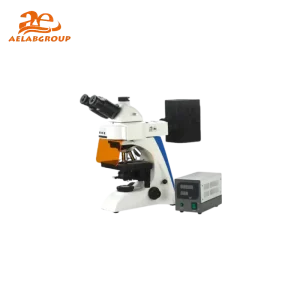
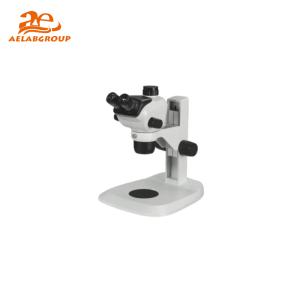
A microscope is an optical or electronic instrument designed to magnify small objects that cannot be seen clearly by the naked eye. Using light, lenses, or electron beams, microscopes produce detailed images of microscopic structures. The main categories include optical (light), electron, and digital microscopes, each offering distinct magnification and imaging capabilities.
| Feature | Details |
|---|---|
| Magnification Range | Typically 40× to 2000× for optical microscopes; up to 1,000,000× for electron microscopes |
| Resolution | Determines image clarity; higher resolution provides finer detail |
| Illumination | LED or halogen lighting; adjustable intensity and diaphragm control |
| Focusing Mechanism | Coarse and fine focus knobs for precise image adjustment |
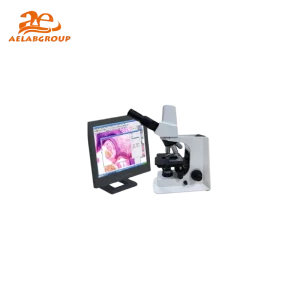
| Camera Integration | Digital cameras or USB connectivity for image capture and sharing |
| Stage Type | Mechanical or fixed stage with slide holders |
| Power Source | AC power or rechargeable battery options for portability |
| Build Material | Durable metal or polymer frame for vibration-free operation |
| Type | Pros | Cons |
|---|---|---|
| Optical Microscope | Affordable, easy to use, ideal for education | Limited magnification and resolution |
| Electron Microscope | Ultra-high resolution and magnification | Expensive, requires vacuum and maintenance |
| Digital Microscope | Live image capture, easy sharing, computer integration | May offer lower resolution than optical systems |
Q: What type of microscope is best for beginners?
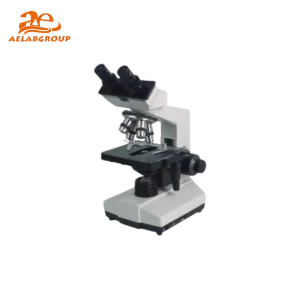
A: A compound light microscope is ideal for students and beginners due to its ease of use, affordability, and suitability for biological specimens.
Q: How do I clean microscope lenses properly?
A: Use lens paper or microfiber cloth with a small amount of lens cleaner; never use rough tissue or touch lenses with fingers.
Q: Can digital microscopes replace traditional optical models?
A: Digital microscopes are great for documentation and teaching but may not match the optical resolution of traditional systems for detailed analysis.
Q: What is the difference between SEM and TEM?
A: SEM produces 3D images of surfaces, while TEM reveals internal structures at the molecular or atomic level.
Looking for specific lab equipment? Fill out the form below, and our team will get back to you with detailed information and a personalized quote.