AELAB | Laboratory Equipment | Ultrasonic | Ultrasonic Cleaner
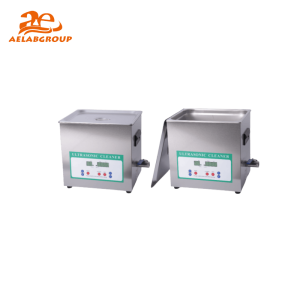
Ultrasonic cleaners have revolutionized the way delicate and intricate items are cleaned. By harnessing high-frequency sound waves, they deliver fast, thorough, and non-abrasive cleaning for jewelry, laboratory instruments, medical tools, and industrial parts. This advanced cleaning technology ensures efficiency, precision, and safety for a wide range of materials and applications.
An ultrasonic cleaner is a specialized cleaning device that uses high-frequency sound waves to agitate a liquid medium, generating microscopic bubbles. These bubbles collapse with powerful force, creating micro-scrubbing action that removes dirt, grease, and contaminants from immersed objects. Known as cavitation, this process is both gentle and effective, making ultrasonic cleaners ideal for items that require precision cleaning.
| Feature | Details |
|---|---|
| Frequency Range | 20–40 kHz (lower for heavy cleaning, higher for delicate items) |
| Power Output | 50–500 W (adjustable for different applications) |
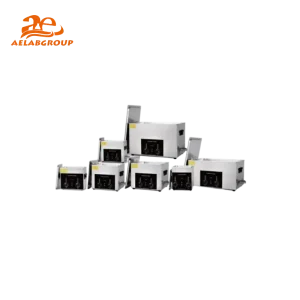
| Tank Capacity | 0.5 to 30 L depending on model size |
| Heating Function | Optional built-in heaters up to 80 °C for enhanced cleaning |
| Timer & Controls | Digital or analog timers (1–60 min) with temperature control |
| Construction | Stainless-steel tank with reinforced transducers |
| Cleaning Solution | Water-based or mild detergent formulations |
| Aspect | Ultrasonic Cleaner | Traditional Methods |
|---|---|---|
| Cleaning Time | Fast (minutes) | Slow (hours) |
| Effectiveness | Deep cleaning, reaches crevices | Limited, may miss small areas |
| Labor Requirement | Minimal, automated process | High, manual effort required |
| Damage Risk | Non-abrasive, gentle | Possible surface scratches |
| Eco-Friendliness | Uses mild detergents, low waste | Often uses strong chemicals |
Q: What can be cleaned in an ultrasonic cleaner?
A: Items such as jewelry, laboratory glassware, surgical tools, optical lenses, and metal components can be safely cleaned using appropriate solutions.
Q: Does ultrasonic cleaning damage delicate items?
A: No, when the correct frequency and power settings are used, ultrasonic cleaning is safe and non-abrasive for delicate materials.
Q: What frequency should I use for fine cleaning?
A: Frequencies above 40 kHz are ideal for precision cleaning of fragile or intricately designed items.
Q: Can I use any detergent in an ultrasonic cleaner?
A: No, always use cleaning solutions formulated for ultrasonic devices to avoid damaging the tank or reducing cavitation efficiency.
Looking for specific lab equipment? Fill out the form below, and our team will get back to you with detailed information and a personalized quote.