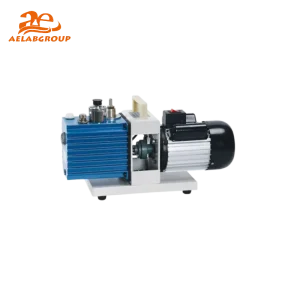
AELAB | Laboratory Equipment | Vacuum Pump
A vacuum pump removes gas molecules from a sealed volume to create a low-pressure environment for precise processes. From laboratories to HVAC and packaging lines, the right vacuum pump improves control, quality, and efficiency. This page explains how they work, key specs, types, and how to choose the best fit.
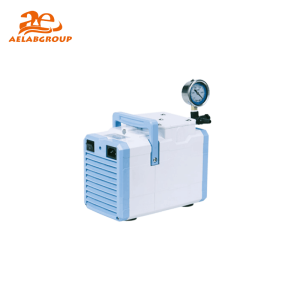
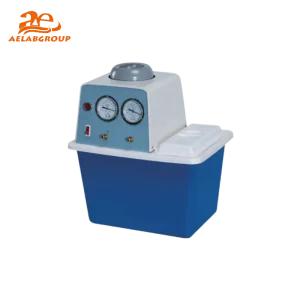
A vacuum pump is a device that evacuates air or gas from a closed system to reduce pressure below atmospheric levels. Using mechanical, rotary, or diffusion/turbomolecular mechanisms, it enables processes such as drying, degassing, contamination control, and instrument operation across research, clinical, and industrial environments.
| Feature | Details |
|---|---|
| Ultimate Pressure | Lowest achievable pressure (mbar or Torr), from rough to ultra-high vacuum depending on pump type |
| Pumping Speed | Gas throughput (e.g., L/min or m³/h); match to chamber volume and target evacuation time |
| Power Consumption | Watts/kW; consider energy efficiency for continuous duty applications |
| Noise Level | Operating sound (dB); critical for labs, clinical suites, and cleanrooms |
| Chemical Compatibility | Resistance to corrosive gases/solvent vapors; materials and seals must suit media |
| Lubrication Type | Oil-sealed (service required) vs. dry (low maintenance; no oil in compression path) |
| Connections | Inlet/outlet sizes and standards (e.g., KF, ISO, NPT) for system integration |
| Cooling & Control | Air- or water-cooled; speed control, gauges, and safety interlocks |
| Aspect | Vacuum Pumps | Air Compressors |
|---|---|---|
| Primary Function | Removes air to create a vacuum | Compresses air into a tank |
| Pressure Direction | Negative (below atmospheric) | Positive (above atmospheric) |
| Typical Applications | Evacuation, drying, packaging, instrumentation | Powering tools, inflating, pneumatic controls |
| Media Sensitivity | Often requires chemical compatibility and clean exhaust | Less sensitive; moisture/oil separators for air quality |
| Maintenance Profile | Oil checks/changes for sealed types; filters and leak checks | Tank drainage; filter and lubricant service |
Q: Which vacuum pump type should I choose for solvent evaporation?
A: Diaphragm or dry scroll pumps are preferred because they are oil-free and chemically resistant, reducing contamination and maintenance when handling solvent vapors.
Q: What does “ultimate pressure” mean?
A: It is the lowest stable pressure a pump/system can reach with no gas load. Compare ultimate pressure across models to ensure the pump meets your process vacuum level.
Q: How do vacuum pumps differ from air compressors?
A: Vacuum pumps remove air to create negative pressure for evacuation and drying, while compressors generate positive pressure to power tools or inflate systems.
Q: Are oil-sealed pumps acceptable in clean environments?
A: Yes, but they require proper trapping and maintenance to prevent backstreaming; oil-free (dry) technologies are often chosen when absolute cleanliness is critical.
Looking for specific lab equipment? Fill out the form below, and our team will get back to you with detailed information and a personalized quote.