AELAB | Laboratory Equipment | Vacuum Suction System
Vacuum suction systems are essential for industrial automation, medical operations, and precision handling. These systems create controlled negative pressure for lifting, fluid extraction, or debris removal. Understanding their components and applications helps professionals choose efficient, safe, and reliable solutions for any setting.
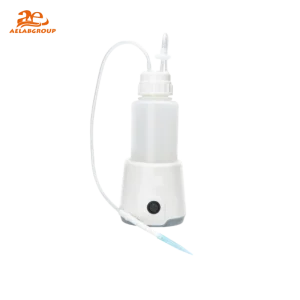
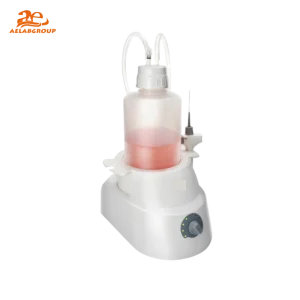
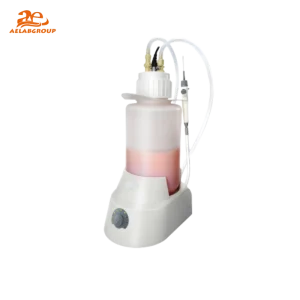
A vacuum suction system is a mechanical or electromechanical setup that generates negative pressure to draw air, fluids, or solids through suction. Typically composed of a vacuum pump or ejector, suction tools, tubing, and control components, these systems are used across industries for automation, medical, and maintenance purposes.
| Feature | Details |
|---|---|
| Vacuum Level | Adjustable from low to high vacuum; typically measured in mbar or Torr |
| Flow Rate | L/min or m³/h; defines suction strength and speed |
| Power Source | Electric vacuum pumps or pneumatic ejectors |
| Noise and Vibration | Low-noise models suitable for hospital and cleanroom environments |
| Material Compatibility | Designed for handling fluids, debris, or delicate materials safely |
| Filtration | HEPA or fine filters to prevent contamination and protect pumps |
| Control System | Integrated sensors, valves, and PLC-compatible interfaces |
| Aspect | Vacuum Suction System | Traditional Suction Devices |
|---|---|---|
| Suction Power | High and adjustable across applications | Typically limited and fixed |
| Automation Capability | Fully integrable with robotic and PLC systems | Manual or semi-automatic |
| Application Range | Industrial, medical, packaging, and cleaning | Limited to specific use cases |
| Maintenance | Lower, especially in modern dry or modular systems | Higher; frequent servicing required |
| Noise Level | Low-noise models available | Often louder operation |
Q: What is a vacuum suction system used for?
A: It generates negative pressure to lift, transfer, or remove materials, fluids, or debris in industrial automation, medical operations, and cleaning processes.
Q: How does a vacuum suction system differ from a standard vacuum cleaner?
A: Unlike consumer vacuums, these systems feature controllable vacuum levels, automation integration, and compatibility with specialized suction tools for industrial or medical use.
Q: What power source is best—electric or pneumatic?
A: Electric systems suit precise and continuous operation, while pneumatic ejectors are ideal for environments with compressed air and require fast, compact setups.
Q: How can I ensure the hygiene of a medical suction system?
A: Use sterilizable tubing, HEPA filters, and clean or replace disposable components after each use to maintain sterility and patient safety.
Looking for specific lab equipment? Fill out the form below, and our team will get back to you with detailed information and a personalized quote.