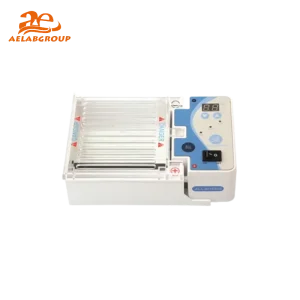
AELAB | Life Science Research | Electrophoresis Tank/Power Supply
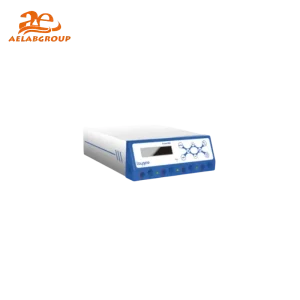
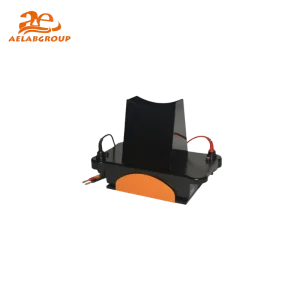
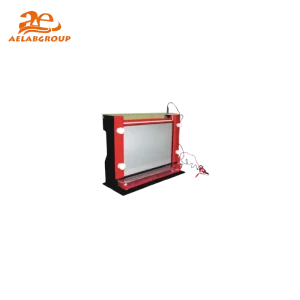
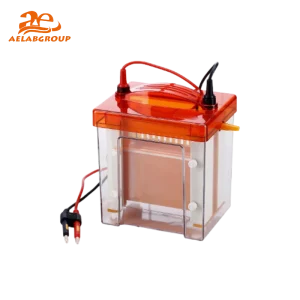
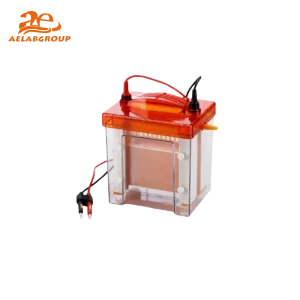
Electrophoresis Tank and Power Supply units are the core hardware behind reliable DNA, RNA, and protein separations. This guide explains how an Electrophoresis Tank and Power Supply work together, the key specifications that matter, and how to select a system that fits your laboratory’s throughput and safety requirements.
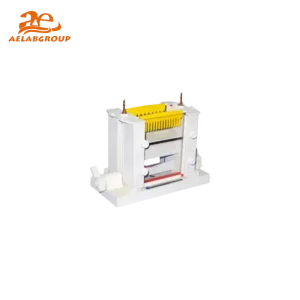
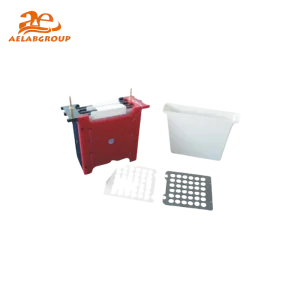
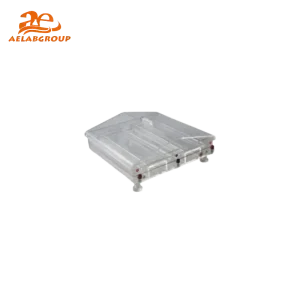
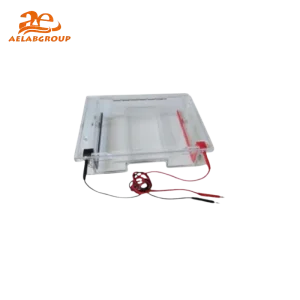
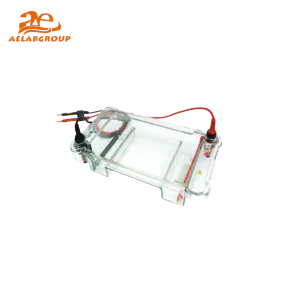
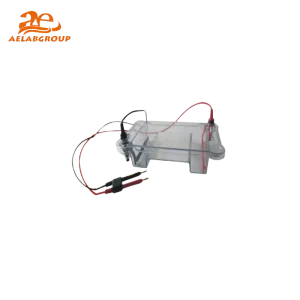
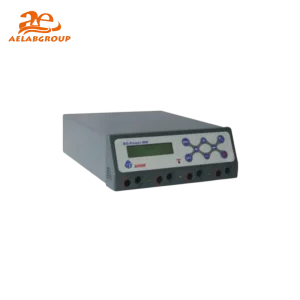
An electrophoresis tank (chamber) holds the gel and buffer to provide a stable medium for separation under an electric field, while the power supply delivers controlled voltage and current across the gel. Together they enable size- and charge-based migration for applications like DNA fingerprinting, RNA integrity checks, PCR product analysis, protein profiling (e.g., SDS-PAGE), and pharmaceutical quality control.
| Feature | Details |
|---|---|
| Tank Materials | Chemical-resistant acrylic or polycarbonate with leak-proof seals |
| Safety Lid & Interlock | Latching lid with power-off interlock to prevent electric shock |
| Cooling | Passive heat dissipation; optional recirculating or plate cooling for long/high-voltage runs |
| Compatibility | Supports multiple tray sizes, comb formats, and buffer volumes with level indicators |
| Voltage & Current Range | 0–300 V (or higher) with precise current limiting and constant V/I modes |
| Control & Programs | Timer, memory presets, step/ramp programs, programmable shutdown |
| Outputs | Single or multiple output channels for running several gels simultaneously |
| Data & Connectivity | Run logging with display interface; optional export for documentation and QA |
| Aspect | Electrophoresis Tank & Power Supply | Capillary Electrophoresis |
|---|---|---|
| Sample Types | DNA, RNA, and proteins on gels | Primarily DNA/RNA fragments in capillaries |
| Cost & Setup | Moderate cost; short setup | Higher cost; moderate setup |
| Resolution | High (gel-dependent) | Very high |
| Throughput | Medium; multiple gels with multi-channel PSUs | Low to medium |
| Use Case | Versatile, teaching to research; cost-effective QC | Precision sizing/fragment analysis |
Q: What voltage should I use for agarose gel electrophoresis?
A: A typical range is 80–150 V; lower voltages improve resolution but increase run time.
Q: Can one power supply run multiple electrophoresis tanks?
A: Yes, if it provides multiple output channels and adequate power; ensure each channel’s limits match your gel requirements.
Q: Is a cooling system necessary?
A: For high-voltage or long runs, cooling helps prevent gel distortion and buffer degradation, improving band quality.
Q: What common mistakes should I avoid?
A: Don’t run with low/dry buffer, avoid exceeding recommended voltage, cast gels evenly, and always record settings for reproducibility.
Looking for specific lab equipment? Fill out the form below, and our team will get back to you with detailed information and a personalized quote.