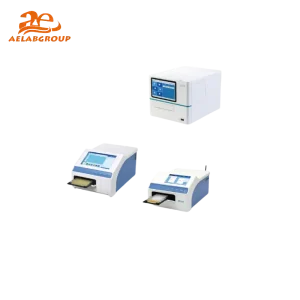
AELAB | Life Science Research | Elisa Microplate Reader/Washer
ELISA Microplate Readers and Washers are essential for high-precision immunoassays, enabling accurate signal detection and consistent plate washing. These instruments streamline workflows, improve reproducibility, and support high-throughput testing in clinical, pharmaceutical, and biotechnology labs. Selecting the right configuration safeguards data quality while maximizing efficiency.
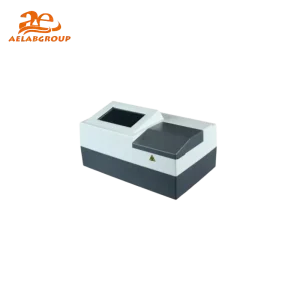
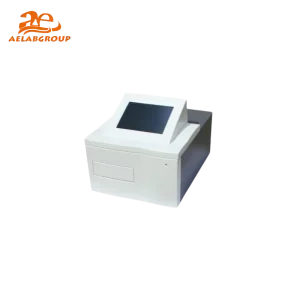
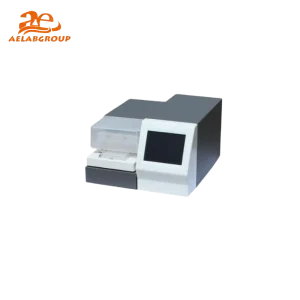
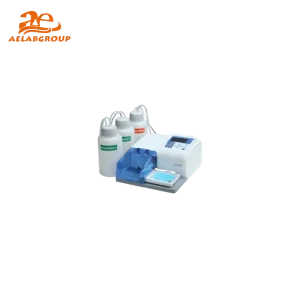
An ELISA microplate reader is a spectrophotometer optimized for microplates that measures absorbance at defined wavelengths to quantify analyte concentration. An ELISA microplate washer automates wash cycles to remove unbound material, reducing background and improving assay accuracy. Together, they deliver reliable, efficient ELISA performance across end-point and kinetic formats.
| Feature | Details |
|---|---|
| Wavelength Range (Reader) | 400–800 nm to cover common chromogenic substrates and reference measurements |
| Measurement Modes | End-point, kinetic, and multi-wavelength reads for curve fitting and background correction |
| Optical Performance | Resolution 0.001 OD; accuracy ±1.0% at 1.0 OD (model-dependent) |
| Light Source | Tungsten halogen lamp for stable visible-range illumination |
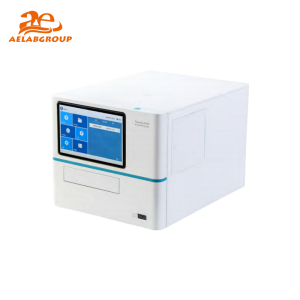
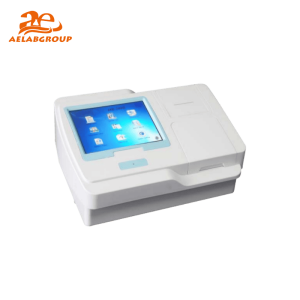
| User Interface & Data | 7” high-resolution LCD touchscreen; onboard storage; USB/RS232 and parallel printer interface |
| Plate Compatibility | 96-well standard (reader example LMMR-M101); washer supports 96- and 384-well formats |
| Washer Modes & Heads | Fast sequential, continuous, and bottom washing; interchangeable 96/384-well heads |
| Automation & Maintenance | Programmable protocols, robotic integration; self-cleaning and standby to prevent clogging |
| Footprint & Weight (Reader) | Approx. 460×350×497 mm; ~10 kg (model example) |
| Aspect | ELISA Microplate Readers & Washers | Manual Methods (Pipetting & Hand Washing) |
|---|---|---|
| Throughput | High—automated cycles and rapid reads | Low—operator limited |
| Accuracy & Consistency | High—programmable protocols minimize variability | Variable—operator dependent |
| Labor Intensity | Low—hands-free wash/read | High—repetitive manual steps |
| Initial Cost | High—capital equipment | Low—basic tools |
| Data Management | Integrated storage/export and analysis | Manual recording; higher error risk |
Q: What wavelength range do most ELISA microplate readers cover?
A: Typical readers span 400–800 nm, accommodating common chromogenic substrates and reference measurements.
Q: How do automated washers improve assay accuracy?
A: They deliver consistent wash volumes and patterns, efficiently removing unbound material to reduce background noise and variability.
Q: Can these systems integrate with robotics and LIMS?
A: Yes, many models support robotic loading and offer USB/RS232 or networked data export for LIMS integration.
Q: What are common trade-offs versus manual methods?
A: Automated systems require higher upfront investment and training but deliver superior throughput, consistency, and data traceability.
Looking for specific lab equipment? Fill out the form below, and our team will get back to you with detailed information and a personalized quote.