AELAB | Life Science Research | Fraction Collector/UV Analyzer
Fraction Collectors and UV Analyzers are integral components in modern analytical and biochemical laboratories. They enable precise collection, detection, and analysis of compounds during chromatographic separations, ensuring reproducibility and automation. This guide explores their principles, features, and applications, helping you make an informed decision for your laboratory setup.
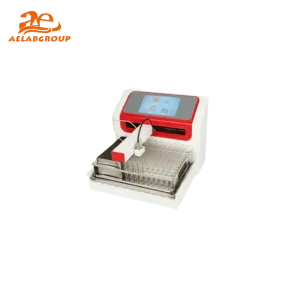
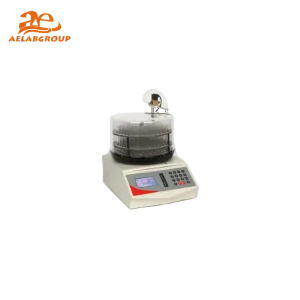
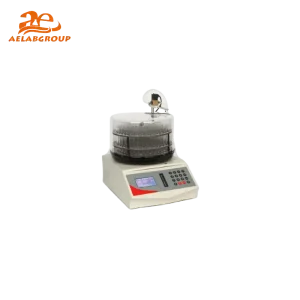
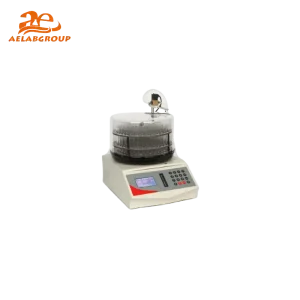
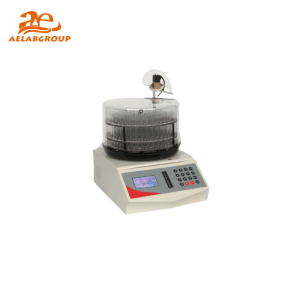
A Fraction Collector is an automated instrument that collects eluates (fractions) from chromatographic systems at predefined intervals or triggered by detector signals. It enables researchers to isolate specific compounds efficiently and reproducibly.
The UV Analyzer, or UV-Vis spectrophotometer, measures the absorbance of ultraviolet and visible light by a sample. It detects compound elution in chromatography systems by monitoring absorbance changes across specific wavelengths, often between 190–1100 nm.
In chromatography workflows, the UV Analyzer continuously monitors the eluent’s absorbance. When a compound peak appears, the Fraction Collector is triggered—either automatically or manually—to collect that specific portion. This synchronized process allows efficient compound separation, identification, and recovery without manual intervention.
| Feature | Details |
|---|---|
| Collection Control | Time, drop count, volume, or signal-based triggering |
| Rack Capacity | Holds 100–500 tubes or multiwell plates |
| Detection Range (UV) | 190–1100 nm (UV-Vis) |
| Detector Type | Photodiode array or single-wavelength detector |
| Integration | Interfaces with chromatography systems via RS232, USB, or LAN |
| Software | Peak detection, data logging, method programming, and LIMS export |
| Automation | Fully automated operation with real-time feedback |
| Feature | Fraction Collector + UV Analyzer | Manual Sampling | Mass Spectrometry |
|---|---|---|---|
| Automation | ✅ High | ❌ Low | ✅ High |
| Real-Time Detection | ✅ Yes | ❌ No | ✅ Yes |
| Cost | 💰 Moderate | 💸 Low | 💸💸 High |
| Ease of Use | ✅ User-Friendly | ⚠️ Time-Consuming | ❌ Complex Setup |
Q: Can I use a fraction collector with any HPLC system?
A: Most modern fraction collectors are compatible with HPLC, FPLC, and UPLC setups—check signal and tubing compatibility before integration.
Q: What wavelength range should I choose for UV detection?
A: Common ranges are 190–600 nm for UV and visible compounds. Adjust based on the analyte’s absorption maxima.
Q: How often should I clean or maintain these instruments?
A: Clean tubing and fraction trays after each run, and perform full system maintenance every 6–12 months, following manufacturer recommendations.
Q: Can a UV Analyzer replace a mass spectrometer?
A: No. UV analyzers offer real-time monitoring and quantification, but mass spectrometry provides molecular identification and structural information.
Looking for specific lab equipment? Fill out the form below, and our team will get back to you with detailed information and a personalized quote.