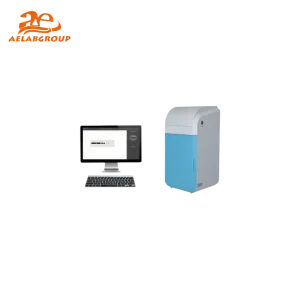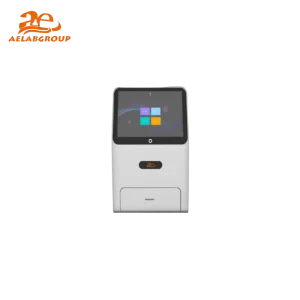
AELAB | Life Science Research | Gel & Chemiluminescence Imaging Analysis System
The Gel & Chemiluminescence Imaging Analysis System is essential for precise visualization, quantification, and documentation of nucleic acids and proteins. Designed for modern molecular biology and protein analysis, it delivers unmatched sensitivity, clarity, and reproducibility for gel electrophoresis, Western blots, and fluorescence assays. This guide covers its principles, advantages, and how to select the best system for your lab.
A Gel & Chemiluminescence Imaging Analysis System is a specialized device that captures and analyzes DNA, RNA, and protein samples after electrophoresis. Using fluorescence, colorimetric, or chemiluminescent detection, it provides digital, high-resolution images and quantitative band analysis for research and diagnostic applications.
| Feature | Specification |
|---|---|
| Camera Resolution | 4–8 megapixels or higher for fine detail capture |
| Detection Sensitivity | Low-picogram to femtogram detection limits |
| Light Sources | UV, blue, and white LED illumination for multiple detection modes |
| Image Output Formats | TIFF, JPEG, BMP for publication-ready data |
| Dynamic Range | 3–5 orders of magnitude for quantitative accuracy |
| Software Compatibility | Windows/Mac with advanced densitometry and reporting tools |
| Connectivity | USB, Ethernet, or cloud-enabled data storage and sharing |
| Criteria | Chemiluminescence System | X-ray Film |
|---|---|---|
| Sensitivity | Higher detection of faint bands | Lower sensitivity |
| Cost Over Time | Lower—no film or chemicals | Higher—requires film and reagents |
| Workflow | Fast digital capture | Manual and time-consuming |
| Quantification | Accurate and reproducible | Limited manual estimation |
| Reproducibility | Excellent across runs | Variable |
Q: What is the main advantage of a chemiluminescence imaging system over X-ray film?
A: Digital imaging provides higher sensitivity, better quantification, and eliminates film processing, saving time and cost.
Q: Can the same system be used for both DNA gels and Western blots?
A: Yes, hybrid systems support gel documentation, fluorescence, and chemiluminescence modes in one platform.
Q: How often should the imaging system be calibrated?
A: Calibration should follow manufacturer recommendations—typically every 6 to 12 months or after major software updates.
Q: What causes faint or blurry chemiluminescence bands?
A: Check the freshness of substrates, ensure even illumination, and optimize exposure settings and antibody concentrations.
Looking for specific lab equipment? Fill out the form below, and our team will get back to you with detailed information and a personalized quote.