AELAB | Life Science Research | Hematology Analyzer
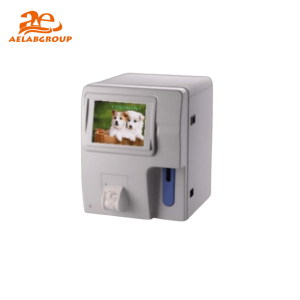
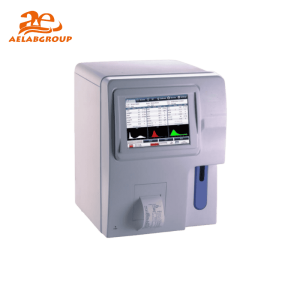
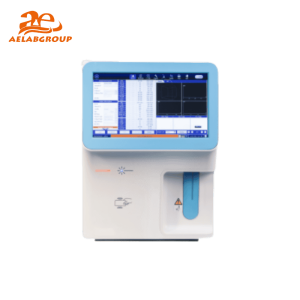
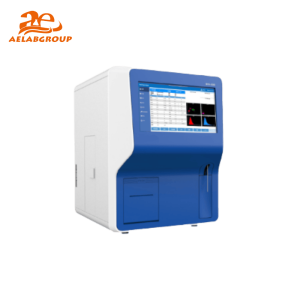
A Hematology Analyzer is central to modern CBC testing, delivering speed, accuracy, and automation for labs and clinics. These automated blood cell counters streamline workflows while reducing human error. This guide explains how Hematology Analyzer systems work, key specs, benefits, and how to choose the right model.
A hematology analyzer is a diagnostic instrument that performs Complete Blood Count (CBC) testing by automatically counting and classifying blood cells. Typical outputs include WBC, RBC, Hb, PLT, HCT, and MCV, with advanced systems reporting extended parameters (e.g., reticulocytes, NRBCs). These instruments use electrical impedance, flow cytometry, and laser scattering to deliver rapid, standardized results for hospitals, clinics, and research labs.
| Feature | Details |
|---|---|
| Measurement Principles | Electrical impedance, flow cytometry, and laser/light scattering |
| Parameters Measured | 3-part: ~18–22; advanced models up to 60+ (incl. reticulocytes, NRBCs) |
| Throughput | ~30–120 tests/hour (model dependent) |
| Sample Volume | Standard 10–20 μL; pediatric modes as low as ~5 μL |
| Interface & Connectivity | Touchscreen UI; LIS/EHR connectivity for data export |
| Data Storage | Onboard storage for tens of thousands of results (model dependent) |
| Flags & Alarms | Automatic abnormal/critical result flags; WBC differential alerts |
| Calibration & QC | Routine calibration monthly or per update; daily controls recommended |
| Aspect | Hematology Analyzer | Manual Microscopy |
|---|---|---|
| Speed | Fast, ~30–120 tests/hour | Slow, ~10–15 tests/hour |
| Accuracy & Consistency | High; standardized and automated | Operator dependent; variable |
| Objectivity | Objective classification & flags | Subjective; prone to bias |
| Skill Requirement | Low–moderate (operator training) | High (trained morphologist/pathologist) |
| Best Use Case | High-volume routine testing | Complex morphology review/confirmation |
Q: How often should I calibrate a hematology analyzer?
A: Calibration is typically performed monthly or after major software updates; follow the manufacturer’s protocol and verify with routine QC.
Q: What’s the difference between 5-part and 3-part analyzers?
A: A 5-part analyzer differentiates neutrophils, lymphocytes, monocytes, eosinophils, and basophils, providing higher diagnostic value for complex cases; 3-part systems group WBCs into three categories and suit routine testing.
Q: Are hematology analyzers suitable for pediatric use?
A: Yes. Many models support low sample volumes (as low as ~5 μL) and dedicated pediatric modes to preserve specimen.
Q: Do I still need manual microscopy if I have an analyzer?
A: For routine CBCs, the analyzer is sufficient; however, smear review by microscopy remains important for complex morphology or when flags indicate abnormalities.
Looking for specific lab equipment? Fill out the form below, and our team will get back to you with detailed information and a personalized quote.