AELAB | Life Science Research | Nucleic Acid Purification System
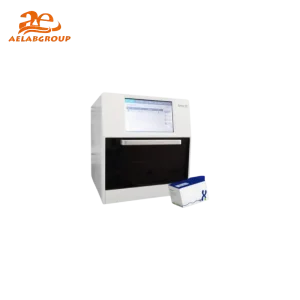
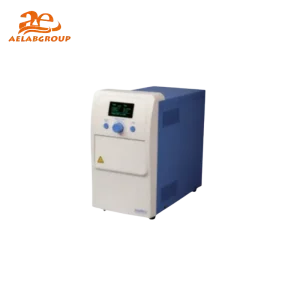
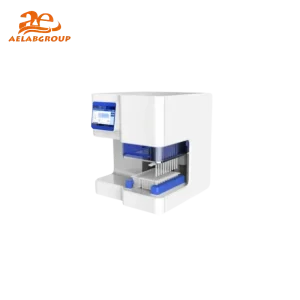
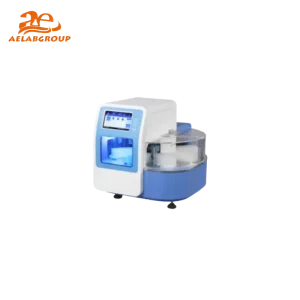
The Nucleic Acid Purification System is a cornerstone of modern molecular biology, enabling efficient extraction and purification of high-quality DNA and RNA for downstream applications such as PCR, sequencing, and cloning. These automated instruments ensure reproducibility, reduce contamination, and optimize workflows across research, clinical, and industrial laboratories. Selecting the right system enhances productivity and data reliability in any molecular biology setup.
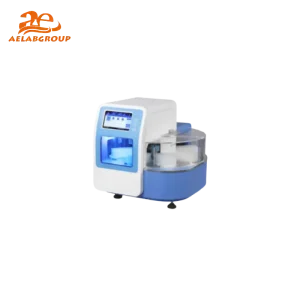
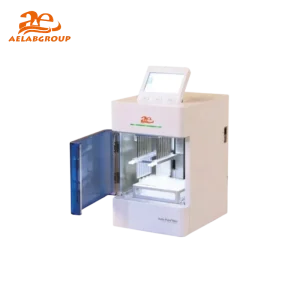
A Nucleic Acid Purification System is an automated instrument designed to extract DNA or RNA from biological samples including blood, cells, tissues, or environmental materials. It employs purification principles such as magnetic bead-based separation, silica membranes, or spin columns to isolate nucleic acids with high yield and purity. The process involves cell lysis, nucleic acid binding, washing away contaminants, and elution of purified DNA or RNA—ensuring consistent and contamination-free results.
| Feature | Details |
|---|---|
| Purification Principle | Magnetic bead-based, silica membrane, or spin column technology |
| Sample Compatibility | Blood, tissues, cultured cells, plants, and environmental samples |
| Throughput | Up to 96 or 192 samples per run depending on model |
| Automation Level | Fully automated with programmable workflows |
| Contamination Control | UV sterilization, HEPA filtration, and sealed reagent cartridges |
| Processing Time | 30–60 minutes per batch |
| Output Quality | High-purity DNA/RNA suitable for PCR, sequencing, and cloning |
| Interface | Touchscreen display with software integration and data export options |
| Aspect | Automated Nucleic Acid Purification System | Manual Purification Methods |
|---|---|---|
| Labor Requirement | Low; minimal hands-on time | High; extensive manual pipetting |
| Reproducibility | Highly consistent | Operator-dependent |
| Throughput | Processes multiple samples simultaneously | Limited to a few samples at a time |
| Contamination Risk | Minimal with sealed cartridges | Higher due to open handling |
| Cost Efficiency | Cost-effective long-term | Lower initial cost, higher labor expenses |
Q: What is the main advantage of automated nucleic acid purification?
A: Automation ensures consistent yields, minimizes contamination, and significantly reduces manual labor.
Q: Can one system purify both DNA and RNA?
A: Yes, many modern systems can handle both types with different protocols or reagent kits.
Q: Are these systems suitable for clinical diagnostics?
A: Absolutely. Many are IVD-certified and used in molecular diagnostic workflows such as viral load or genetic testing.
Q: How do magnetic bead-based systems differ from spin column systems?
A: Magnetic bead systems allow automation and high throughput, while spin column methods are more manual and suited for smaller-scale applications.
Looking for specific lab equipment? Fill out the form below, and our team will get back to you with detailed information and a personalized quote.