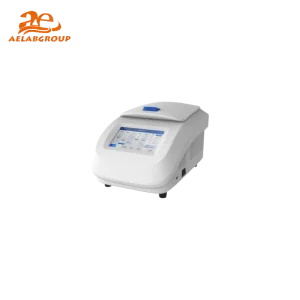
AELAB | Life Science Research | PCR/Real-time PCR /qPCR
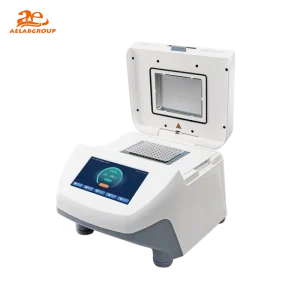
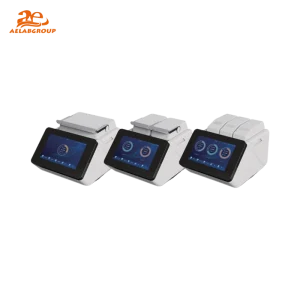
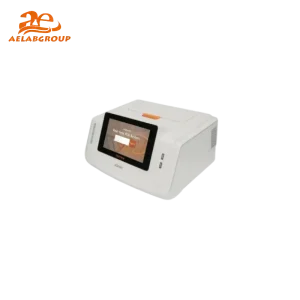
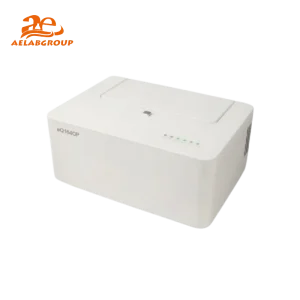
PCR (Polymerase Chain Reaction), real-time PCR, and qPCR are cornerstone technologies in molecular biology and diagnostics. These methods allow laboratories to detect, amplify, and quantify genetic material with exceptional precision. Whether used in clinical testing, research, or forensics, PCR-based technologies remain fundamental for accurate genetic analysis.
Polymerase Chain Reaction (PCR) is a molecular technique that exponentially amplifies a specific DNA sequence through repeated heating and cooling cycles. It includes three main steps: denaturation (strand separation), annealing (primer binding), and extension (DNA synthesis). Through 25–40 cycles, PCR generates millions of identical DNA copies for downstream analysis.
| Feature | Details |
|---|---|
| Output Type | PCR: Qualitative; qPCR: Quantitative |
| Detection Method | PCR: Gel electrophoresis; qPCR: Fluorescent dyes/probes |
| Throughput Speed | PCR: 2–3 hours; qPCR: 1–2 hours |
| Sensitivity | PCR: Moderate; qPCR: High |
| Fluorescent Dyes | SYBR Green, TaqMan probes, Molecular Beacons |
| Sample Type | DNA, cDNA, or RNA (after reverse transcription) |
| Connectivity | USB or LAN interface; data export to LIMS |
| Temperature Control | Precise thermal cycling (±0.2°C accuracy) |
| Aspect | PCR | Real-time PCR (qPCR) |
|---|---|---|
| Output | Qualitative (presence/absence) | Quantitative (real-time measurement) |
| Detection | Gel electrophoresis post-run | Fluorescence-based during amplification |
| Speed | 2–3 hours | 1–2 hours |
| Sensitivity | Moderate | High (detects low-abundance targets) |
| Cost | Lower instrument cost | Higher initial cost but higher throughput |
Q: Is qPCR better than traditional PCR?
A: qPCR provides real-time quantification of DNA or RNA and higher sensitivity, making it ideal for diagnostics and gene expression studies, while traditional PCR is sufficient for routine amplification and detection.
Q: Can qPCR be used for RNA analysis?
A: Yes. When combined with reverse transcription (RT-qPCR), it allows quantification of RNA by first converting it into cDNA.
Q: What’s the difference between SYBR Green and TaqMan probes?
A: SYBR Green binds to all double-stranded DNA and is cost-effective, while TaqMan probes offer high specificity by fluorescing only upon binding to the target sequence.
Q: What causes false positives in PCR?
A: Contamination with previously amplified DNA, non-specific primer binding, or cross-sample carryover can result in false positives. Use sterile techniques and negative controls to prevent this.
Looking for specific lab equipment? Fill out the form below, and our team will get back to you with detailed information and a personalized quote.