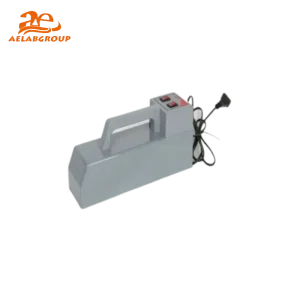
AELAB | Life Science Research | UV/Blue Light transsiluminater
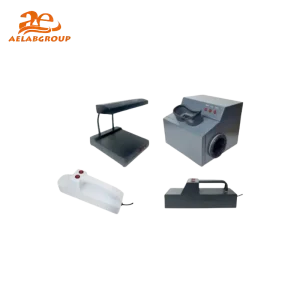
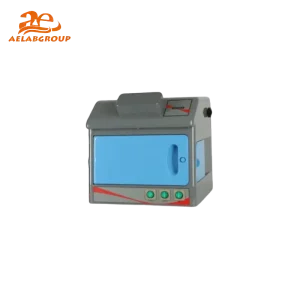
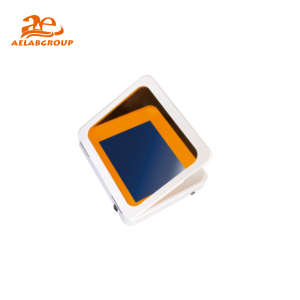
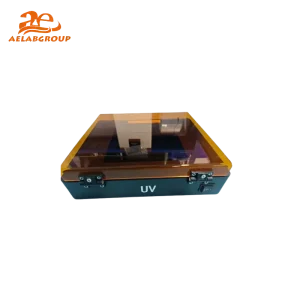
UV and Blue Light Transilluminators are essential tools in molecular biology for visualizing DNA and RNA after electrophoresis. These instruments enable researchers to detect nucleic acid bands stained with fluorescent dyes safely and effectively. Choosing between UV and blue light illumination depends on your dye, workflow, and safety priorities.
A UV or Blue Light Transilluminator is a device that emits ultraviolet (typically 302nm or 365nm) or visible blue light (~470nm) to visualize fluorescently labeled nucleic acids in gels. Common dyes such as ethidium bromide, SYBR Safe, or GelGreen bind to DNA and fluoresce under specific wavelengths, allowing clear visualization of DNA bands for analysis, quantification, or gel extraction.
| Feature | UV Transilluminator | Blue Light Transilluminator |
|---|---|---|
| Wavelength | 302 nm / 365 nm | ~470 nm |
| Compatible Dyes | Ethidium Bromide (EtBr) | SYBR Safe, GelGreen, SYBR Gold |
| Safety | Requires UV face shield or goggles | Eye-safe; minimal skin risk |
| DNA Damage | High (can nick or degrade DNA) | Low; preserves DNA integrity |
| Light Source | UV bulbs | LED array |
| Usage Longevity | Moderate lifespan | High (long LED lifespan, low heat) |
| Band Sharpness | High contrast | Moderate to high |
| Aspect | UV Light | Blue Light |
|---|---|---|
| DNA Damage | High (can degrade DNA) | Minimal; preserves DNA integrity |
| User Safety | Requires UV protection gear | Safe for eyes and skin |
| Compatible Dyes | Ethidium Bromide | SYBR Safe, GelGreen |
| Gel Heating | Moderate; may overheat | Stays cool (LED-based) |
| Cost | Lower initial cost | Slightly higher upfront; lower maintenance |
| Best Use Case | EtBr-stained gels; high contrast imaging | DNA-safe staining and gel purification |
Q: Is blue light as effective as UV for DNA visualization?
A: Yes, blue light transilluminators are effective when paired with dyes such as SYBR Safe or GelGreen and offer excellent clarity with reduced DNA damage.
Q: Can I use ethidium bromide with blue light transilluminators?
A: Technically yes, but EtBr fluoresces more strongly under UV. For blue light, it’s recommended to use dyes optimized for visible light excitation.
Q: Are blue light transilluminators worth the investment?
A: Absolutely. They are safer, energy-efficient, and ideal for teaching and research labs that emphasize user safety and sustainable practices.
Q: How can I protect DNA during band excision?
A: Use a blue light transilluminator to minimize UV-induced damage when cutting gel bands for cloning or sequencing applications.
Looking for specific lab equipment? Fill out the form below, and our team will get back to you with detailed information and a personalized quote.