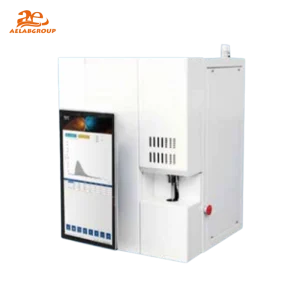
AELAB | Petroleum Testing Equipment | Sulphur Content Tester
A Sulphur Content Tester is an essential analytical instrument for ensuring clean fuel production, regulatory compliance, and industrial efficiency. By accurately measuring sulphur concentrations in fuels, lubricants, and other materials, these testers help industries meet environmental standards and optimize process performance in petroleum, chemical, and power sectors.
A Sulphur Content Tester—also called a sulphur analyzer or sulfur detector—quantifies total sulphur content in liquids, gases, and solids. It ensures fuels, oils, and petrochemicals comply with international standards such as ASTM D4294 and ISO 8754. This device plays a key role in fuel grading, emission control, and catalyst protection in refining and production environments.
| Feature | Details |
|---|---|
| Measurement Principle | XRF, UV fluorescence, or combustion with IR detection |
| Detection Range | 0.1 ppm to 10 wt% (sample dependent) |
| Sample Types | Liquids (fuels, lubricants), gases, solids (coal, catalysts) |
| Compliance Standards | ASTM D4294, ASTM D5453, ISO 8754, EPA, EN ISO 20846 |
| Accuracy | ±1–2% of reading (depending on concentration) |
| Analysis Time | 30 seconds to 5 minutes per sample |
| Interface | Touchscreen control with USB, LAN, or Bluetooth connectivity |
| Calibration | Uses Certified Reference Materials (CRM) or standard reference oils |
| Method | Best For | Pros | Cons |
|---|---|---|---|
| XRF | Oil, fuel, lubricants | Fast, non-destructive, minimal prep | Lower sensitivity at trace levels |
| UV Fluorescence | Ultra-low sulphur diesel | Highly sensitive for trace detection | Requires combustion and carrier gas |
| Combustion + IR | Solids, coal, heavy oils | Accurate and comprehensive analysis | Destructive and slower testing process |
Q: What is the purpose of sulphur testing in fuels?
A: Sulphur testing ensures fuels meet regulatory emission limits and prevents corrosion or catalyst damage in engines and refineries.
Q: Which standards govern sulphur content testing?
A: Common standards include ASTM D4294 (XRF), ASTM D5453 (UV Fluorescence), and ISO 8754 for petroleum and fuel analysis.
Q: What are the sulphur limits for fuels under global regulations?
A: EPA limits diesel to ≤15 ppm; IMO 2020 caps marine fuels at 0.5% sulphur; Euro 6 standards require ultra-low sulphur for vehicles.
Q: How do I choose between XRF and UV Fluorescence methods?
A: Use XRF for routine, non-destructive fuel testing and UV Fluorescence for ultra-low sulphur detection requiring higher sensitivity.
Looking for specific lab equipment? Fill out the form below, and our team will get back to you with detailed information and a personalized quote.