AELAB | Pharmaceutical Equipments | Gel Strength Tester
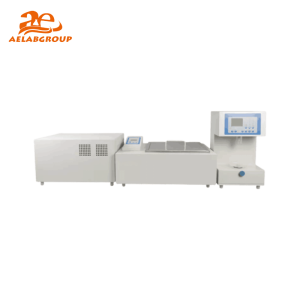
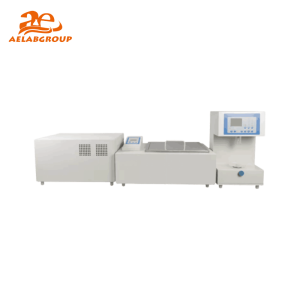
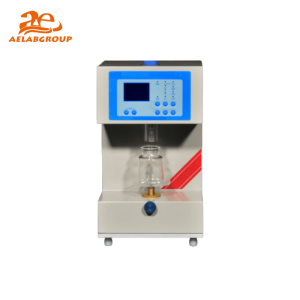
A Gel Strength Tester is a vital instrument for measuring the consistency, texture, and firmness of gel-based products. Whether in food, pharmaceutical, cosmetic, or biomedical industries, Gel Strength Testers ensure quality, stability, and compliance through accurate, repeatable testing of gel materials.
A Gel Strength Tester is a precision device that measures the firmness or rigidity of gels by applying a defined force and recording resistance. It quantifies the force required to rupture or deform a gel sample—expressed in grams or Newtons—providing objective data on gel consistency, stability, and performance across industries such as food, pharmaceuticals, and cosmetics.
| Feature | Details |
|---|---|
| Measurement Range | 0–1000 g or 0–10 N |
| Probe Types | Bloom plunger, cone, flat head |
| Penetration Depth | Typically 4 mm (Bloom Test) |
| Accuracy | ±0.5% or better |
| Output | Digital display, USB, RS232 interface |
| Temperature Control | Optional temperature-regulated chamber |
| Standards | Bloom Test, ASTM F2392, ISO cosmetic gel standards |
| Data Logging | Compatible with LIMS or dedicated analysis software |
| Aspect | Gel Strength Tester | Texture Analyzer |
|---|---|---|
| Primary Purpose | Measures gel firmness and rupture force | Measures a range of textural properties beyond gels |
| Output | Gel strength (g or N) | Force-distance or stress-strain curves |
| Complexity | Simpler and specialized for gel testing | More versatile but requires advanced setup |
| Calibration | Uses reference weights or gels | Uses load cells and multi-parameter calibration |
| Industry Use | Food, pharma, cosmetics | Food, packaging, materials science |
Q: What is Bloom strength?
A: Bloom strength measures gel firmness as the force required to press a standard plunger 4 mm into the gel. It is the industry standard for gelatin and similar materials.
Q: Can a Gel Strength Tester measure agar or pectin?
A: Yes. Ensure the probe type and measurement range are appropriate for the specific gel matrix and consistency.
Q: What factors affect gel strength readings?
A: Temperature, pH, gel concentration, and setting time can all influence the final measurement. Controlling these variables is crucial for accuracy.
Q: Is calibration important for gel testers?
A: Yes. Regular calibration using reference gels or certified weights ensures reliable, reproducible results and compliance with quality standards.
Q: Which industries benefit most from gel strength testing?
A: Food, pharmaceutical, cosmetic, and biomedical sectors all rely on gel strength testing to ensure texture, stability, and end-user satisfaction.
Looking for specific lab equipment? Fill out the form below, and our team will get back to you with detailed information and a personalized quote.