AELAB | Pharmaceutical Equipments | Melting Point Apparatus
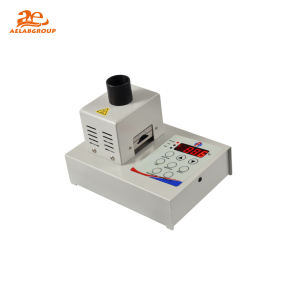
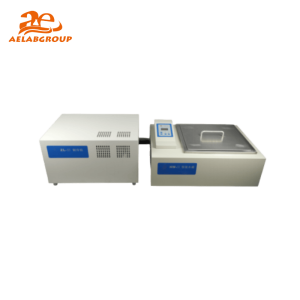
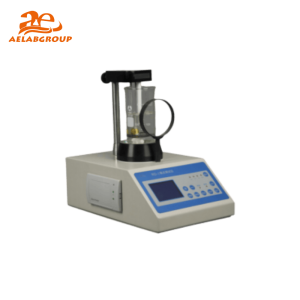
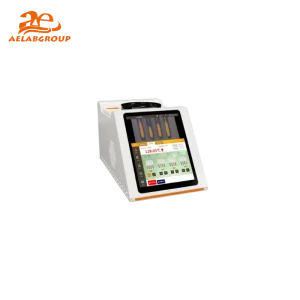
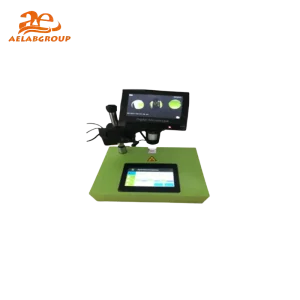
A Melting Point Apparatus enables accurate, reliable melting point determination for identification, purity assessment, and compliance in chemistry, pharmaceuticals, and materials science. It delivers reproducible results with controlled heating and clear visualization of onset-to-clear-point transitions.
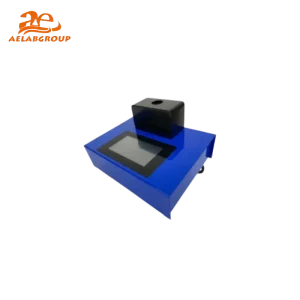
A Melting Point Apparatus is a laboratory instrument that measures the temperature at which a solid transitions to a liquid. Using a heated block or furnace and capillary tubes, it detects the start and completion of melting—supporting compound characterization, verification of identity, and assessment of purity across research, education, and quality control settings.
| Feature | Details |
|---|---|
| Temperature Range | Typically 20 °C to 400 °C |
| Accuracy | ±0.3 °C to ±1.0 °C (model dependent) |
| Heating Rate | Adjustable 0.1 °C/min to 20 °C/min |
| Observation Method | Manual viewing or digital camera with software |
| Sample Capacity | 1–3 capillary tubes simultaneously |
| Compliance | USP, Ph.Eur., ASTM D87, ISO 21461 support |
| Data & Connectivity | USB/SD storage, built-in memory, PC connectivity |
| Sensors | Thermocouple or RTD with closed-loop control |
| Aspect | Melting Point Apparatus | Boiling Point Equipment |
|---|---|---|
| Transition Measured | Solid → Liquid (onset & clear point) | Liquid → Gas (boiling temperature) |
| Typical Samples | Powders, crystalline solids | Liquids, solvents, mixtures |
| Primary Use | Purity testing & compound identification | Volatility assessment & distillation design |
| Accuracy Focus | ±0.1–1.0 °C | ±1–3 °C |
| Automation | Manual, digital, or fully automatic | Typically digital or manual boiling setups |
Q: How accurate are modern digital melting point apparatuses?
A: Many models achieve ±0.3 °C accuracy when properly calibrated and operated with consistent heating rates.
Q: Can a melting point apparatus be used for purity testing?
A: Yes. A broader melting range typically suggests impurities or residual solvents in the sample.
Q: What is the difference between melting point and melting range?
A: The melting point marks the onset of melting, while the melting range spans from the first sign of liquefaction to complete clarity.
Q: How often should I calibrate the device?
A: Calibrate every 3–6 months, or more frequently in regulated environments and high-throughput labs.
Looking for specific lab equipment? Fill out the form below, and our team will get back to you with detailed information and a personalized quote.