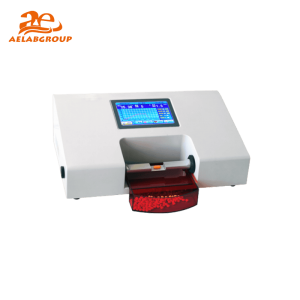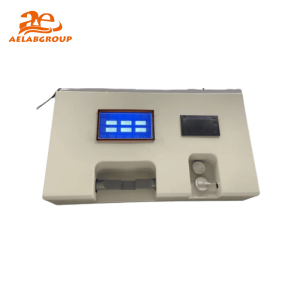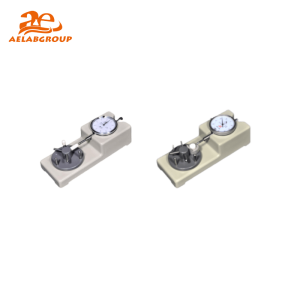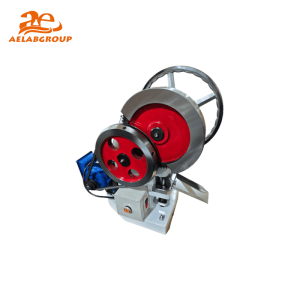
AELAB | Pharmaceutical Equipments | Tablet Hardness/Friability Tester
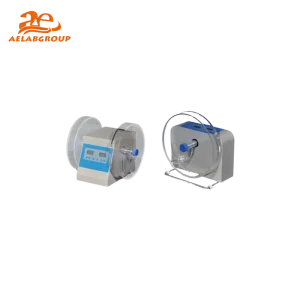
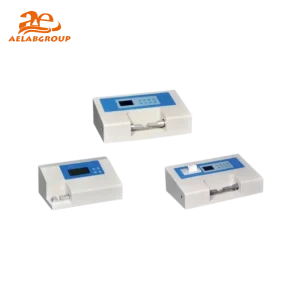
Tablet Hardness/Friability Testers are essential instruments in pharmaceutical quality control, ensuring tablets have the right mechanical strength and resistance to damage. These testers guarantee consistent tablet performance, compliance with pharmacopeial standards, and patient safety by monitoring critical physical parameters.
A Tablet Hardness/Friability Tester measures a tablet’s ability to resist mechanical stress such as crushing, chipping, and abrasion during handling and transportation. It ensures tablets are strong enough to maintain integrity but soft enough to dissolve appropriately, complying with USP, EP, JP, and IP pharmacopeia standards.
| Feature | Tablet Hardness Tester | Tablet Friability Tester |
|---|---|---|
| Measurement Range | 5–500 N or higher | 10–100 tablets capacity |
| Accuracy | ±1% | ±0.1% (weight loss) |
| Display | Digital LCD or touchscreen | Digital with auto-calculation |
| Speed/Pressure | Manual or programmable pressure | 25 ±1 rpm (standard) |
| Testing Duration | Instant per tablet | 4 minutes (standard USP) |
| Output Interface | USB, RS232, Ethernet | USB, RS232, LIMS-compatible |
| Compliance | USP <1217>, EP, JP, IP | USP <1216>, EP, JP, IP |
| Feature | Tablet Hardness/Friability Tester | Disintegration Tester |
|---|---|---|
| Purpose | Measures tablet strength and resistance to abrasion | Measures disintegration time in a liquid medium |
| Focus | Physical durability | Dissolution performance |
| Sample Damage | Tablet may break (hardness test) | Tablet fully disintegrates |
| Regulatory Standard | USP <1216>, <1217> | USP <701> |
| Application | Mechanical QC in production | Bioavailability testing |
Q: How often should I perform hardness or friability tests?
A: Typically once per batch or at regular intervals per your SOPs and pharmacopeial guidelines to ensure consistency.
Q: Can I test coated tablets for friability?
A: Yes, but account for coating effects on weight loss. Ensure coatings don’t peel excessively during testing.
Q: What’s the acceptable friability limit under USP?
A: The typical allowable tablet weight loss is ≤1% after a 4-minute, 25 rpm rotation test unless otherwise specified.
Q: What’s the difference between friability and abrasion testing?
A: Friability measures overall chipping and breakage under tumbling stress, while abrasion testing focuses only on surface wear resistance.
Q: Do automatic testers require frequent calibration?
A: All testers, including automated models, should be calibrated routinely using traceable standards to ensure measurement accuracy and compliance.
Looking for specific lab equipment? Fill out the form below, and our team will get back to you with detailed information and a personalized quote.