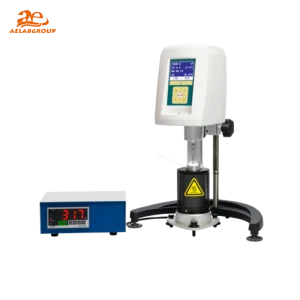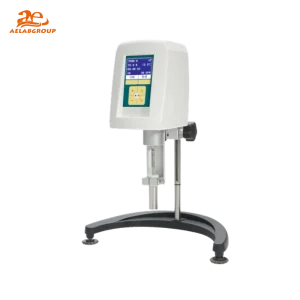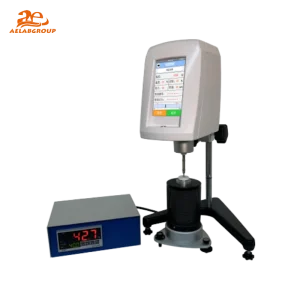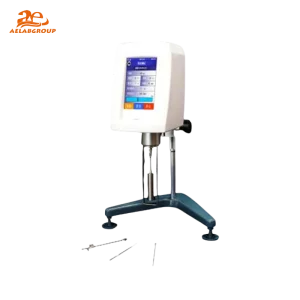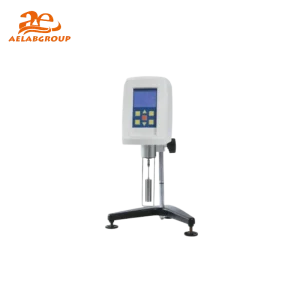
AELAB | Pharmaceutical Equipments | Viscometer
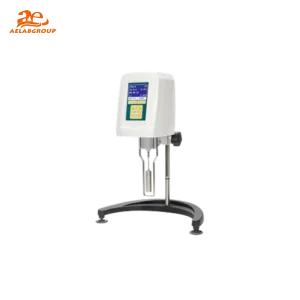
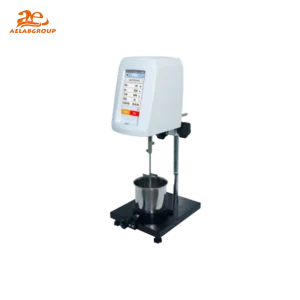
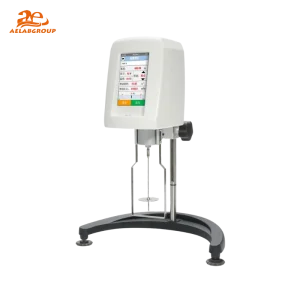
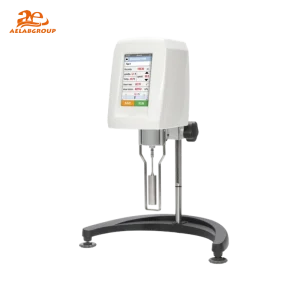
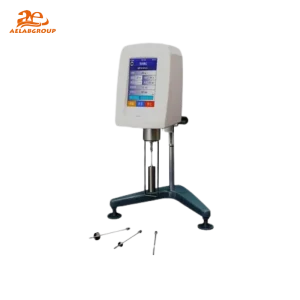
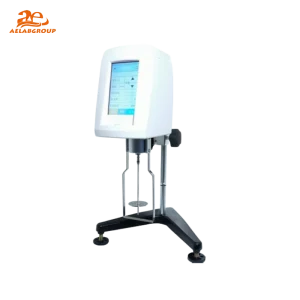
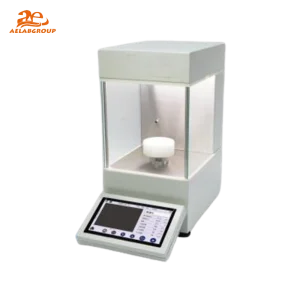
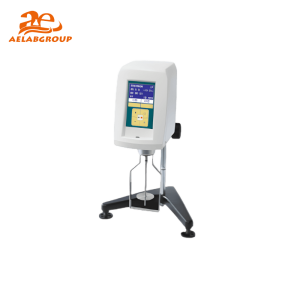
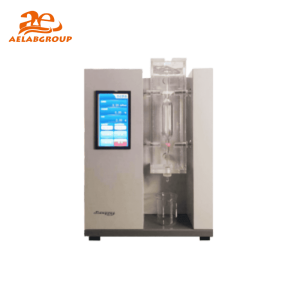
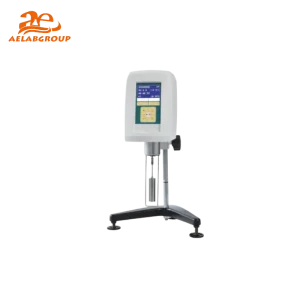
A viscometer is a precision viscosity measurement device used to determine a fluid’s resistance to flow. Whether testing motor oils, pharmaceutical syrups, paints, or chocolate, viscosity measurement ensures quality, performance, and consistency across industries. This guide explores how viscometers work, their types, applications, and how to choose the right model for your needs.
A viscometer (also called a viscosity tester) measures how thick or resistant a liquid is when it flows. It is an essential laboratory and industrial tool used for quality control and product formulation. Viscometers are found in pharmaceuticals, food and beverage, petrochemicals, cosmetics, and material science laboratories to evaluate Newtonian and non-Newtonian fluids under controlled conditions.
| Feature | Details |
|---|---|
| Viscosity Range | 1 cP to 10,000,000 cP (model dependent) |
| Measurement Principle | Rotational, capillary, falling ball, or vibrational |
| Temperature Control | Integrated or external thermostatic bath (±0.1 °C accuracy) |
| Display | Digital LCD/Touchscreen with real-time readings |
| Data Logging | USB, SD, or PC interface with reporting software |
| Calibration | Auto or manual calibration with viscosity standards |
| Sample Volume | From 0.5 mL (micro-sample) to 500 mL |
| Compliance | ASTM D445, ISO 3104, USP, GMP/GLP |
| Aspect | Viscometer | Rheometer |
|---|---|---|
| Measurement Scope | Measures viscosity at a single shear rate | Analyzes full flow behavior (viscosity, shear stress, elasticity) |
| Complexity | Simple, fast quality checks | Advanced analysis for R&D |
| Applications | Routine QC and process control | Polymer science, material characterization |
| Cost | Lower investment | Higher cost and training required |
| Output | Viscosity value in cP or mPa·s | Comprehensive rheological curve |
Q: What does a viscometer measure?
A: It measures a fluid’s viscosity—the resistance it offers to flow under defined conditions—expressed in centipoise (cP) or mPa·s.
Q: What’s the difference between capillary and rotational viscometers?
A: Capillary viscometers measure flow time of Newtonian fluids through a tube, while rotational viscometers determine torque resistance on a spinning spindle—ideal for non-Newtonian materials.
Q: Can viscometers measure very thick materials?
A: Yes. Rotational and vibrational models can measure viscosities up to millions of centipoise, suitable for gels, creams, and lubricants.
Q: How often should a viscometer be calibrated?
A: Most laboratories calibrate monthly or before critical test series, depending on frequency of use and regulatory requirements.
Q: Are digital viscometers better than manual ones?
A: Digital viscometers offer automated control, data logging, and greater precision, making them ideal for research and regulated environments.
Looking for specific lab equipment? Fill out the form below, and our team will get back to you with detailed information and a personalized quote.