AELAB | Themostat Equipment | BOD/Mold Incubator
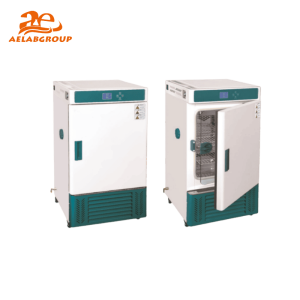
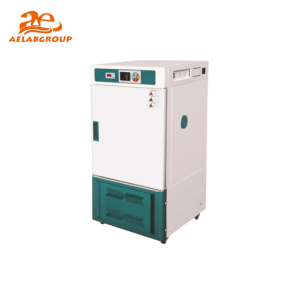
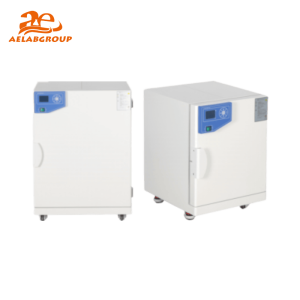
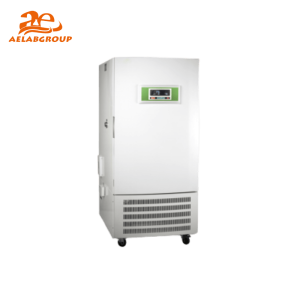
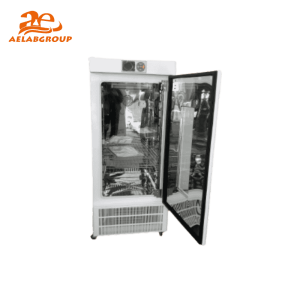
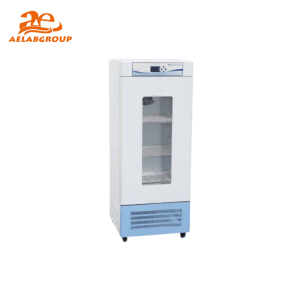
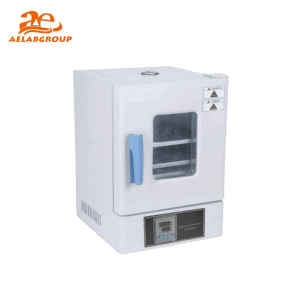
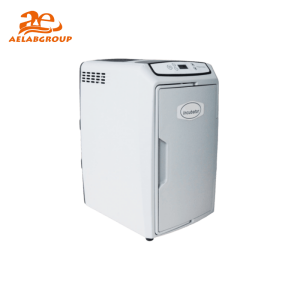
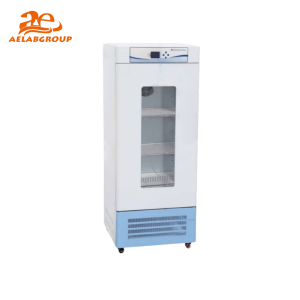
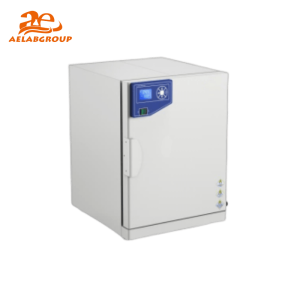
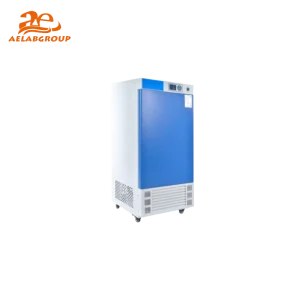
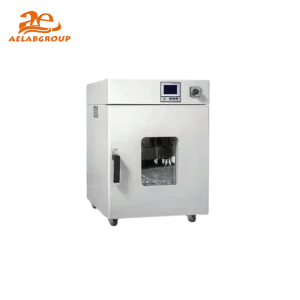
A BOD/Mold incubator provides precise low-temperature control for biochemical oxygen demand analysis and mold cultivation. These instruments deliver stable conditions for extended studies in environmental, industrial, and research labs. Choose a BOD/Mold incubator when accuracy, consistency, and documented control are critical.
A BOD (Biochemical Oxygen Demand)/Mold incubator is a specialized low-temperature lab incubator designed to maintain stable conditions—typically 5°C to 60°C—for BOD testing in water analysis and for cultivating molds, fungi, yeasts, and other microorganisms that prefer ambient or below-ambient temperatures. These units commonly use compressor-based refrigeration with PID control to ensure reproducible results over multi-day runs.
| Feature | Details |
|---|---|
| Temperature Range | Typically 5°C–60°C (model-dependent) |
| Control Accuracy | PID control; ±0.1°C to ±0.5°C stability |
| Cooling System | Compressor-based refrigeration to maintain low setpoints (≈5°C) |
| Chamber Construction | Stainless steel interior, double-walled insulation, optional glass inner door |
| Illumination (Mold) | LED/fluorescent lighting; programmable light/dark cycles |
| Uniformity & Vibration | Chamber uniformity prioritized; low-noise, anti-vibration design |
| Controls & Interface | Digital/touchscreen controls; alarms for out-of-range temperature |
| Connectivity & Logging | USB/RS232 ports; data logging for long-term studies |
| Cleanability | Smooth stainless surfaces for easy disinfection; mold-resistant interior |
| Aspect | BOD/Mold Incubator | Standard Lab Incubator |
|---|---|---|
| Temperature Range | 5°C–60°C | ≈25°C–70°C |
| Cooling System | Compressor-based refrigeration | Usually none (heating only) |
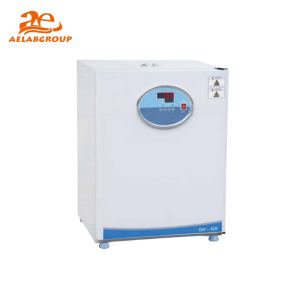
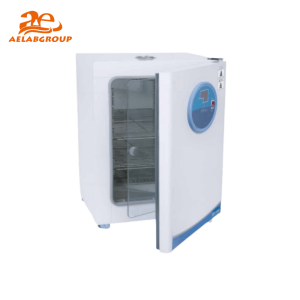
| Primary Applications | BOD tests; mold/fungi cultivation | General microbial growth at warm temps |
| Light Simulation | Optional LED/fluorescent with cycles | Rare |
| Cost | Higher (cooling & controls) | Moderate |
Q: What temperature range do BOD/Mold incubators typically support?
A: Most models operate from about 5°C to 60°C, enabling below-ambient BOD testing and ambient mold/fungal growth.
Q: Do I need interior lighting for mold incubation?
A: If you are simulating diurnal cycles or promoting sporulation, choose a unit with LED/fluorescent lighting and programmable light/dark schedules.
Q: How can I prevent contamination and mold overgrowth?
A: Disinfect the chamber regularly, use sealed containers for BOD tests, and clean after each fungal run to limit cross-contamination.
Q: What causes temperature inconsistency during long tests?
A: Frequent door openings and lack of calibration are common causes; minimize access and verify performance with a certified thermometer and data logs.
Looking for specific lab equipment? Fill out the form below, and our team will get back to you with detailed information and a personalized quote.