AELAB | Themostat Equipment | CO2 Incubator
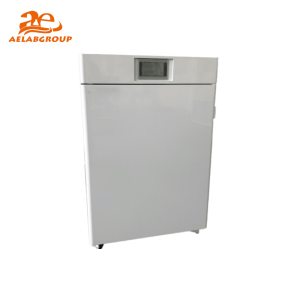
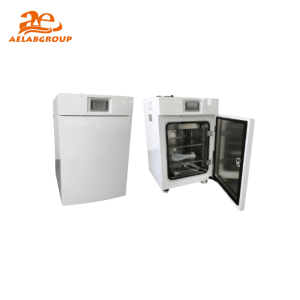
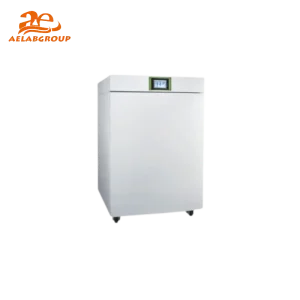
A CO₂ incubator is a cornerstone of modern biological and clinical research, providing precise environmental control for cell and tissue cultures. By maintaining accurate temperature, humidity, and CO₂ concentration, these incubators replicate physiological conditions—crucial for mammalian cell growth, IVF, and microbial studies.
A CO₂ incubator is a specialized laboratory device that maintains an optimal atmosphere for cell and tissue culture. Typically, it regulates temperature at 37°C, humidity at about 95%, and CO₂ levels around 5% to simulate the body’s internal environment. These parameters ensure stable pH, prevent media evaporation, and support healthy cellular function for extended experiments.
| Feature | Details |
|---|---|
| Temperature Range | Ambient +5°C to 55°C |
| Temperature Uniformity | ±0.2°C for consistent cell growth |
| CO₂ Range | 0%–20%, typically maintained at 5% |
| CO₂ Sensor Type | Infrared (IR) or Thermal Conductivity (TC) |
| Relative Humidity | Up to 95% via humidity pan or active control |
| Contamination Control | HEPA filtration, UV sterilization, or antimicrobial coatings |
| Chamber Construction | Polished stainless steel with rounded corners for easy cleaning |
| Data Logging | Digital recording with alarms for temperature and gas deviation |
| Aspect | CO₂ Incubator | Standard Incubator |
|---|---|---|
| CO₂ Control | Yes, maintains 5% CO₂ for pH balance | No CO₂ regulation |
| Humidity Regulation | High (~95%) | Variable, often low |
| Application | Cell culture, IVF, tissue engineering | General microbiology and incubation |
| Precision | High with digital sensors | Moderate with basic controls |
| Cost | Higher due to gas and sensor systems | Lower, basic operation |
Q: What is the purpose of a CO₂ incubator?
A: It provides controlled temperature, humidity, and CO₂ levels to support the growth of mammalian cells, tissues, and microorganisms in laboratory research.
Q: Why is 5% CO₂ important in cell culture?
A: The 5% CO₂ maintains the bicarbonate buffering system in cell culture media, keeping pH around 7.2–7.4, which is ideal for mammalian cell growth.
Q: Which is better: water-jacketed or direct-heat CO₂ incubators?
A: Water-jacketed models offer superior temperature uniformity and recovery, while direct-heat designs are lighter and easier to maintain.
Q: How do I prevent contamination in a CO₂ incubator?
A: Use HEPA filters or UV sterilization, clean the chamber regularly, and maintain sterile water in humidity pans to prevent microbial growth.
Q: How often should I calibrate CO₂ sensors?
A: Calibration should be performed every 3–6 months, or as specified by the manufacturer, to ensure accurate gas control.
Looking for specific lab equipment? Fill out the form below, and our team will get back to you with detailed information and a personalized quote.