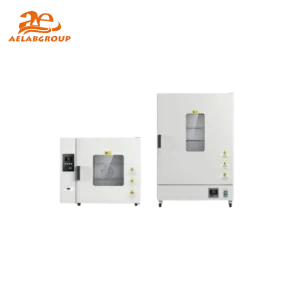
AELAB | Themostat Equipment | Dry Oven/Vacuum Oven
In laboratory environments, choosing the right oven can define the accuracy, efficiency, and safety of your processes. Both Dry Ovens and Vacuum Ovens are essential for heating, curing, and drying materials—but each serves distinct purposes. Understanding their differences helps ensure optimal sample integrity and workflow performance.
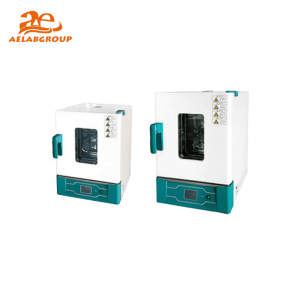
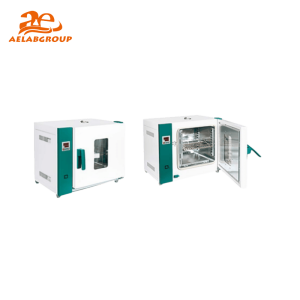
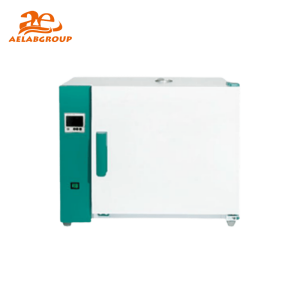
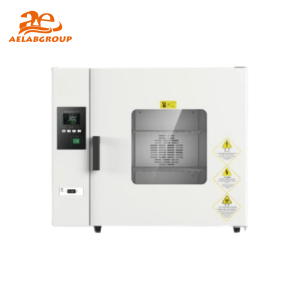
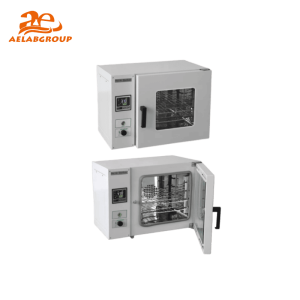
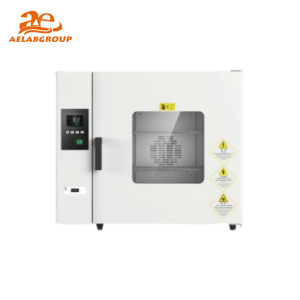
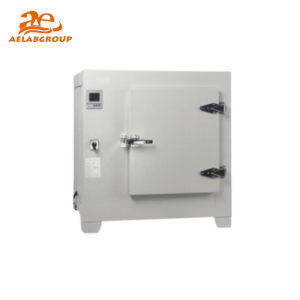
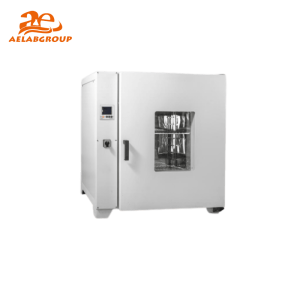
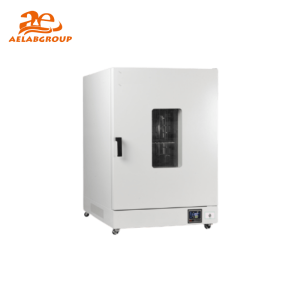
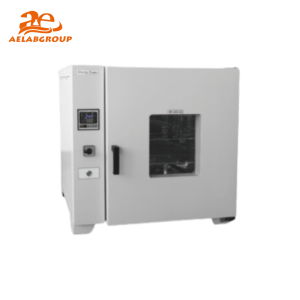
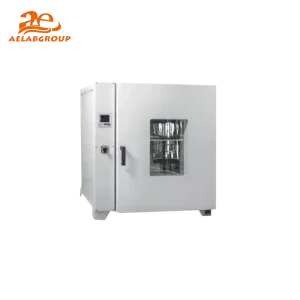
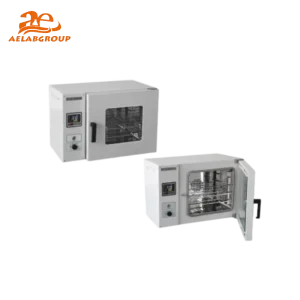
A Dry Oven, also known as a convection drying oven, heats and dries samples at atmospheric pressure through natural or forced air convection. It’s a staple for general-purpose laboratory drying and sterilization tasks. With temperature ranges typically from 50°C to 300°C, dry ovens are ideal for drying glassware, curing materials, and sterilizing instruments.
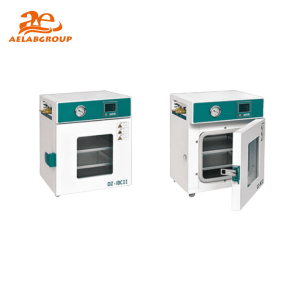
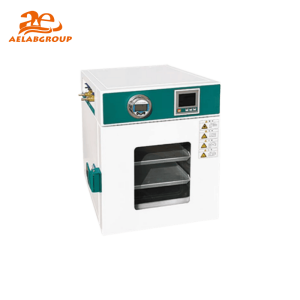
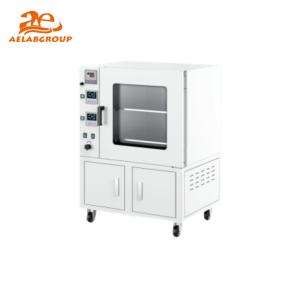
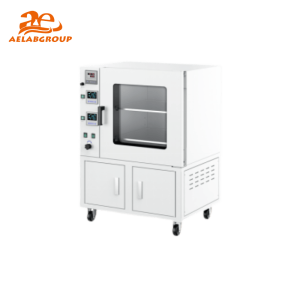
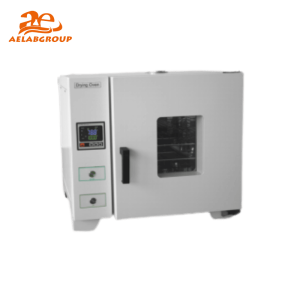
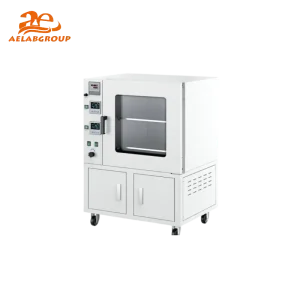
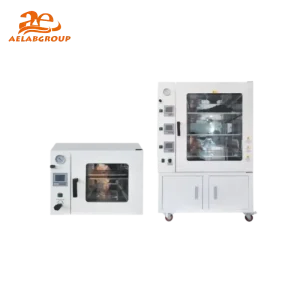
A Vacuum Oven is designed to dry materials under reduced pressure, lowering the boiling point of liquids to enable gentle drying at lower temperatures. This makes it ideal for heat-sensitive, solvent-based, or oxidation-prone samples. Common temperature ranges are 40°C–200°C, with vacuum levels reaching 1 mbar or lower. Vacuum ovens are widely used in pharmaceutical, electronic, and chemical applications where sample preservation is critical.
| Feature | Dry Oven | Vacuum Oven |
|---|---|---|
| Temperature Range | 50°C – 300°C | 40°C – 200°C |
| Pressure | Atmospheric | 1 mbar or lower |
| Heating Method | Natural or forced air convection | Radiant or conductive under vacuum |
| Airflow Type | Horizontal or vertical airflow | Sealed chamber, no airflow |
| Control Type | Digital or analog PID controller | Digital PID with vacuum gauge control |
| Safety Features | Overheat protection, door interlock | Vacuum relief valve, overtemp alarm |
| Typical Applications | Glassware drying, sterilization, material curing | Solvent removal, low-temp drying, oxidation prevention |
| Aspect | Dry Oven | Vacuum Oven |
|---|---|---|
| Pressure | Atmospheric | Sub-atmospheric |
| Heat-Sensitive Sample Suitability | Limited | Excellent |
| Drying Speed | Moderate to slow | Faster (especially for solvents) |
| Risk of Oxidation | Higher | Minimal |
| Sample Integrity | Moderate | High |
| Cost & Maintenance | Low and simple | Higher cost; moderate maintenance |
Q: What is the main difference between a dry oven and a vacuum oven?
A: A dry oven heats samples using air convection at atmospheric pressure, while a vacuum oven operates under reduced pressure to dry heat-sensitive materials at lower temperatures without oxidation.
Q: Which oven should I use for solvent-rich materials?
A: A vacuum oven is recommended since it allows solvent removal at low temperatures and minimizes the risk of ignition or degradation.
Q: How do I ensure even drying in a dry oven?
A: Use perforated trays, avoid overloading, and ensure proper airflow circulation within the chamber.
Q: How often should vacuum oven seals be checked?
A: Inspect door gaskets and vacuum seals before each use and replace them periodically to maintain airtight conditions.
Looking for specific lab equipment? Fill out the form below, and our team will get back to you with detailed information and a personalized quote.