AELAB | Themostat Equipment | Heating Mantle/Water Bath
Choosing between a heating mantle and a water bath is essential for achieving accurate, safe, and efficient heating in the lab. These two devices serve different thermal needs—from high-temperature chemical synthesis to gentle biological incubation. Understanding their mechanisms, applications, and limitations ensures optimal performance and sample integrity in every experiment.
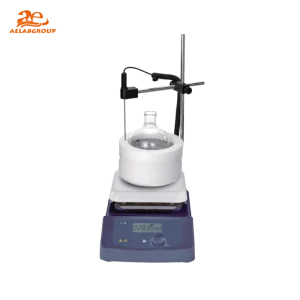
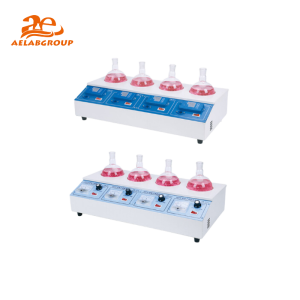
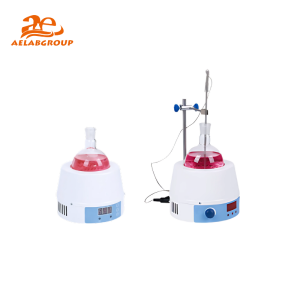
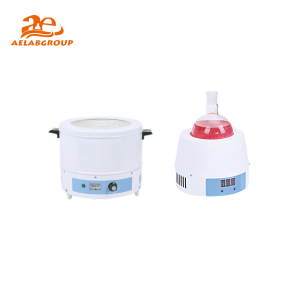
A Heating Mantle is a laboratory device designed to apply uniform, direct heat to glassware, typically round-bottom flasks. It eliminates the risk of glass breakage caused by open flames or uneven surfaces. Heating mantles are widely used in chemistry labs for controlled high-temperature reactions and solvent evaporation.
Common Uses: Reflux reactions, distillation, sample digestion, and evaporation of volatile solvents.
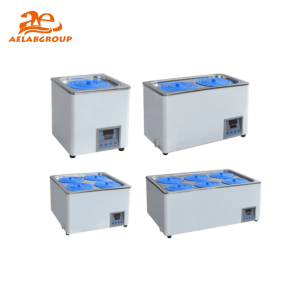
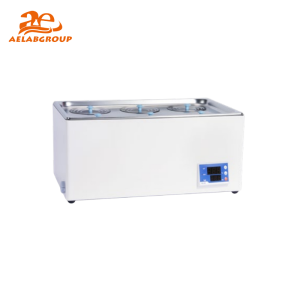
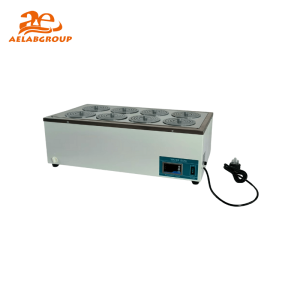
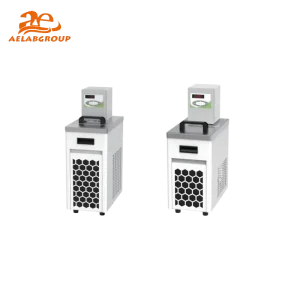
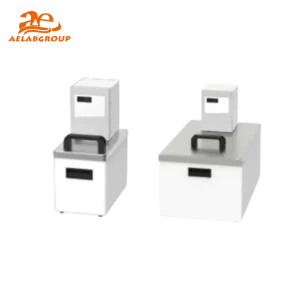
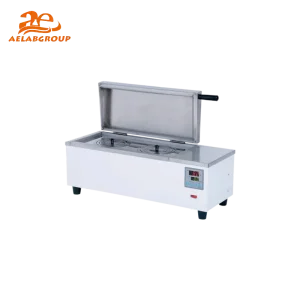
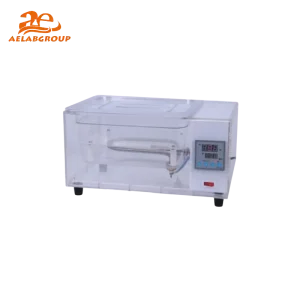
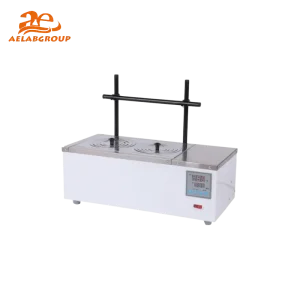
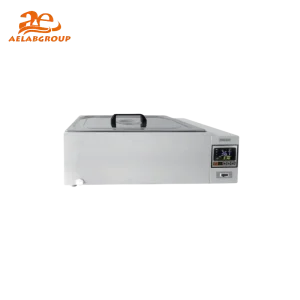
A Water Bath is a temperature-controlled vessel that heats samples indirectly through hot water. It is ideal for gentle and uniform heating, especially when working below boiling point temperatures. Water baths are essential in biology, chemistry, and analytical labs for maintaining constant temperatures during sensitive experiments.
Common Uses: Enzyme and cell culture incubation, melting point analysis, thawing reagents, and gentle sample warming.
| Feature | Heating Mantle | Water Bath |
|---|---|---|
| Heating Method | Direct conductive heating | Indirect water-based heating |
| Temperature Range | Up to 450°C | Ambient to ~100°C |
| Control Type | Digital PID or analog knob | Analog or digital thermostat |
| Precision | High (±1°C or better) | Moderate to high (±0.5°C with advanced controllers) |
| Container Compatibility | Round-bottom flasks | Beakers, tubes, and sealed containers |
| Safety Features | Overheat protection, fuse safety | Overheat alarms, low-water cutoff |
| Aspect | Heating Mantle | Water Bath |
|---|---|---|
| Heating Method | Direct, conductive heating | Indirect, water-based heating |
| Temperature Range | Up to 450°C | Ambient to 100°C |
| Ideal Applications | Chemical synthesis, reflux, distillation | Biological incubation, reagent warming |
| Sample Compatibility | Round-bottom flasks | Beakers, tubes, sealed vessels |
| Risk of Contamination | Low (no medium) | Medium (water contact possible) |
| Cost & Maintenance | Moderate | Low |
Q: What is the main difference between a heating mantle and a water bath?
A: A heating mantle provides direct, high-temperature heating for round-bottom flasks, while a water bath offers gentle, indirect heating for biological or low-temperature samples.
Q: Can a water bath replace a heating mantle?
A: No. Water baths are limited to about 100°C, making them unsuitable for high-temperature chemical reactions that require a heating mantle.
Q: How can I prevent overheating with a heating mantle?
A: Always use a temperature controller or thermostat with your heating mantle and never operate it unattended.
Q: How should I maintain my water bath for accuracy?
A: Keep water levels consistent, use distilled water, clean regularly, and calibrate temperature controls as recommended.
Looking for specific lab equipment? Fill out the form below, and our team will get back to you with detailed information and a personalized quote.