AELAB | Themostat Equipment | Heating Mantle/Water Bath | Water Bath
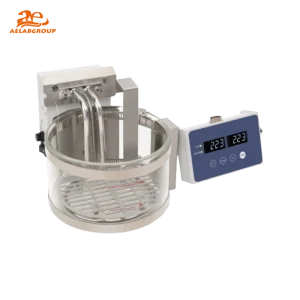
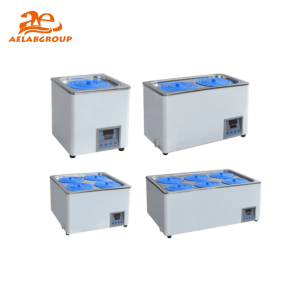
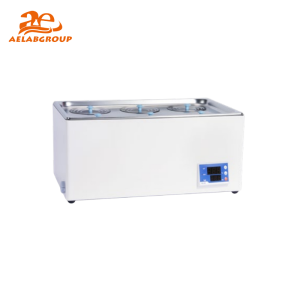
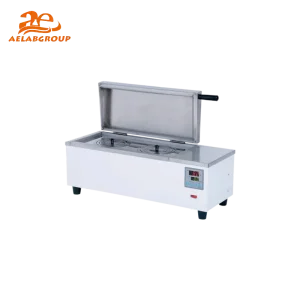
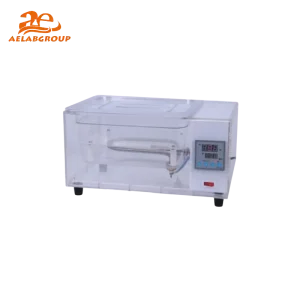
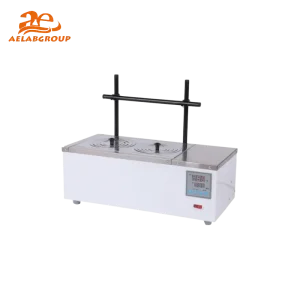
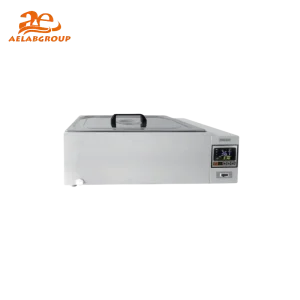
A Water Bath Machine is an essential laboratory device used to maintain stable and controlled temperatures for heating and incubating samples. It consists of a water-filled chamber heated by an integrated element, allowing for precise and uniform temperature distribution. Commonly used across biology, chemistry, and clinical laboratories, the water bath ensures consistent conditions for various experimental and analytical applications.
| Parameter | Specification |
|---|---|
| Temperature Range | Ambient +5°C to 100°C |
| Temperature Accuracy | ±0.5°C (digital models) |
| Tank Material | Stainless steel with corrosion resistance |
| Capacity | 1 to 25 liters (depending on model) |
| Heating Element | Immersion heater with thermal fuse |
| Control Interface | Analog dial or digital PID controller |
| Safety Features | Overheat protection, low water alarm, automatic cutoff |
Q: What is a water bath used for in the laboratory?
A: A water bath is used for heating samples gently and uniformly during incubation, chemical reactions, or reagent warming.
Q: Can a water bath heat above 100°C?
A: Standard water baths are limited to around 100°C, but oil baths or sand baths can be used for higher temperature applications.
Q: How do I prevent contamination in my water bath?
A: Regular cleaning, using distilled water, and keeping the lid closed can help prevent microbial growth and contamination.
Q: What materials are best for a laboratory water bath?
A: Stainless steel interiors are preferred for their durability, corrosion resistance, and ease of cleaning.
Looking for specific lab equipment? Fill out the form below, and our team will get back to you with detailed information and a personalized quote.