AELAB | Themostat Equipment | Ice Maker/Freezer
Ice Makers and Freezers are essential refrigeration tools for laboratories, medical facilities, and commercial environments where temperature stability is vital. While ice makers provide a continuous supply of clean, ready-to-use ice, freezers ensure reliable long-term storage for temperature-sensitive samples, reagents, and products. Together, they form the backbone of efficient cold-chain management and scientific preservation.
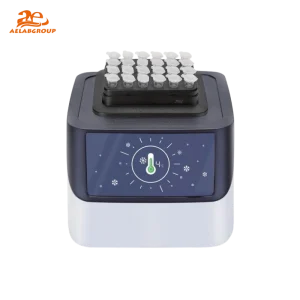
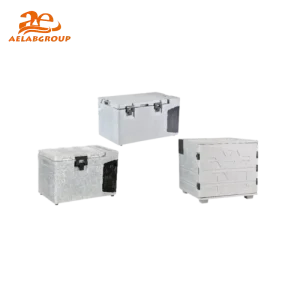
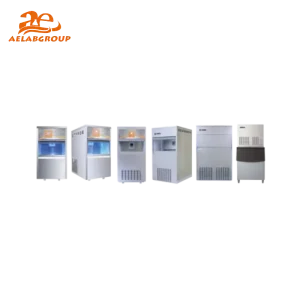
An Ice Maker is a machine that automatically freezes water to form ice cubes, flakes, or nuggets. These units are indispensable in laboratories, hospitals, and hospitality settings where a hygienic and consistent ice supply is required for cooling, preservation, and service applications.
Common Applications: Cooling reagents in labs, preserving samples in medical facilities, and beverage service in commercial kitchens.
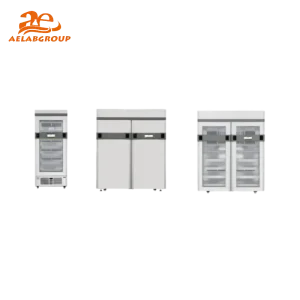
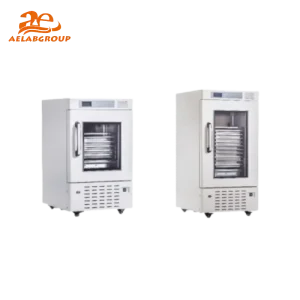
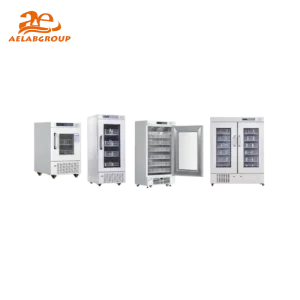
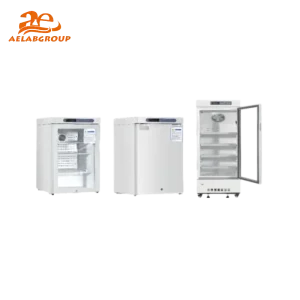
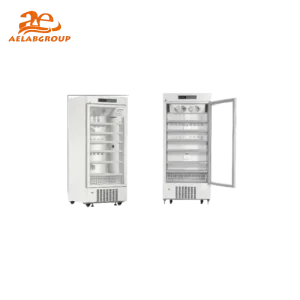
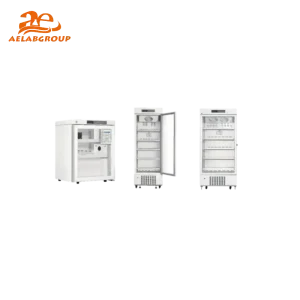
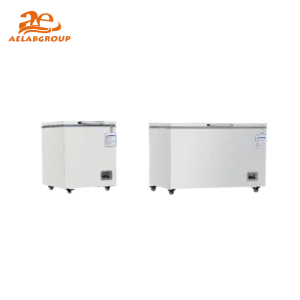
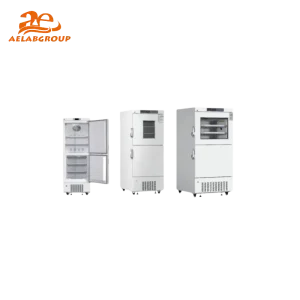
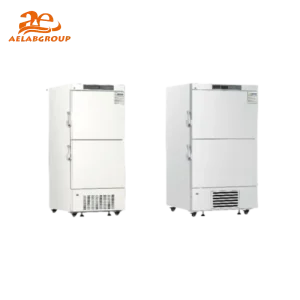
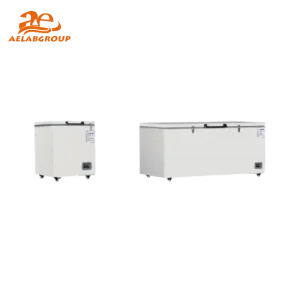
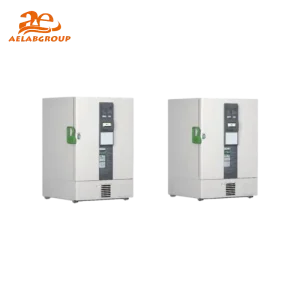
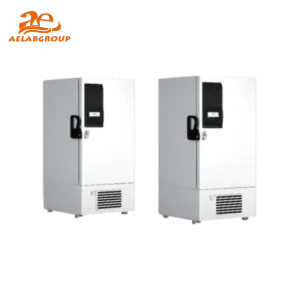
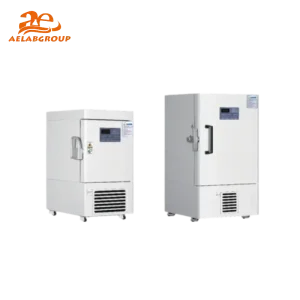
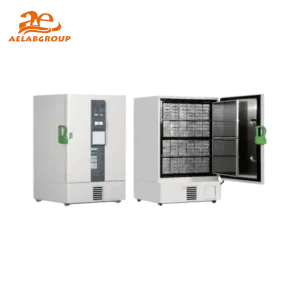
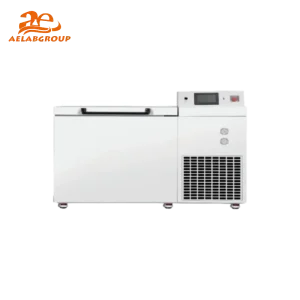
A Freezer is a refrigeration unit designed to store materials at subzero temperatures, typically from -20°C to -86°C. It ensures long-term preservation of biological samples, chemicals, and food items by preventing degradation and microbial growth.
Common Applications: Storage of biological samples, vaccines, reagents, and frozen foods in scientific, pharmaceutical, and food service industries.
| Feature | Ice Maker | Freezer |
|---|---|---|
| Temperature Range | 0°C to -5°C | -20°C to -86°C |
| Primary Function | Ice production | Long-term freezing and preservation |
| Configuration | Built-in ice bin | Upright or chest freezer with shelves/baskets |
| Material | Stainless steel exterior, ABS liner | Insulated steel body with inner liner |
| Control System | Digital or mechanical thermostat | Digital controller with alarms and monitoring |
| Maintenance | Requires regular cleaning for hygiene | Periodic defrosting and temperature validation |
| Aspect | Ice Maker | Freezer |
|---|---|---|
| Primary Function | Produces ice for cooling | Stores materials at freezing temperatures |
| Temperature Range | 0°C to -5°C | -20°C to -86°C |
| Storage Type | Ice bin | Shelves or baskets |
| Use Case | Short-term cooling | Long-term preservation |
| Maintenance | Frequent cleaning required | Regular defrost and temperature monitoring |
| Applications | Lab cooling, beverage service | Sample and reagent storage |
Q: What is the main difference between an ice maker and a freezer?
A: An ice maker produces ice for immediate use, while a freezer maintains subzero temperatures for long-term storage of samples or materials.
Q: How often should I clean my ice maker?
A: Clean the ice maker every 1–2 weeks to prevent mineral buildup and microbial contamination.
Q: What temperature should a laboratory freezer maintain?
A: Most lab freezers operate at -20°C, while ultra-low freezers reach -80°C for long-term biological sample preservation.
Q: Can an ice maker replace a freezer?
A: No. Ice makers are designed for short-term ice production, not for freezing or storing samples and reagents long-term.
Looking for specific lab equipment? Fill out the form below, and our team will get back to you with detailed information and a personalized quote.