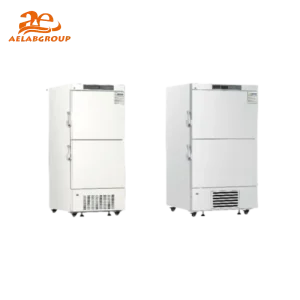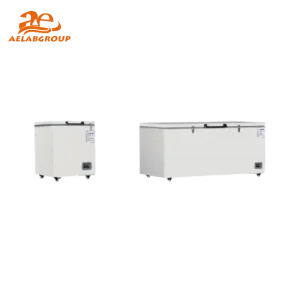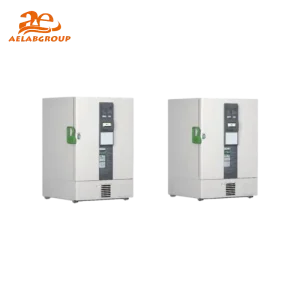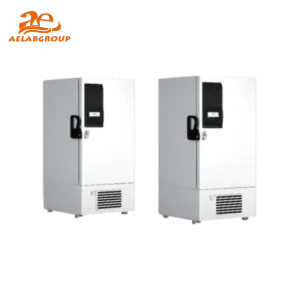
AELAB | Themostat Equipment | Ice Maker/Freezer | Freezer
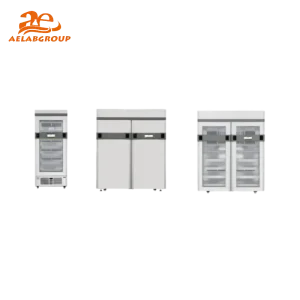
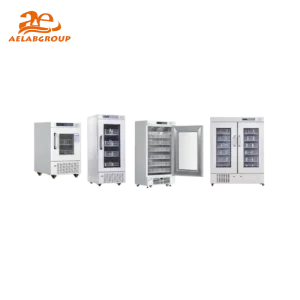
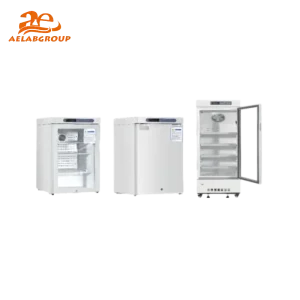
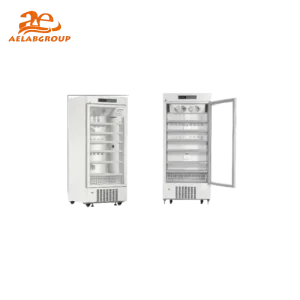
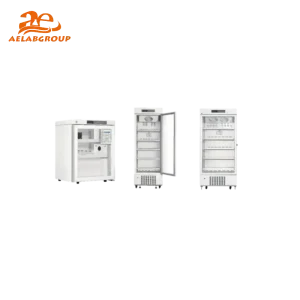
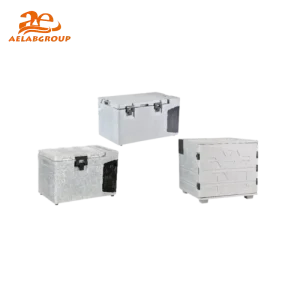
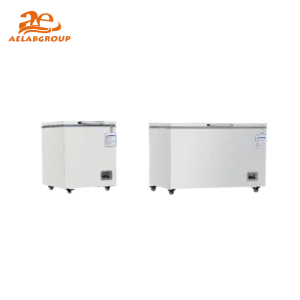
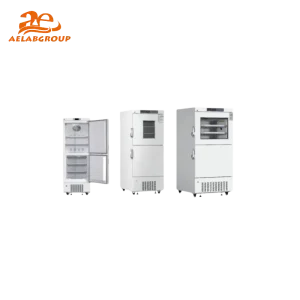
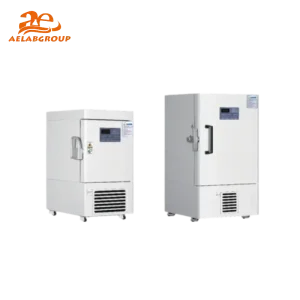
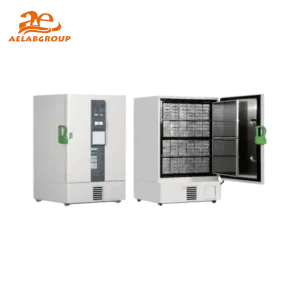
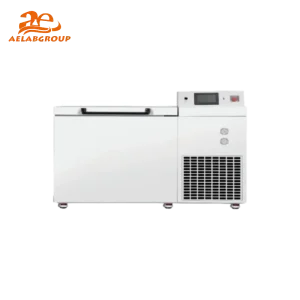
A Laboratory Freezer is a specialized storage device designed to maintain extremely low temperatures to preserve and stabilize sensitive materials over long periods. These freezers are critical in research, biotechnology, and pharmaceutical laboratories for safeguarding biological samples, reagents, vaccines, and enzymes. Built with advanced temperature control systems, laboratory freezers ensure sample integrity and reliability through precise cooling and constant monitoring.
| Parameter | Specification |
|---|---|
| Temperature Range | -20°C to -86°C |
| Temperature Accuracy | ±1°C (varies by model) |
| Controller Type | Microprocessor or digital PID controller |
| Display | LED or LCD digital display |
| Cooling System | CFC-free, direct or cascade compressor system |
| Defrosting | Manual or automatic |
| Capacity | 100L to 800L (model dependent) |
| Alarm System | Temperature deviation, door ajar, and power failure alerts |
Q: What is a laboratory freezer used for?
A: A laboratory freezer is used to store biological samples, reagents, and temperature-sensitive materials under low or ultra-low temperatures to preserve their integrity for research or clinical use.
Q: What’s the difference between a standard freezer and an ultra-low freezer?
A: Standard lab freezers operate around -20°C, while ultra-low freezers can reach -80°C, ideal for long-term preservation of sensitive biological materials.
Q: How often should I defrost my laboratory freezer?
A: Defrosting frequency depends on the model and usage; generally, manual-defrost freezers should be defrosted every 3–6 months or when frost buildup exceeds 5 mm.
Q: Why are alarm systems important in lab freezers?
A: Alarm systems immediately alert users to temperature deviations or power failures, helping prevent sample loss and maintaining compliance with laboratory safety standards.
Looking for specific lab equipment? Fill out the form below, and our team will get back to you with detailed information and a personalized quote.