AELAB | Themostat Equipment | Illumination/Climate Incubator
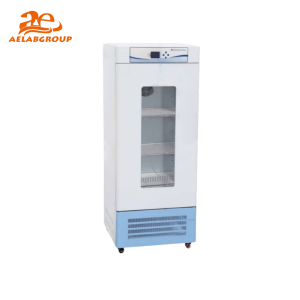
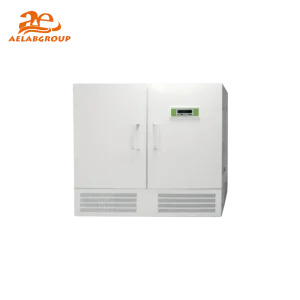
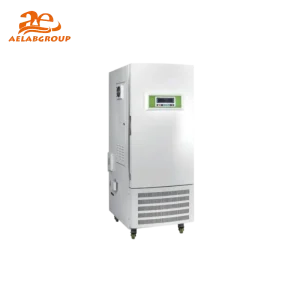
An Illumination/Climate Incubator is a precision-controlled growth chamber that combines temperature, humidity, and lighting regulation to simulate natural environmental conditions. These incubators are vital tools in biotechnology, agriculture, pharmaceuticals, and environmental research, where consistent and reproducible conditions are essential for reliable results. Whether used for plant growth, microbial culture, or stability testing, they ensure optimal performance and experimental accuracy.
An Illumination/Climate Incubator is a specialized laboratory device that replicates natural environmental factors—temperature, humidity, and light intensity—within a controlled chamber. It provides researchers with the ability to reproduce various climate conditions for studying growth, stability, and biological responses under precisely defined parameters.
| Feature | Details |
|---|---|
| Temperature Range | 0°C to 60°C (±0.5°C accuracy) |
| Humidity Range | 40%–95% RH (programmable) |
| Lighting System | Full-spectrum LED or fluorescent lighting |
| Lighting Intensity | Up to 15,000 Lux with adjustable cycles |
| Controller | Digital PID or microprocessor-based with touchscreen |
| Data Logging | USB or Ethernet for remote monitoring |
| Safety Features | Over-temperature and humidity alarms, power recovery |
| Aspect | Illumination/Climate Incubator | Standard Incubator |
|---|---|---|
| Light Simulation | Yes, with adjustable intensity | No lighting control |
| Humidity Regulation | Active control (40%–95% RH) | Limited or none |
| Temperature Uniformity | High, multi-sensor monitoring | Moderate |
| Application Range | Plants, microbes, drugs, insects | Mainly microbial growth |
| Programming Options | Advanced multi-parameter control | Basic or manual |
| Cost | Higher (due to multifunctionality) | Moderate |
Q: Can I use an illumination/climate incubator for general microbiology?
A: Yes, it can be used for microbial cultures, though it may exceed basic requirements if lighting and humidity control aren’t essential for your experiments.
Q: What lighting type is best for plant research?
A: Full-spectrum LED lighting is recommended for simulating natural sunlight while minimizing energy consumption and heat output.
Q: How can I ensure consistent temperature and humidity?
A: Regularly calibrate sensors, avoid overloading shelves, and maintain airflow around samples to preserve uniform conditions.
Q: What maintenance is required for long-term performance?
A: Follow the manufacturer’s maintenance schedule, including sensor calibration, chamber cleaning, and inspection of seals, lighting, and humidity systems.
Looking for specific lab equipment? Fill out the form below, and our team will get back to you with detailed information and a personalized quote.