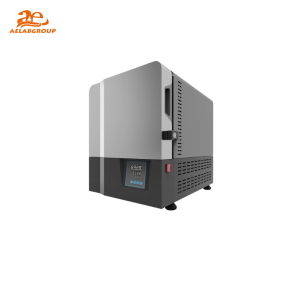
AELAB | Themostat Equipment | Muffle Furnace
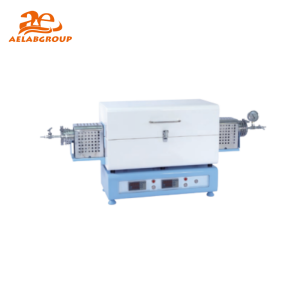
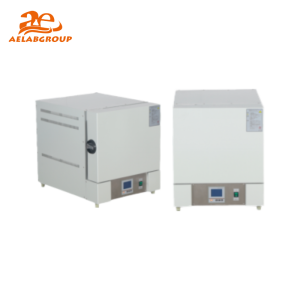
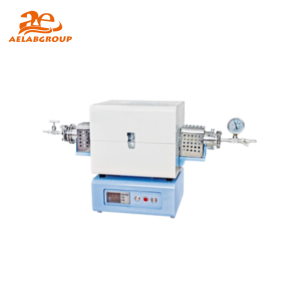
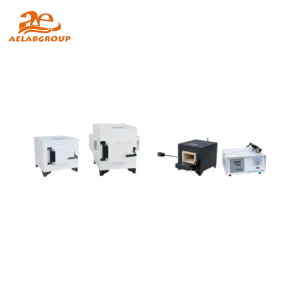
A Muffle Furnace is an essential high-temperature device designed for precise and contamination-free heating in laboratory and industrial settings. Known for its uniform heat distribution and clean chamber environment, it’s ideal for ashing, sintering, heat treatment, and material testing applications where accuracy is critical.
A muffle furnace is a type of high-temperature electric oven that provides a controlled atmosphere for thermal processes. It isolates samples from direct flame or combustion gases using a refractory or ceramic-lined chamber. The heating elements surround this chamber, ensuring even heat distribution and contamination-free results for analytical and industrial testing.
| Feature | Details |
|---|---|
| Temperature Range | 300°C to 1800°C (typical range) |
| Chamber Capacity | 1 L to 30 L depending on model |
| Heating Rate | 5°C to 30°C per minute |
| Temperature Uniformity | ±1°C to ±5°C across the chamber |
| Construction Material | Refractory brick or ceramic fiber insulation |
| Heating Elements | Kanthal, silicon carbide, or molybdenum disilicide elements |
| Controller | Digital PID temperature controller with programmable settings |
| Safety Features | Over-temperature cutoff, thermal insulation, and door interlocks |
| Aspect | Muffle Furnace | Conventional Furnace |
|---|---|---|
| Heat Source | Electric heating elements | Gas or electric |
| Temperature Range | Up to 1800°C | Usually <1200°C |
| Contamination Risk | Very low (isolated chamber) | Moderate to high (direct flame contact) |
| Precision | High (digital PID control) | Lower (manual/analog) |
| Size & Portability | Compact, benchtop models available | Large, fixed installations |
Q: What is the main purpose of a muffle furnace?
A: It is used for high-temperature heat treatments such as ashing, sintering, and material testing in a clean, flame-free environment.
Q: What temperature can a muffle furnace reach?
A: Depending on the model, muffle furnaces can reach temperatures up to 1800°C, suitable for a wide range of scientific and industrial applications.
Q: How does a muffle furnace differ from a conventional furnace?
A: A muffle furnace isolates samples from combustion gases, offering higher precision and lower contamination compared to conventional furnaces.
Q: What safety measures should be followed?
A: Always wear heat-resistant gloves, avoid overloading, and ensure proper ventilation. Allow the furnace to cool fully before opening.
Q: How often should the furnace be calibrated?
A: Calibration should be performed every 6–12 months or after heavy usage to maintain temperature accuracy and process reliability.
Looking for specific lab equipment? Fill out the form below, and our team will get back to you with detailed information and a personalized quote.