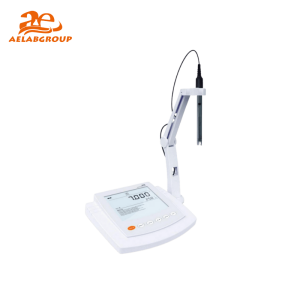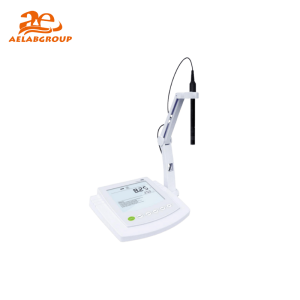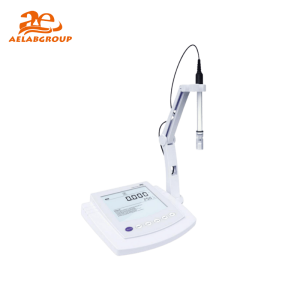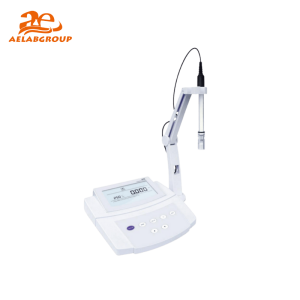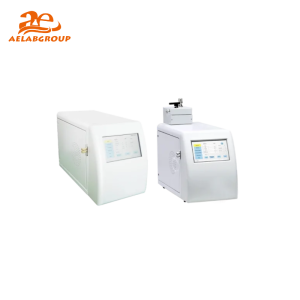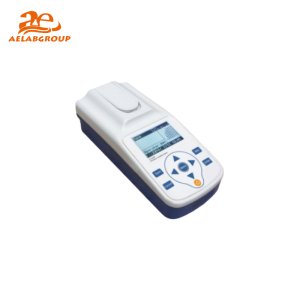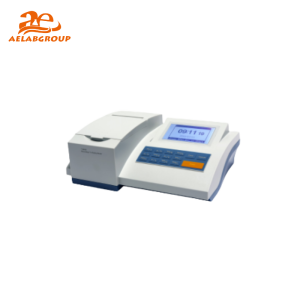
AELAB | Water Testing Equipment
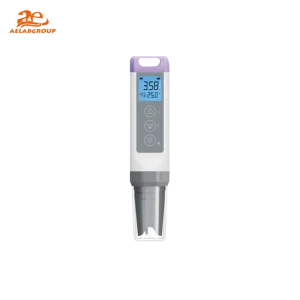
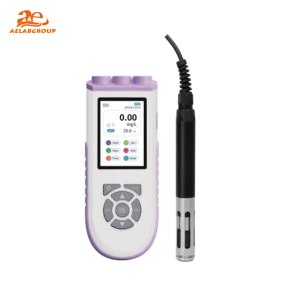
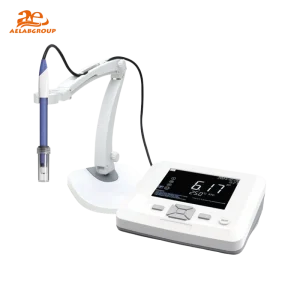
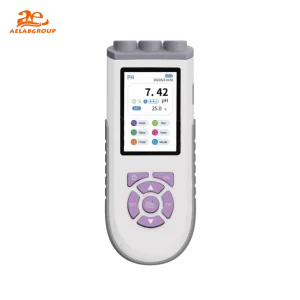
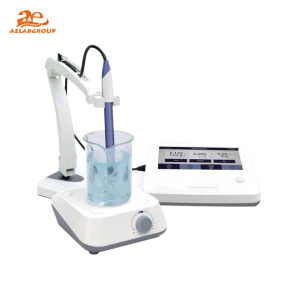
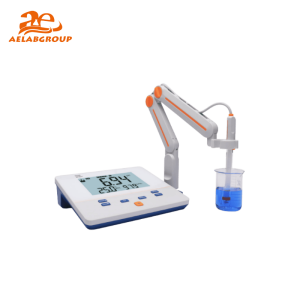
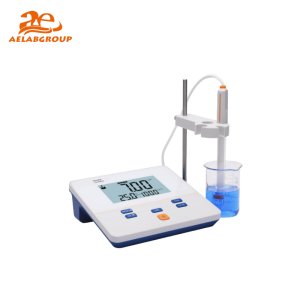
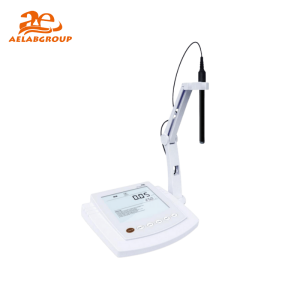
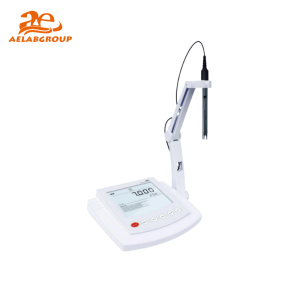
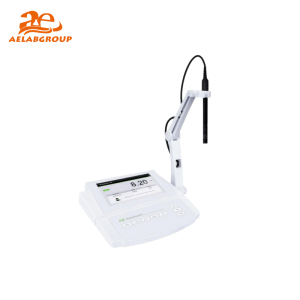
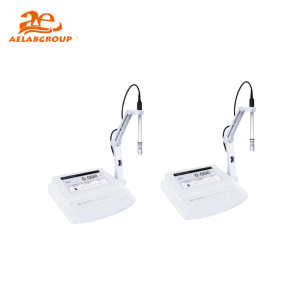
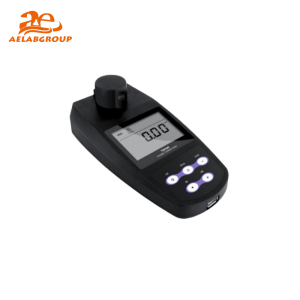
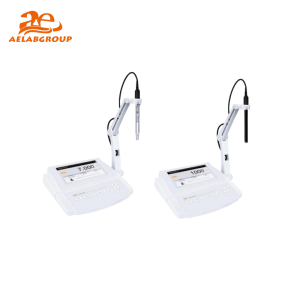
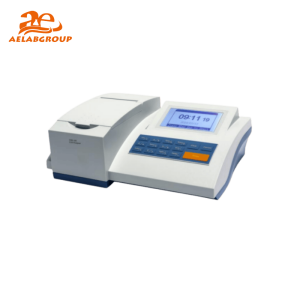
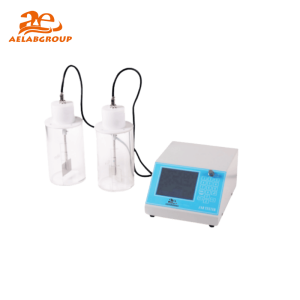
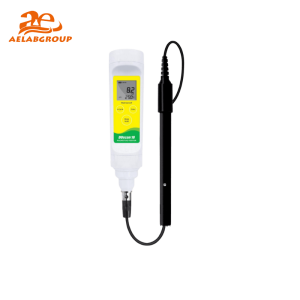
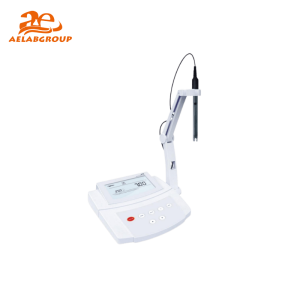
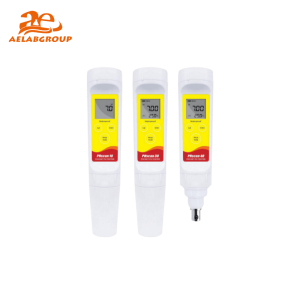
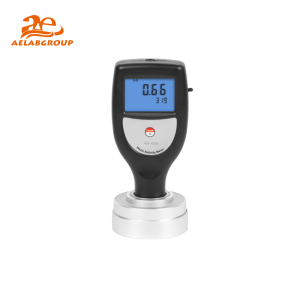
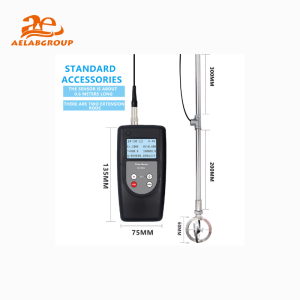
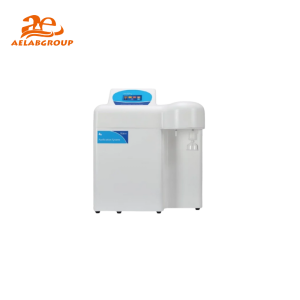
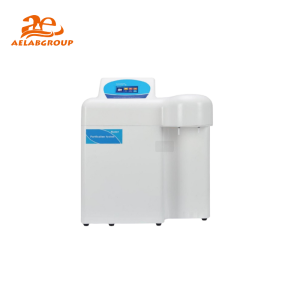
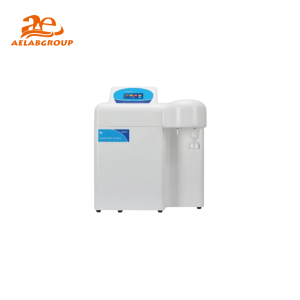
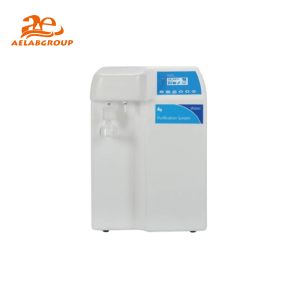
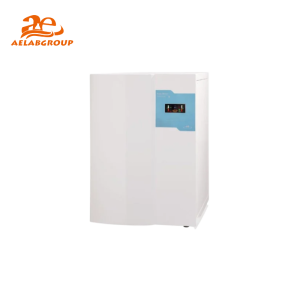
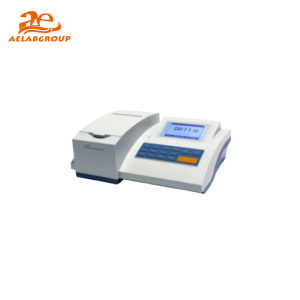
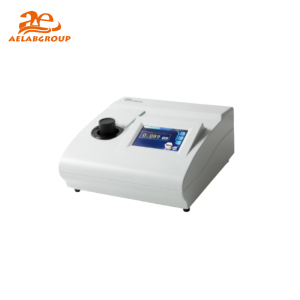
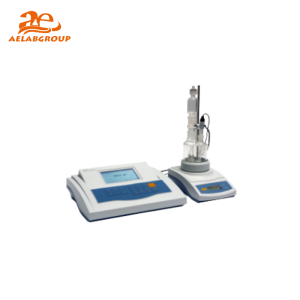
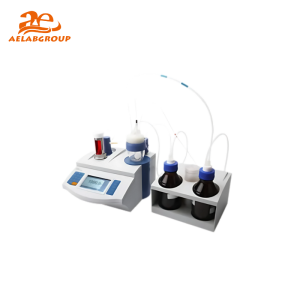
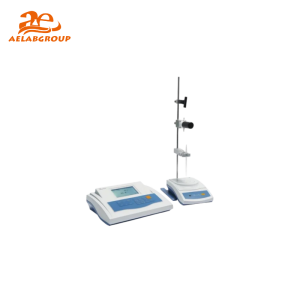
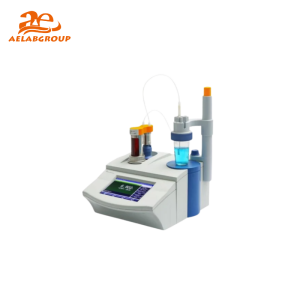
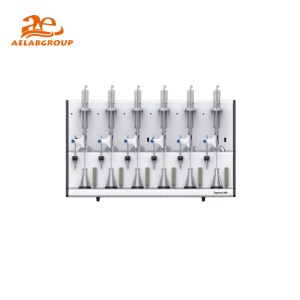
Water testing equipment is essential for ensuring clean, safe, and compliant water across residential, industrial, and environmental settings. These instruments allow users to detect contaminants, assess chemical and physical properties, and maintain high water quality standards. From laboratories to municipal systems, reliable water testing tools provide accurate insights for public health and process efficiency.
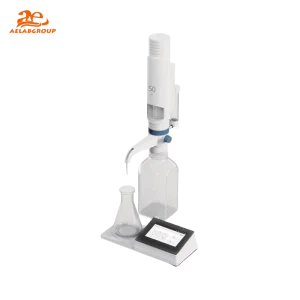
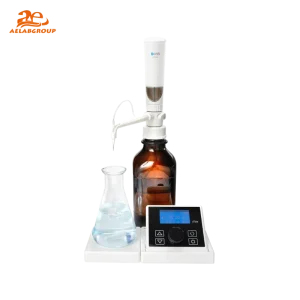
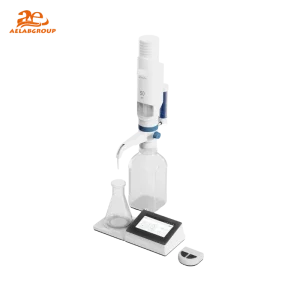
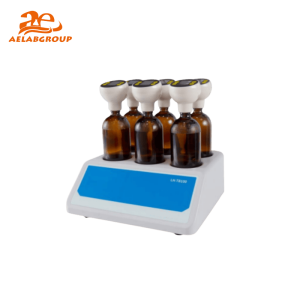
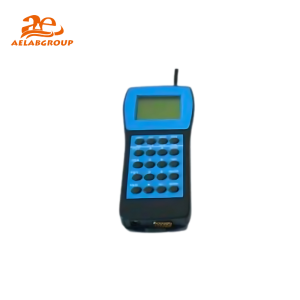
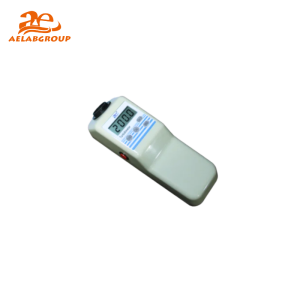
Water testing equipment encompasses a variety of devices used to analyze chemical, physical, and microbiological characteristics of water. Their main purpose is to determine purity, safety, and suitability for drinking, agriculture, manufacturing, and environmental monitoring. From digital meters to microbiological test kits, each instrument helps maintain water integrity and regulatory compliance.
| Feature | Details |
|---|---|
| Measurement Parameters | pH, TDS, conductivity, turbidity, dissolved oxygen, chlorine, nitrates, and more |
| Accuracy | High sensitivity with ±0.01 pH or equivalent precision |
| Testing Range | Wide dynamic range suitable for fresh, industrial, or saline water |
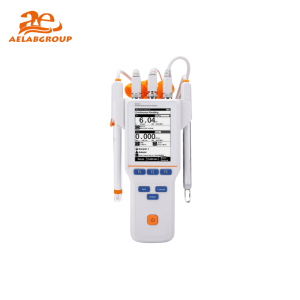
| Portability | Handheld or benchtop designs for field and lab use |
| Display & Interface | Digital LCD or touchscreen with auto calibration |
| Data Logging | Internal memory or cloud connectivity for result tracking |
| Durability | Waterproof, dustproof, and shock-resistant housing for field use |
| Aspect | Water Testing Equipment | Test Strips |
|---|---|---|
| Accuracy | Highly accurate and quantitative | Approximate and color-based |
| Parameters | Multiple chemical, physical, and biological parameters | Limited to basic indicators (pH, chlorine) |
| Usage | Professional and laboratory-grade | Household and quick checks |
| Cost | Higher initial investment | Low cost and disposable |
| Data Logging | Available in digital models | Not available |
Q: What parameters can water testing equipment measure?
A: Common parameters include pH, conductivity, dissolved oxygen, turbidity, TDS, chlorine, and microbial contamination.
Q: What’s the difference between lab and on-site water testing?
A: Lab testing offers higher precision and can detect trace contaminants, while on-site testing provides quick, cost-effective results for routine monitoring.
Q: How often should water be tested?
A: Testing frequency depends on application—drinking water should be checked quarterly, while industrial or environmental systems may require more frequent monitoring.
Q: Do digital meters require calibration?
A: Yes. Regular calibration ensures accurate readings and extends the lifespan of sensors and probes.
Looking for specific lab equipment? Fill out the form below, and our team will get back to you with detailed information and a personalized quote.