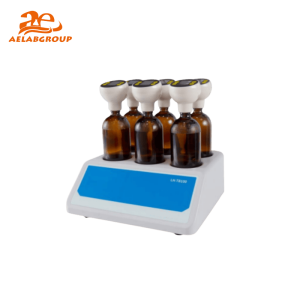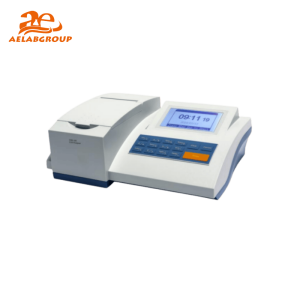
AELAB | Water Testing Equipment | BOD/COD Analyzer
BOD/COD analyzers are essential tools for wastewater and environmental monitoring. They measure the oxygen demand of organic matter in water, helping industries and municipalities maintain compliance with environmental regulations and protect ecosystems from pollution. These analyzers provide accurate, automated analysis critical for quality control and sustainability efforts.
A BOD/COD Analyzer is an instrument designed to measure Biochemical Oxygen Demand (BOD) and Chemical Oxygen Demand (COD)—two key indicators of organic pollution in water. BOD measures the oxygen microorganisms need to decompose organic matter biologically, while COD quantifies the oxygen required for chemical oxidation of organic and inorganic matter. These analyzers are widely used in wastewater treatment plants, environmental agencies, industrial facilities, and research laboratories to ensure water quality and regulatory compliance.
| Feature | Details |
|---|---|
| Measurement Range | BOD: 0–400 mg/L (extendable); COD: 0–10,000 mg/L |
| Accuracy | ±5% typical precision under standard conditions |
| Automation Level | Automatic digestion, dilution, and measurement cycles |
| Sample Capacity | Multi-sample carousel or parallel digestion block |
| Data Connectivity | USB, RS232, Ethernet; compatible with LIMS software |
| Compliance | EPA, ISO, CE standards; GLP/GMP traceability |
| Interface | Touchscreen display with intuitive menus |
| Reagent Handling | Closed digestion and automatic reagent dosing options |
| Aspect | BOD (Biochemical Oxygen Demand) | COD (Chemical Oxygen Demand) |
|---|---|---|
| Measurement Principle | Biological decomposition by microorganisms | Chemical oxidation using strong oxidants |
| Time Required | ~5 days (BOD₅ method) | 2–3 hours |
| Reagents Used | None (biological incubation) | Potassium dichromate, sulfuric acid, catalyst |
| Indicates | Biodegradable organic content | Total organic load (biodegradable + non) |
| Applications | Long-term environmental monitoring | Rapid industrial and regulatory testing |
Q: What is the main difference between BOD and COD?
A: BOD measures oxygen consumption by biological decomposition, while COD measures oxygen required for chemical oxidation of organic matter—offering faster, broader results.
Q: Why are both BOD and COD important?
A: BOD helps understand biodegradability and long-term impact, whereas COD gives rapid insights into total organic load for immediate process control.
Q: Are COD reagents hazardous?
A: Yes, dichromate-based reagents are toxic and corrosive; analyzers with closed digestion and fume extraction improve operator safety.
Q: How often should the analyzer be maintained?
A: Preventive maintenance every few months ensures accuracy—especially cleaning digestion units and recalibrating optical sensors.
Q: What are future trends in BOD/COD analysis?
A: Emerging systems feature AI-driven data handling, portable analyzers, and green chemistry methods to reduce reagent hazards and analysis time.
Looking for specific lab equipment? Fill out the form below, and our team will get back to you with detailed information and a personalized quote.