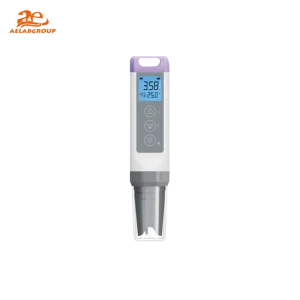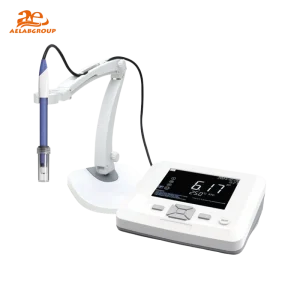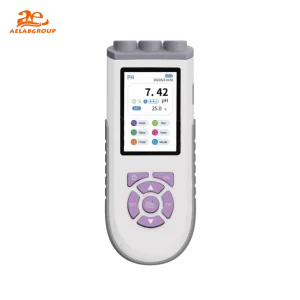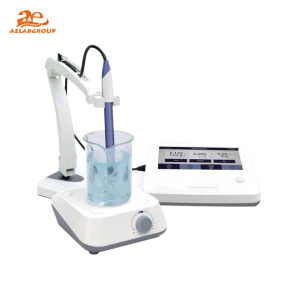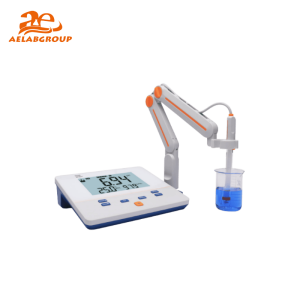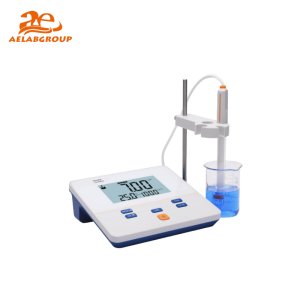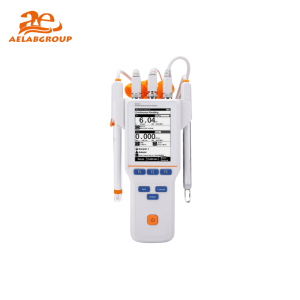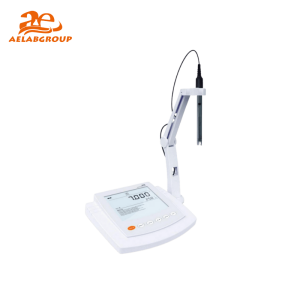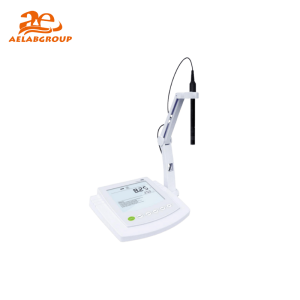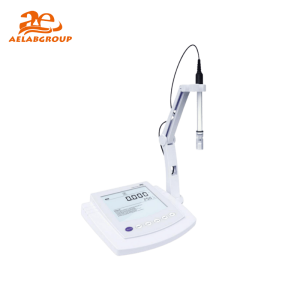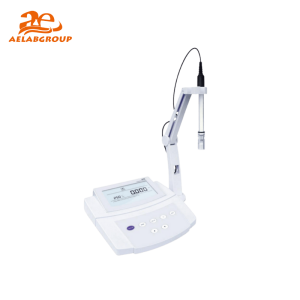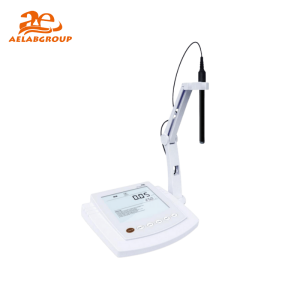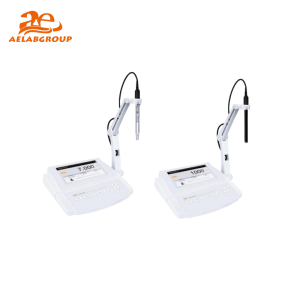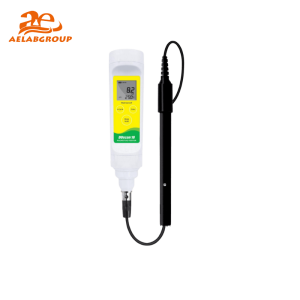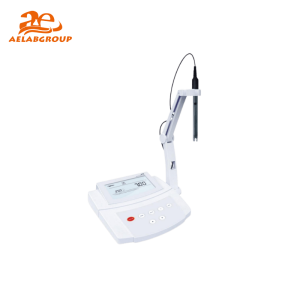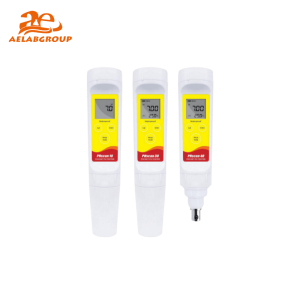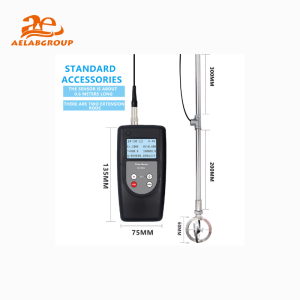
AELAB | Water Testing Equipment | PH/DDS/TDS/DO/Multi Parameter
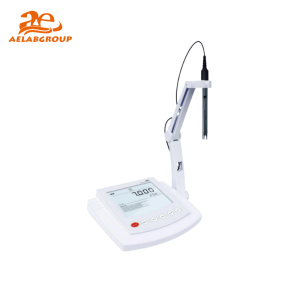
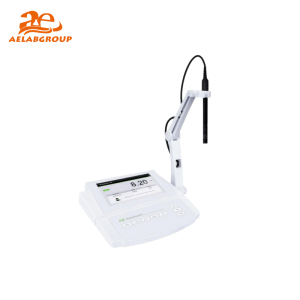
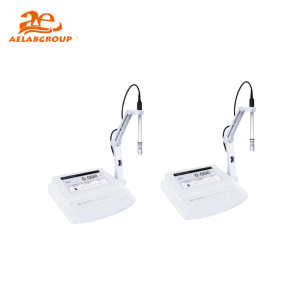
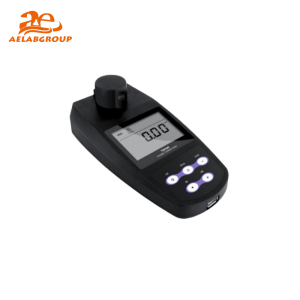
Monitoring water quality parameters such as pH, TDS, DO, and DDS is vital for maintaining public health, environmental balance, and operational efficiency. A Multi-Parameter Meter enables simultaneous measurement of these indicators, offering a real-time, accurate assessment of water condition in applications like wastewater management, aquaculture, and municipal water testing.
A Multi-Parameter Meter is a laboratory or field instrument designed to measure multiple water quality parameters—typically pH, TDS (Total Dissolved Solids), DO (Dissolved Oxygen), conductivity, and temperature—simultaneously. These devices streamline testing, improve accuracy, and are used by environmental consultants, lab technicians, and water treatment professionals for comprehensive water analysis.
| Feature | Details |
|---|---|
| Measured Parameters | pH, TDS, DO, DDS, conductivity, and temperature |
| Sensor Types | Glass pH electrode, conductivity cell, optical DO probe, thermistor |
| Measurement Range | pH: 0–14 | DO: 0–20 mg/L | TDS: 0–10,000 mg/L |
| Accuracy | ±0.01 pH, ±1% of reading (DO/TDS) |
| Calibration | Automatic or manual multi-point calibration with reminders |
| Display | Backlit LCD or digital touchscreen showing multiple readings |
| Data Logging | Internal memory, USB/Bluetooth export, SD card support |
| Build | Waterproof IP67-rated housing with ergonomic design |
| Aspect | Multi-Parameter Meter | Single-Function Device |
|---|---|---|
| Ease of Use | High – all-in-one measurements | Medium – one parameter per test |
| Cost Efficiency | Lower long-term cost | Higher cumulative cost |
| Accuracy | High (if calibrated properly) | High for specific measurements |
| Ideal Use | Fieldwork, research, environmental testing | Basic lab or single-purpose use |
| Data Management | Bluetooth/USB sync, onboard memory | Manual data recording |
Q: What is a multi-parameter water quality meter?
A: It’s an instrument that measures multiple water quality parameters—like pH, DO, TDS, and temperature—at once, improving testing efficiency and accuracy.
Q: How is TDS measured?
A: TDS is estimated by measuring electrical conductivity and converting the result into mg/L or ppm using a conversion factor.
Q: Why is dissolved oxygen important?
A: DO indicates the amount of oxygen available for aquatic life; low levels can signal pollution or biological stress in aquatic systems.
Q: What calibration is required for a multi-parameter meter?
A: pH should be calibrated at least at two points; DO and conductivity probes require periodic maintenance and calibration based on usage.
Looking for specific lab equipment? Fill out the form below, and our team will get back to you with detailed information and a personalized quote.