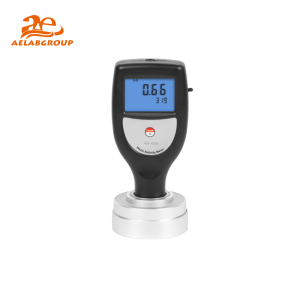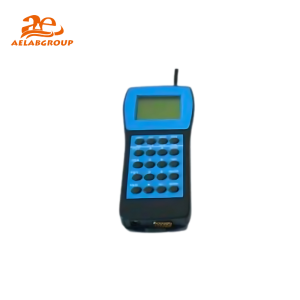
AELAB | Water Testing Equipment | Water Activity Analyzer
A Water Activity Analyzer measures the free (available) water in products to predict shelf life, microbial stability, and quality. From food and pharmaceuticals to cosmetics and packaging, precise aw testing underpins product safety, compliance, and performance.
A Water Activity Analyzer quantifies water activity (aw, 0–1 scale), which reflects the portion of water available for microbial growth, chemical reactions, and physical changes—distinct from moisture content (total water %). By measuring equilibrium relative humidity (ERH) in a sealed chamber and converting ERH/100 to aw, these instruments guide shelf-life prediction, formulation, HACCP programs, and stability testing in regulated workflows.
| Feature | Details |
|---|---|
| Measurement Range (aw) | ~0.030 to 1.000 aw |
| Accuracy | ±0.003 aw or better (sensor/model-dependent) |
| Sample Size | Typically 0.5–15 g |
| Temperature Control | 15–50 °C chamber control for repeatability |
| Response Time | ~5–15 minutes per sample (to equilibrium) |
| Calibration | Single- or multi-point with certified salt standards |
| Sensor Types | Chilled mirror (dew point), capacitance, resistive electrolytic |
| Data & Connectivity | Onboard storage; USB/Ethernet options; LIMS-ready in advanced models |
| Aspect | Water Activity Analyzer | Moisture Analyzer |
|---|---|---|
| Measurement Focus | Available water (aw, ERH-based) | Total water content (%) via mass loss |
| Primary Use | Shelf life, microbial risk, product stability | Drying control, material specifications |
| Accuracy in Microbial Risk | High (predictive of growth potential) | Low (indirect) |
| Temperature Sensitivity | Critical—requires controlled measurement | Less critical; drying temp is procedural |
| Typical Industries | Food, pharma, cosmetics, packaging | Agriculture, materials, general QA |
Q: What is water activity and how is it different from moisture content?
A: Water activity (aw) measures available water on a 0–1 scale based on ERH, while moisture content measures total water as a percentage. aw better predicts microbial growth and shelf life.
Q: How long does an aw test take?
A: Most samples equilibrate in about 5–15 minutes depending on temperature control, matrix, and sensor type.
Q: Do I need temperature control?
A: Yes for high-precision or regulatory work—aw is temperature-dependent, and controlled chambers improve repeatability and comparability across batches.
Q: How often should I calibrate?
A: Calibrate at the start of each testing session or per SOP, using at least two certified standards that bracket the expected aw range.
Looking for specific lab equipment? Fill out the form below, and our team will get back to you with detailed information and a personalized quote.